
Harvest
Expenses
Sign up

Mileage Log for Taxes

Harvest helps you track mileage expenses accurately, setting and updating mileage rates to ensure IRS compliance and maximize tax deductions.

EXPENSE REPORT DRAFT

Drop your receipts here or click to upload

Images and PDFs (max 10 MB each)

Date
Category
Merchant
Description
Amount
Total
$0.00

Customise report

Appearance

Show report title

Report settings

Understanding IRS Mileage Log Requirements

The IRS requires detailed records for any business-related vehicle use to qualify for tax deductions. A compliant mileage log should include the trip's date, starting location, destination, business purpose, and total miles driven. Additionally, annual odometer readings at the start and end of the tax year are necessary. Failure to maintain these records can result in disallowed deductions and penalties during audits.

To meet these requirements, it's important to document mileage contemporaneously—that is, at or near the time of the trip. Logs that are estimated or completed after-the-fact are often disallowed. This meticulous approach ensures compliance and maximizes your tax deductions.
The Cost of Inaccurate Mileage Logs

Inaccurate mileage logs can lead to significant financial consequences. Businesses and individuals often face a 15-20% underreporting of legitimate business miles when relying on manual tracking, potentially costing thousands in lost deductions annually. Conversely, inflated claims due to errors or fraud can result in penalties, with U.S. businesses losing over $2.8 billion annually to incorrect expense claims.

Automated solutions have shown to improve accuracy, with some businesses reporting an 80% increase in mileage accuracy and saving over 4,000 hours annually across 100 employees. Though Harvest requires manual mileage entry, it supports accurate record-keeping by allowing you to set and maintain historical mileage rates, crucial for IRS audits.

Maximizing Tax Deductions with Harvest

Harvest facilitates accurate mileage tracking for tax purposes by offering customizable mileage rates. Although it does not automate IRS-compliant documentation, Harvest allows administrators to set and update mileage rates, which are essential for calculating tax-deductible expenses. This feature helps ensure that your records align with the current IRS mileage rates and are ready for audits.

By maintaining precise mileage logs using Harvest, you can avoid the common pitfalls of generic purpose descriptions or incomplete trip records. While it requires manual entry, Harvest helps organize your mileage data efficiently, ensuring you stay compliant with tax regulations.

Steps to Maintain an Effective Mileage Log

Maintaining an effective mileage log is crucial for tax compliance and maximizing deductions. Here’s a step-by-step guide:

  1. Choose a System: Opt for a method that aligns with your travel frequency, like Harvest's manual tracking.
  2. Record Details Immediately: Document each trip's date, start and end locations, business purpose, and miles driven immediately after the trip.
  3. Document Odometer Readings: Keep annual readings at the start and end of the tax year.
  4. Separate Personal and Business Use: Ensure only business-related mileage is logged for deductions.
  5. Retain Records: Store logs securely for the required retention period, usually 3-7 years in the US.

Track Mileage with Harvest

Harvest helps you track mileage expenses accurately, ensuring IRS compliance with customizable mileage rates.

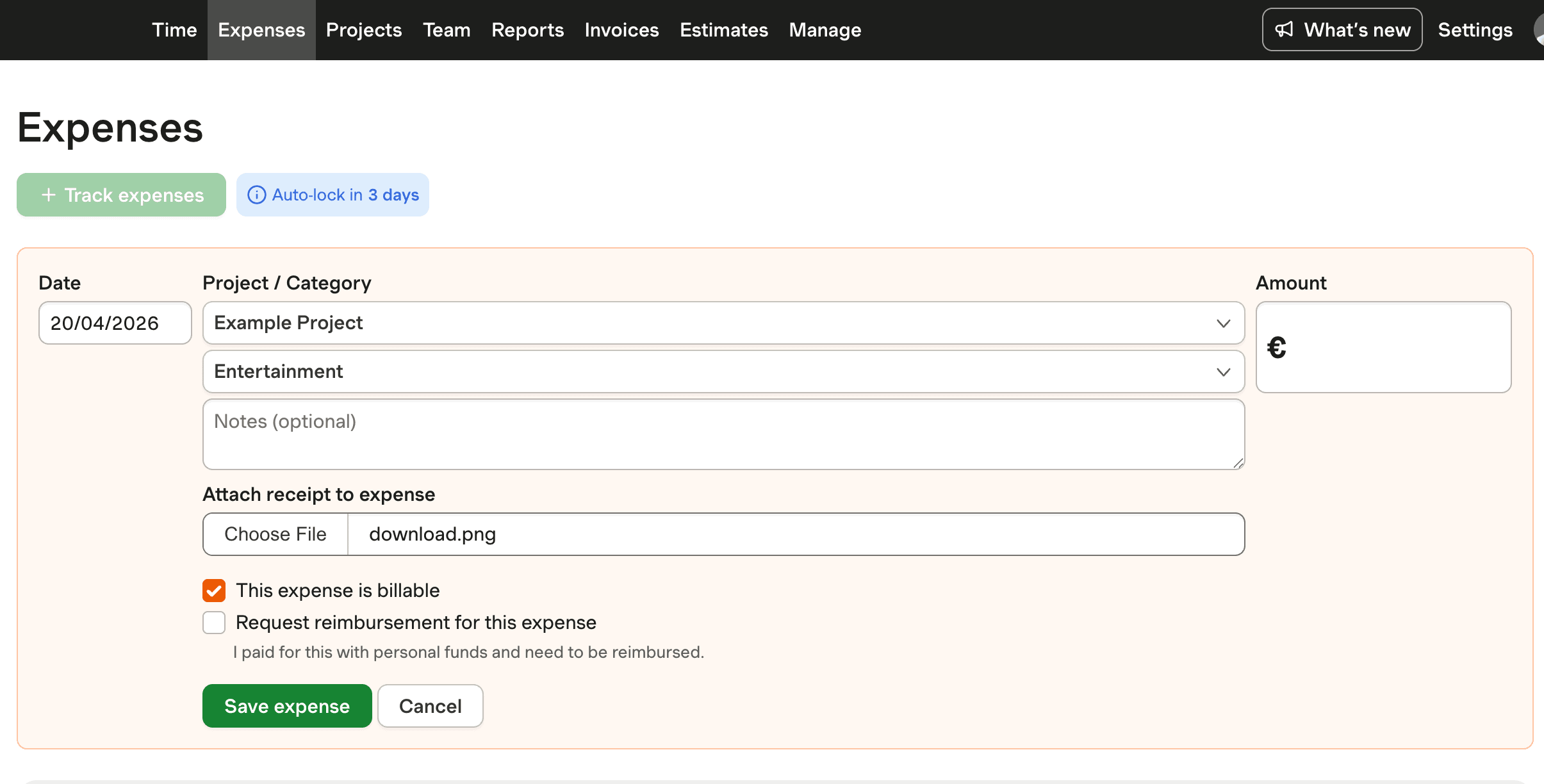
Harvest mileage log feature for tax compliance.

Mileage Log for Taxes FAQs

  • A mileage log should include the date of travel, starting location, destination, business purpose, and total miles driven. Annual odometer readings are also required by the IRS.

  • To avoid mistakes, ensure that you document mileage contemporaneously, use exact numbers instead of estimates, and clearly separate business and personal mileage. Avoid generic purpose descriptions.

  • The IRS requires detailed logs showing trip dates, locations, business purposes, and miles driven. Records should be kept for at least three years, with some advising up to seven years.

  • Harvest allows you to track mileage expenses by setting and updating mileage rates, which helps ensure IRS compliance. However, it requires manual entry for each trip.

  • Accurate mileage tracking is crucial to claim tax deductions and avoid penalties during audits. Underreporting or over-reporting can lead to significant financial losses.

  • Yes, the IRS accepts digital logs as long as they capture all required information. Harvest supports this by allowing you to track mileage manually in a digital format.

  • Automated solutions improve accuracy, reduce manual errors, and save time. However, Harvest requires manual entry but helps maintain accurate records through customizable mileage rates.