
Harvest
Expenses
Sign up

Home Expense Report

Harvest helps track business project expenses with tools like receipt uploads and mobile tracking, ideal for adapting to home expense management.

EXPENSE REPORT DRAFT

Drop your receipts here or click to upload

Images and PDFs (max 10 MB each)

Date
Category
Merchant
Description
Amount
Total
$0.00

Customise report

Appearance

Show report title

Report settings

Understanding Home Expense Reports

Creating a home expense report is essential for effectively managing household finances, especially with the rise of remote work. As of 2025, about 22% of the U.S. workforce, or 36.2 million people, are working remotely, making home expense management increasingly relevant. With remote work costs ranging from $50–$200 per month, having a structured approach to tracking these expenses is crucial.

A home expense report helps categorize and analyze spending, enabling better budgeting decisions. Common categories include utilities, internet, home office equipment, and subscriptions. Establishing clear policies on what constitutes necessary expenses can simplify the reporting process and ensure that spending aligns with personal financial goals.
Challenges in Home Expense Management

One major challenge in managing home expenses is the lack of clear policies, which often leads to confusion about what expenses are reimbursable. In many states, including California and Illinois, laws require reimbursement for necessary work-related expenses, such as internet costs for remote work. Without clear guidelines, managing these reimbursements can become complicated.

Another challenge is tracking and capturing receipts. Manual handling of receipts can lead to errors and lost documentation. Implementing mobile apps for instant photo capture and automatic data extraction can mitigate these issues by improving accuracy and efficiency. For businesses, automating approval workflows can further expedite reimbursements and reduce administrative burden.

The Role of Technology in Expense Management

Technology plays a pivotal role in streamlining home expense management. With 46% of companies reporting positive ROI within a year of switching to cloud-based expense systems, the benefits of automation are clear. These systems can automate approval workflows and sync expense categories with accounting systems for accurate tracking and analysis.

For individuals, using software that allows for easy tracking and categorization of expenses is essential. While Harvest excels in tracking business expenses by project and category, it also offers tools like receipt uploads and mobile tracking that can be adapted for home use. Understanding the limitations and capabilities of such tools is crucial for effective expense management.

Legal Considerations for Home Expense Reporting

Understanding legal requirements is critical when reporting home expenses. In the U.S., there is no federal law mandating reimbursement for remote work expenses, but state laws vary. For example, California requires employers to reimburse necessary work-related expenses, including home office costs.

In the UK, employees can no longer claim tax relief from HMRC for general remote work expenses from April 2026, but employers can provide tax-exempt reimbursements for additional household expenses. Similarly, in Canada, self-employed individuals can deduct a portion of home expenses if their home office is their principal place of business. Being aware of these regulations can help ensure compliance and maximize eligible deductions.

Manage Home Expenses with Harvest

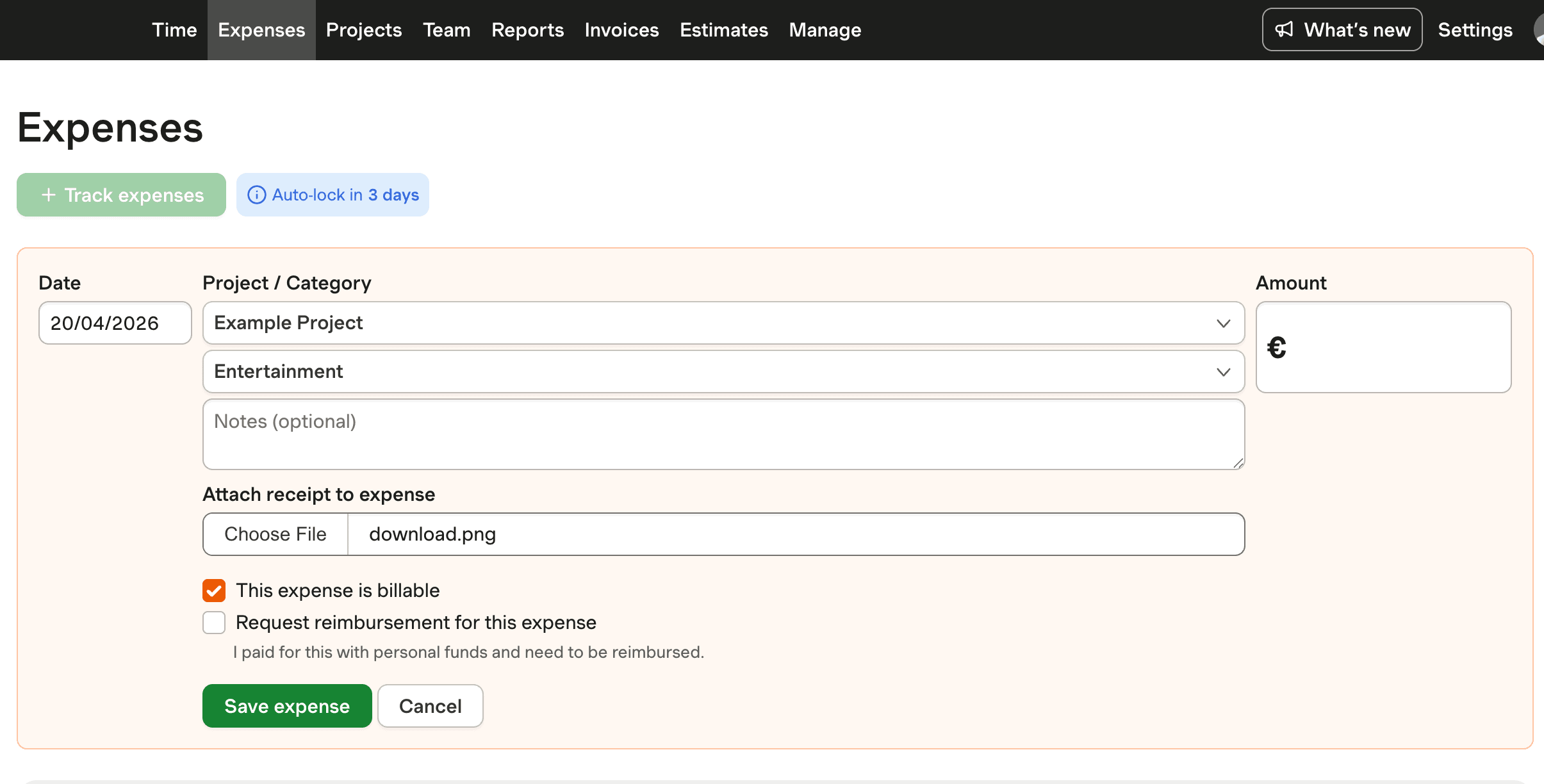
See how Harvest adapts business tracking tools for home expense management, offering receipt uploads and mobile tracking.

Harvest home expense report interface showing categorized expenses.

Home Expense Report FAQs

  • To categorize home expenses effectively, identify major spending areas such as utilities, internet, and home office supplies. Use categories aligned with your financial goals. While Harvest is tailored for business, its expense categorization can be adapted for home use.

  • A home expense report provides a clear overview of your spending, helping you identify areas for cost-saving and budget adjustments. This is increasingly important with remote work costs averaging $50–$200 per month.

  • Yes, there are numerous tools available to track home expenses. Harvest, while primarily for business use, offers features like receipt uploads and mobile tracking that can be adapted for personal expense management.

  • Ensure compliance by understanding specific state laws regarding expense reimbursement. For instance, California requires reimbursement for necessary remote work expenses, including internet costs. Stay informed about your state's requirements.

  • In the U.S., there is no federal mandate for reimbursement, but state laws vary. Some states like California require reimbursement for necessary expenses. Check local laws to determine your rights regarding expense reimbursement.

  • Deductible costs often include a portion of utilities, internet, and rent, based on the business-use percentage of the home. Specific rules apply for self-employed individuals and vary by country. Always refer to local tax regulations for precise guidelines.

  • Automated systems streamline expense tracking and reimbursement, reducing manual errors and speeding up processes. They provide real-time insights into spending, which is crucial for managing remote work expenses effectively.

  • Remote work can increase home expenses, such as utilities and internet, but also decrease others like commuting. It’s important to track these changes to adjust your budget accordingly.

  • While Harvest is designed for business expenses, its tools like receipt uploads can be adapted for personal use. However, it is not specifically tailored for home budgeting.