
Harvest
Expenses
Sign up

Vehicle and Driver Reimbursement

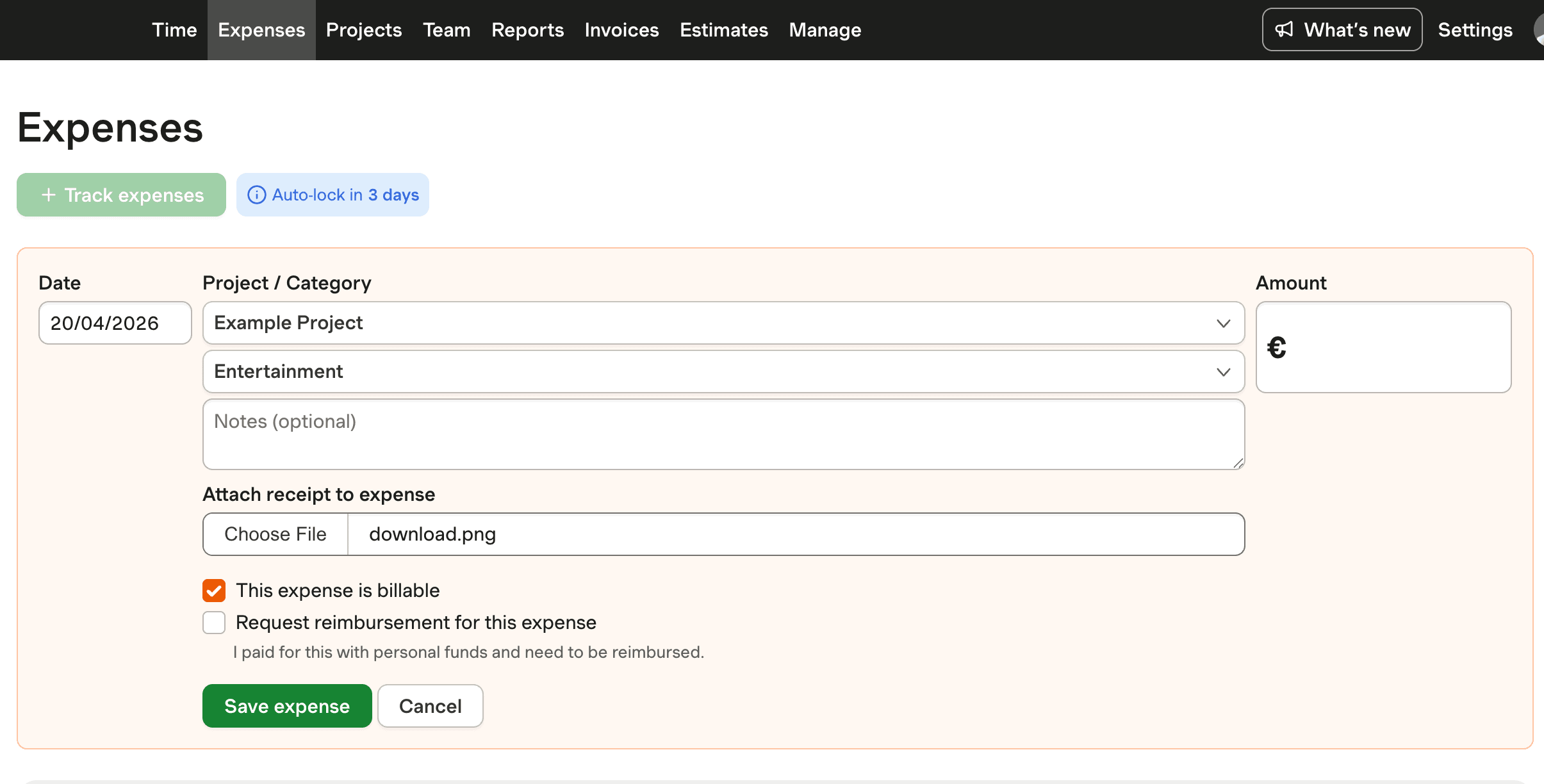
Rising vehicle costs demand efficient reimbursement solutions. Harvest offers customizable mileage tracking, perfect for small businesses seeking simplicity.

  • Attach receipts to projects & tasks
  • Turn tracked expenses into client invoices
  • Free 30-day trial, no credit card needed

or drag & drop • Images and PDFs, max 10 MB

Understanding Vehicle and Driver Reimbursement Models

Vehicle and driver reimbursement models are evolving to meet economic, regulatory, and technological demands. One key model gaining traction is the Fixed and Variable Rate (FAVR) program. This model is particularly popular in high-mileage industries like manufacturing, where 81% of active drivers use it. FAVR combines fixed monthly payments with variable per-mile rates, offering a tailored and equitable reimbursement solution. For example, manufacturing firms often provide a fixed payment of $468 and a variable rate of $0.23 per mile, totaling an average reimbursement of $756 per month.

Traditional flat-rate allowances, however, may lead to financial imbalances and tax inefficiencies. A $600 flat allowance, after taxes, can result in an employee taking home only $420. This discrepancy can cause significant dissatisfaction among employees. In contrast, FAVR programs adjust for regional cost variations, leading to a 32% higher satisfaction rate among employees who drive frequently for work.
IRS Compliance and Reimbursement Best Practices

For vehicle reimbursements to remain tax-free in the U.S., they must adhere to an "accountable plan" as specified by the IRS. This requires a clear business purpose for expenses, proper mileage log documentation, and ensuring no overpayment to employees. The IRS mandates retention of these records for three years to maintain compliance. The 2026 IRS mileage rate is set at 72.5 cents per mile, reflecting changes in fuel and vehicle costs.

State-specific laws, such as those in California, further require employers to reimburse business use of personal vehicles. Employers must navigate these regulations carefully. Non-compliance can lead to reimbursements being classified as taxable income, resulting in loss of tax deductions and potential audits. Companies are encouraged to integrate technology solutions for automated tracking, which can speed up processing by 23% and reduce disputes by 17%.

Optimizing Vehicle Reimbursement Programs

Optimizing vehicle reimbursement programs involves addressing geographic disparities and adopting technology-driven solutions. Fuel costs in Western U.S. states are up to 37% higher than in the Midwest, making a single reimbursement rate insufficient. Companies that implement region-specific models report higher employee satisfaction. Leveraging technology, such as automated mileage trackers, helps ensure fair and data-driven reimbursements.

Harvest offers a straightforward mileage tracking solution with customizable per-mile rates, suitable for small businesses that require simple and efficient expense tracking. By allowing businesses to set their per-mile rates, Harvest aids in managing expenses without delving into complex FAVR structures. This simplicity enables businesses to focus on core operations while ensuring employees are reimbursed accurately.

Documenting Reimbursements for Compliance

Accurate documentation is essential for compliance and avoiding tax penalties. The IRS requires audit-ready mileage logs, detailing the date, start and end points, business purpose, and miles driven. Poor record-keeping can lead to overpayments and complications during tax audits. Robust tracking systems are crucial to prevent errors like duplicate reports or misreported mileage.

While Harvest does not provide IRS compliance features directly, it facilitates manual entry of mileage expenses and allows businesses to set per-mile rates. This ensures that mileage tracking aligns with business needs, though users must independently handle compliance documentation. By integrating Harvest with business processes, companies can streamline expense reporting and reimbursement processing.

Harvest for Vehicle Reimbursement

See how Harvest offers customizable mileage tracking for vehicle and driver reimbursement, ideal for small businesses.

Harvest dashboard showing vehicle and driver reimbursement tracking.

Vehicle and Driver Reimbursement FAQs

  • Vehicle reimbursement programs include Fixed and Variable Rate (FAVR), flat-rate allowances, and traditional mileage reimbursements. FAVR is becoming popular for its regional cost adjustments, while flat-rate allowances may lead to tax inefficiencies.

  • The FAVR model combines a fixed monthly payment with a variable rate per mile, reflecting actual driving costs. This model adjusts for regional differences in fuel and insurance costs, offering a more equitable solution than flat-rate allowances.

  • The IRS requires vehicle reimbursements to follow an "accountable plan" for tax-free status. This includes a business purpose, proper mileage logs, and ensuring no overpayment. Records must be kept for three years.

  • Reimbursement claims require detailed mileage logs, including dates, start and end points, business purposes, and miles driven. Accurate documentation is essential to comply with IRS guidelines and prevent tax penalties.

  • Optimizing reimbursement involves adopting region-specific models and technology-driven solutions. Automated tracking tools and fair, data-driven rates improve satisfaction and compliance.

  • The IRS has set the standard mileage rate for business use at 72.5 cents per mile for 2026. This rate reflects current fuel and vehicle cost trends.

  • Harvest allows businesses to customize per-mile rates for mileage tracking, providing a simple solution for managing vehicle expenses. This is ideal for small businesses seeking straightforward expense management.