
Harvest
Expenses
Sign up

It Expense Management

Companies often overspend on IT by 20%, but Harvest helps small-to-medium businesses streamline expense tracking and invoicing, ensuring accurate billing.

EXPENSE REPORT DRAFT

Drop your receipts here or click to upload

Images and PDFs (max 10 MB each)

Date
Category
Merchant
Description
Amount
Total
$0.00

Customise report

Appearance

Show report title

Report settings

Understanding IT Expense Management Challenges

IT expense management is critical as companies increasingly overspend on IT, with an average waste of 20% largely attributed to cloud applications, infrastructure, and mobile devices. This mismanagement often stems from a lack of visibility and control over tech expenditures. In fact, 50% of organizations waste more than 40% of their cloud budget, highlighting the need for effective management solutions. Enterprises across industries are seeking strategies to optimize their IT spending, as evidenced by the technology expense management market's projected growth to $13.15 billion by 2030.

Organizations face challenges such as fragmented views of tech expenses and complex vendor management. Historically, these tasks were managed manually, resulting in errors and compliance risks. However, digital transformation has introduced automated, cloud-based systems, enabling real-time processing and better financial control. Despite economic pressures, technology leaders are prioritizing investments in AI, with 78% planning budget increases for generative AI, further complicating IT expense management.
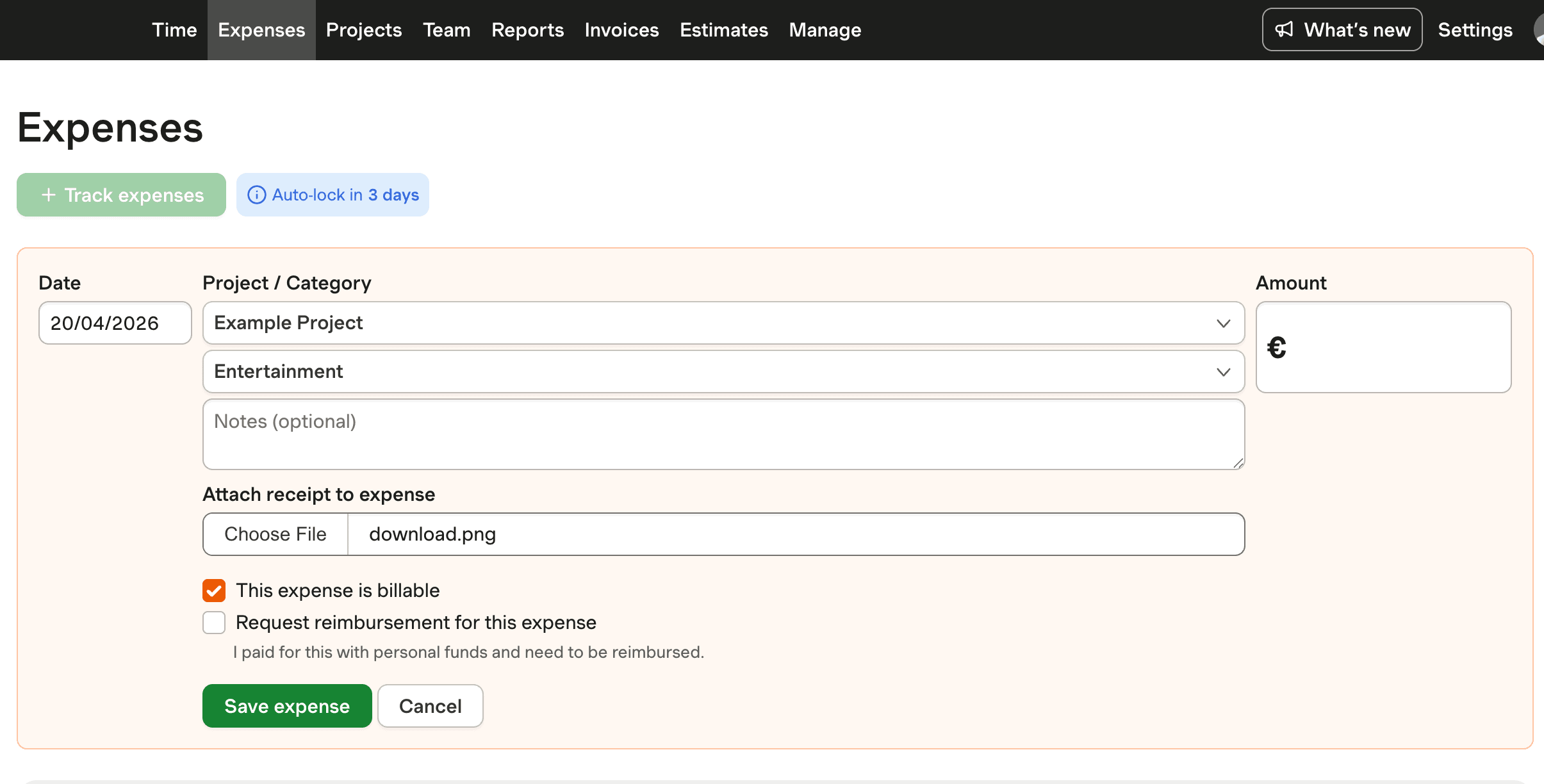
Harvest's Role in Centralized Invoice Processing

While Harvest is not designed for comprehensive IT expense management, it excels in centralized invoice processing for technology expenses. This feature allows businesses to create invoices for tracked expenses, including telecom and cloud services, and manage these invoices in a centralized system. The ability to generate invoices directly from tracked expenses simplifies financial processes and ensures accurate billing.

For small-to-medium businesses, Harvest provides a straightforward solution for managing project-based expenses. By categorizing expenses by project and leveraging Harvest’s invoicing capabilities, businesses can maintain financial oversight and streamline their billing practices. This approach reduces the administrative burden and helps ensure that all billable expenses are accounted for in a timely and structured manner.

Leveraging Detailed Reporting for IT Expense Insights

Harvest offers detailed reporting capabilities that can enhance visibility into IT expenses, particularly for telecom and cloud services. Although it does not provide real-time monitoring or comprehensive analytics, these reports can be exported for further analysis and used to inform decision-making. This reporting feature is valuable for identifying trends, recognizing areas of overspending, and making informed adjustments to budgets.

Detailed reporting enables companies to track expenses by category and project, which is essential for organizations seeking to optimize their technology spending. By analyzing this data, businesses can identify inefficiencies, negotiate better vendor contracts, and implement cost-saving measures. With Harvest, businesses gain a clearer understanding of their IT expenditures, allowing for more strategic financial planning and management.

Integrating Expense Management with Business Processes

Seamless integration of expense management with other business processes is crucial for operational efficiency. Harvest integrates with QuickBooks Online and Xero, allowing businesses to copy invoices into their accounting systems, though it does not sync expenses directly. This integration facilitates streamlined workflows and minimizes manual data entry, reducing errors and improving data consistency across platforms.

For businesses aiming to enhance their financial processes, integrating Harvest with existing software ecosystems supports real-time visibility into spending and aids in strategic decision-making. While it may not offer automated GL coding or comprehensive analytics, Harvest’s integration capabilities ensure that financial data is consistent and accessible, which is vital for effective IT expense management.

Streamline IT Expenses with Harvest

Harvest provides centralized invoicing and detailed reporting for IT expenses, helping businesses manage finances more effectively.

Harvest dashboard showing IT expense tracking and invoicing.

It Expense Management FAQs

  • IT expense management involves tracking, controlling, and optimizing technology-related expenditures. This includes costs from cloud services, software, and hardware, with the goal of reducing waste and enhancing financial oversight.

  • To optimize IT expenses, conduct regular audits, leverage automation to reduce manual errors, and negotiate better vendor contracts. Implementing robust reporting systems can also provide insights into spending patterns and areas for cost savings.

  • The best tools for IT expense management offer features like automated invoice processing, detailed reporting, and integration with financial systems. While Harvest is not a comprehensive IT management tool, it excels in centralized invoicing and reporting for tracked expenses.

  • Harvest aids IT expense management by providing centralized invoice processing and detailed reporting on tracked expenses. This helps businesses maintain financial oversight and streamline billing for technology-related costs.

  • Look for features like automated data entry, detailed reporting, integration with accounting systems, and real-time monitoring. These features help reduce administrative burdens and improve financial control.

  • Visibility is crucial as it allows organizations to understand their spending patterns, identify inefficiencies, and make informed decisions. Without it, businesses risk overspending and missing opportunities for cost savings.

  • Yes, Harvest integrates with accounting software like QuickBooks Online and Xero, allowing for streamlined invoice processing and consistency in financial data management.