
Harvest
Expenses
Sign up

Km Tracking Sheet

Harvest offers a streamlined solution for manual mileage tracking, essential for maintaining IRS-compliant logs and optimizing tax deductions.

EXPENSE REPORT DRAFT

Drop your receipts here or click to upload

Images and PDFs (max 10 MB each)

Date
Category
Merchant
Description
Amount
Total
$0.00

Customise report

Appearance

Show report title

Report settings

Understanding IRS Mileage Log Requirements

To comply with IRS requirements for tax deductions, a mileage log must include specific details such as the date of each trip, starting and ending locations, and the purpose of the journey. Additionally, it's recommended to record odometer readings at the start and end of the year. Accurate record-keeping is crucial, as inaccuracies can lead to significant financial penalties during audits. For instance, reimbursements not documented to the IRS's accountable standard can become taxable income, resulting in a combined tax burden exceeding 30% for both the employer and employee.

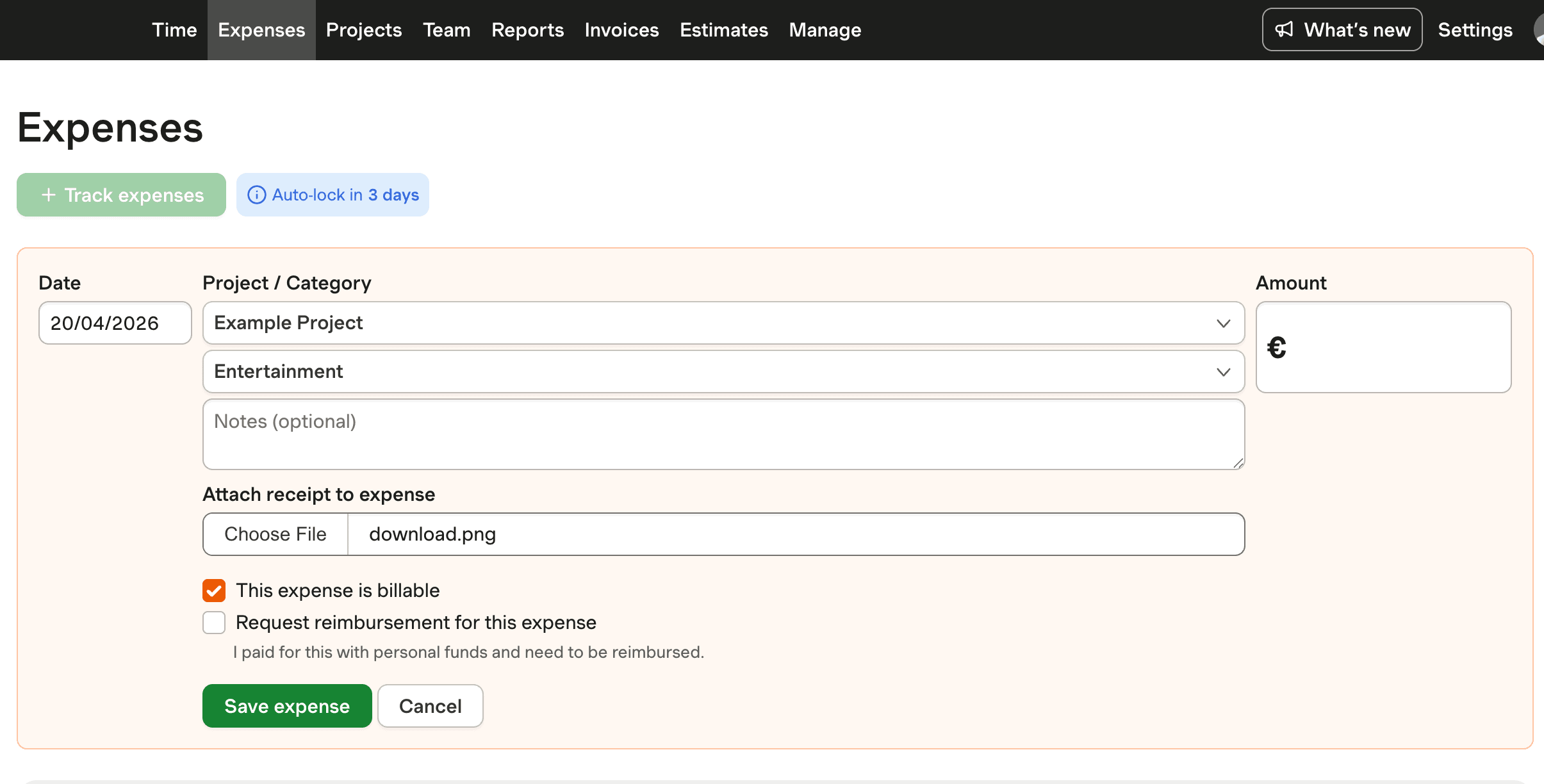
Harvest helps you maintain these detailed logs by allowing you to track mileage expenses by date and category. This feature supports the accurate and contemporaneous record-keeping necessary for IRS audits, ensuring compliance and optimizing your tax deductions.
Manual vs. Automated Mileage Tracking

Manual mileage tracking methods, such as spreadsheets, are prone to errors—studies show that 88% of spreadsheets contain errors, which can result in inaccurate reimbursements and compliance issues. However, automated solutions have emerged, saving drivers an average of 42 hours annually and significantly reducing transportation costs by up to 30%.

While Harvest requires manual entry, it provides a simple and effective solution for small teams needing to track expenses by date and category. This approach enables businesses to maintain accurate mileage records without the complexities of automated systems, ensuring compliance and facilitating efficient financial management.

Best Practices for Maintaining a Mileage Log

Maintaining an accurate mileage log involves several best practices. Essential fields in your tracking sheet should include the date, purpose of the trip, starting and ending locations, starting and ending mileage, and total miles driven. These details ensure that your log remains comprehensive and compliant with IRS guidelines.

To maximize efficiency and reduce errors, consider leveraging simple formulas. For example, use Total Miles = End Mileage - Start Mileage to calculate trip distances. Although Harvest does not automate mileage calculations, it allows you to set a custom mileage rate for reimbursement tracking, thus enhancing the manual tracking process and ensuring precise financial records.

Leveraging Digital Solutions for Mileage Tracking

The shift to digital solutions for mileage tracking has been driven by the need for efficiency, accuracy, and compliance. The market for mileage tracking software is expanding, with projections indicating significant growth from USD 450 million in 2023 to around USD 820 million by 2032. This growth reflects the increasing adoption of digital methods over traditional logs among small and medium enterprises.

While Harvest focuses on manual entry, it supports digital documentation, allowing you to maintain comprehensive records that align with IRS guidelines. This approach not only aids in compliance but also enhances productivity by providing clear insights into expenses and ensuring that all travel-related costs are accurately documented.

Harvest Km Tracking Sheet

The preview shows Harvest's manual entry feature for tracking mileage expenses by date and category, ensuring IRS compliance.

Harvest mileage tracking interface for IRS compliance

Km Tracking Sheet FAQs

  • The IRS requires that mileage logs include the trip date, purpose, starting and ending locations, and mileage driven. These details support tax deduction claims and audit compliance.

  • Include essential fields like date, purpose, and mileage in your log. Use formulas to calculate distances and ensure consistency. Harvest supports manual entry for precise tracking.

  • Digital tracking reduces errors, saves time, and ensures compliance. Automated solutions can save 42 hours annually, but Harvest's manual method remains effective for small teams.

  • Yes, Harvest allows you to track mileage expenses by date and category, ensuring compliance with IRS documentation requirements and audit readiness.

  • A mileage tracking sheet should include the date, purpose, starting and ending locations, and total miles driven. Harvest supports these fields for accurate record-keeping.

  • Digital solutions streamline the tracking process, enhance accuracy, and improve compliance. Although Harvest uses manual entry, it supports comprehensive documentation.

  • Yes, by allowing detailed mileage tracking by date and category, Harvest supports audit readiness and ensures compliance with IRS standards.