
Harvest
Time Tracking
Sign up free

Project Capacity Planning

Harvest streamlines project capacity planning with time tracking and invoicing, addressing resource constraints that cause 35% of project failures.

Try Harvest Free

Will this project be profitable?

Estimate your project cost, set the right price, and know exactly how many hours your team can spend before margin disappears.

Total hours across all team members
$
Average rate across all roles on the project
15%
Scope creep is real. Most projects need 10-25% buffer to stay profitable.
Recommended project price $0
Base cost (before buffer) $0
Hours per person per week 0h
Weekly burn rate $0
Max hours before loss 0h

Track project hours with Harvest

Walk through the entire flow below. Start a timer, check your reports, and create a real invoice — all in three clicks.

Go ahead — start tracking!

One click and you're timing. Try it right here: start a timer, add an entry, edit the details. This is exactly how it feels in Harvest.

  • One-click timer from browser, desktop & mobile
  • Works inside Jira, Asana, Trello, GitHub & 50+ tools
  • Duration or start/end — your call
  • Day, week & calendar views to stay on top of it all
  • Friendly reminders so no hour gets left behind
Acme Corp
Website Redesign
Homepage layout revisions
1:24:09
Content Strategy
Blog calendar planning
1:30:00
SEO Audit
Technical audit report
0:45:00
Brand Guidelines
Color system documentation
2:15:00
Logo Concepts
Initial sketches round 1
1:00:00

Understanding Project Capacity Planning in Service Firms

Project capacity planning is essential for service firms to align resources with client demands and drive sustainable growth. This process involves strategically managing internal staff and contractors to meet project requirements efficiently. For professional services, where projects are often intangible and demand varies, capacity planning ensures that businesses can respond swiftly to client needs without overextending resources.

Effective capacity planning can reduce project failure rates, which occur in approximately 35% of cases due to resource constraints. By optimizing resource utilization, service firms can experience up to a 30% improvement, enhancing client satisfaction and profitability. Additionally, organizations with robust capacity planning processes can increase decision-making speed by 27%, allowing them to capitalize on opportunities promptly.
The Core Process: A Step-by-Step Framework

Implementing a structured approach to project capacity planning can mitigate common issues like budget overruns and scope creep. The process begins with identifying triggers such as new client requests or team changes that necessitate capacity planning. Following this, projects are scoped to determine resource needs, and a rough plan is created.

Next, forecasted resource needs are compared with actual availability. This assessment helps identify potential overcommitted resources or underutilized team members. Adjustments are then made to balance workloads, which may include reallocating tasks or adjusting timelines. Finally, long-term planning involves aligning capacity forecasts with strategic goals to ensure future readiness.

Strategies for Accurate Forecasting and Workload Management

Accurate forecasting is crucial for effective capacity planning. Service firms can leverage historical data and market trends to predict future resource needs. Techniques such as time series analysis and predictive analytics provide insights into demand patterns, helping firms allocate resources more effectively.

Implementing skill matrices and utilization tracking is vital to manage workloads efficiently. By tracking team members' skills and availability, firms can better allocate resources to projects, thus preventing overcommitment and burnout. Additionally, accounting for non-billable time, such as training and administrative tasks, ensures a comprehensive view of resource availability, ultimately leading to improved project outcomes.

Overcoming Common Challenges in Capacity Planning

Service firms often face challenges like skill shortages and fluctuating demand during capacity planning. Addressing these requires strategic approaches, such as investing in employee training to close skill gaps and using data-driven insights to manage demand variability.

Cross-functional collaboration is another critical aspect. By fostering communication among HR, finance, and project teams, firms can enhance data visibility and adapt to changes effectively. Building contingency plans also helps navigate unexpected shifts in project timelines or resource availability, ensuring continued project delivery and client satisfaction.

Impact on Performance and Sustainable Growth

Effective project capacity planning significantly enhances team performance and supports sustainable growth for service firms. By optimizing resource utilization, companies can improve project delivery quality and prevent team burnout, ultimately boosting morale and productivity.

Moreover, data-driven decision-making facilitated by capacity planning leads to more agile business operations. This agility allows firms to remain competitive and responsive to market changes, ensuring long-term success and profitability. By aligning resources with strategic objectives, service firms can drive sustainable growth and maintain a strong market position.

Project Capacity Planning with Harvest

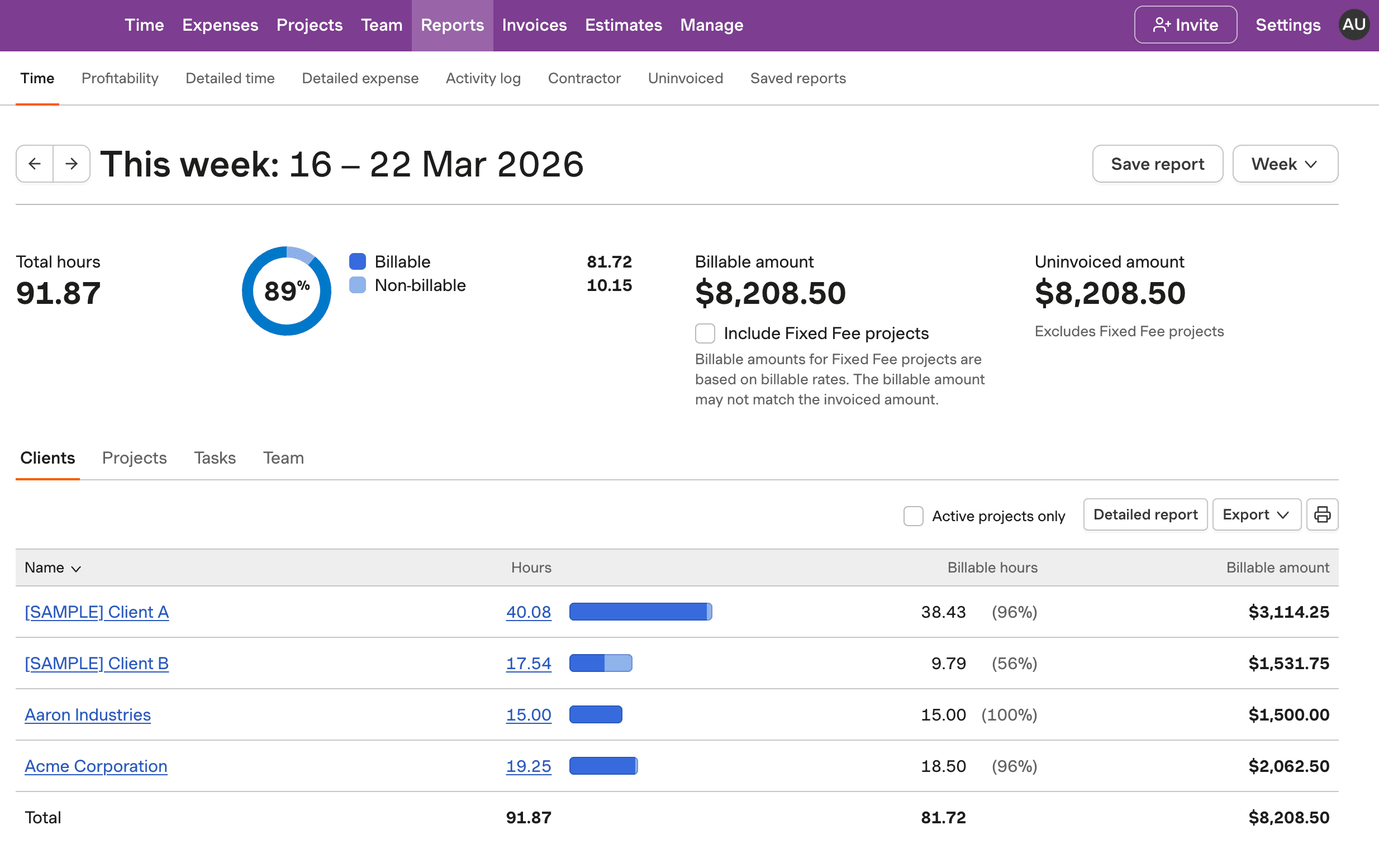
See how Harvest helps streamline project capacity planning with efficient time tracking and invoicing, enhancing resource management.

Harvest dashboard showing project capacity planning features.

Project Capacity Planning FAQs

  • The key steps include identifying triggers for planning, scoping work, comparing forecasted needs with current availability, and making strategic adjustments. Long-term capacity forecasts are also crucial for aligning with strategic goals.

  • Balancing workloads involves assessing current resource availability, reallocating tasks, and adjusting project timelines as needed. Utilizing skill matrices and tracking utilization can help ensure that resources are optimally deployed.

  • Accurate forecasting can be achieved by leveraging historical data and market trends, employing techniques like time series analysis, and implementing predictive analytics. This approach helps anticipate demand and allocate resources effectively.

  • Common challenges include skill shortages and fluctuating demand. These can be addressed by investing in training, fostering cross-functional collaboration, and building contingency plans to adapt to unexpected changes.

  • Effective capacity planning optimizes resource utilization, leading to better project delivery quality and preventing team burnout. It also enables data-driven decision-making, enhancing agility and long-term competitiveness.

  • Yes, time tracking is an essential component of capacity planning. By tracking time spent on tasks, firms can build accurate capacity models, leading to better resource allocation and improved project outcomes.

  • Harvest aids project capacity planning by providing comprehensive time tracking and invoicing solutions. These features help manage resources efficiently, addressing common challenges like resource constraints and budget overruns.