
Harvest
Expenses
Sign up

Marketing Expense Management

Many businesses struggle with categorizing marketing expenses, leading to inefficiencies. Harvest enhances visibility by allowing precise categorization, streamlining management.

  • Attach receipts to projects & tasks
  • Turn tracked expenses into client invoices
  • Free 30-day trial, no credit card needed

or drag & drop • Images and PDFs, max 10 MB

Understanding Marketing Expense Management

Marketing expense management is crucial for ensuring that each dollar spent contributes to business growth and brand visibility. In 2025, marketing budgets are projected to stabilize at approximately 7.7% of total company revenue, reflecting a strategic allocation of resources. This trend underscores the importance of aligning financial acumen with marketing strategy to maximize return on investment (ROI). As digital channels continue to dominate, with a projected 12.7% increase in spending, businesses must carefully manage their marketing expenditures to stay competitive in an evolving landscape.

Effective management involves tracking, analyzing, and optimizing marketing expenses. Marketers are prioritizing investments in areas like customer relationship management and branding, with increases of 6.9% and 7% respectively. However, despite stable budgets, nearly 60% of Chief Marketing Officers (CMOs) feel current allocations are inadequate for executing strategies effectively. This highlights the need for robust tools that enhance visibility and control over marketing spend.
Challenges in Tracking Marketing Expenses

Tracking marketing expenses can be fraught with challenges, particularly when relying on outdated methods like spreadsheets. Over 80% of organizations experience formula errors, leading to inaccuracies in budgeting and reporting. These errors often occur from adding data rows without updating formulas, which can result in significant financial discrepancies. Moreover, without real-time visibility, businesses struggle to adapt to changing market conditions and optimize their marketing strategies.

Harvest offers a solution by allowing businesses to categorize marketing expenses, enhancing visibility and organization. By using Harvest, companies can streamline their expense tracking processes, reducing the risk of errors associated with manual methods. This capability is particularly beneficial for small-to-medium businesses that require straightforward project-based expense management without the complexity of full lifecycle management.

Optimizing Marketing Budgets with Harvest

Optimizing marketing budgets is essential for achieving better financial outcomes and strategic oversight. For instance, reallocating funds from less productive channels to more effective ones, like email campaigns, can significantly enhance ROI. One retail company increased its marketing ROI by 18% through strategic reallocation, showcasing the potential of informed budget management.

Although Harvest does not offer advanced analytics for budget optimization, it provides tools to track and categorize expenses effectively. This empowers businesses to monitor spending patterns and make data-informed decisions. By integrating project-based expense tracking with invoicing, Harvest helps businesses maintain financial discipline and agility, crucial for adapting to market changes.

Legal Considerations in Marketing Expense Management

Understanding the tax implications of marketing expenses is vital for effective financial management. In the US, marketing and advertising costs are generally fully deductible as ordinary and necessary business expenses, which can significantly impact a company’s financial planning. However, to qualify for these deductions, businesses must maintain meticulous documentation, including receipts and detailed records connecting expenses to business promotion.

While Harvest does not manage tax implications directly, it facilitates the organization of expense records, aiding in compliance with tax documentation requirements. By using Harvest to keep expenses categorized and documented, businesses can better prepare for audits and maximize tax benefits.

Streamline Marketing Expense Management with Harvest

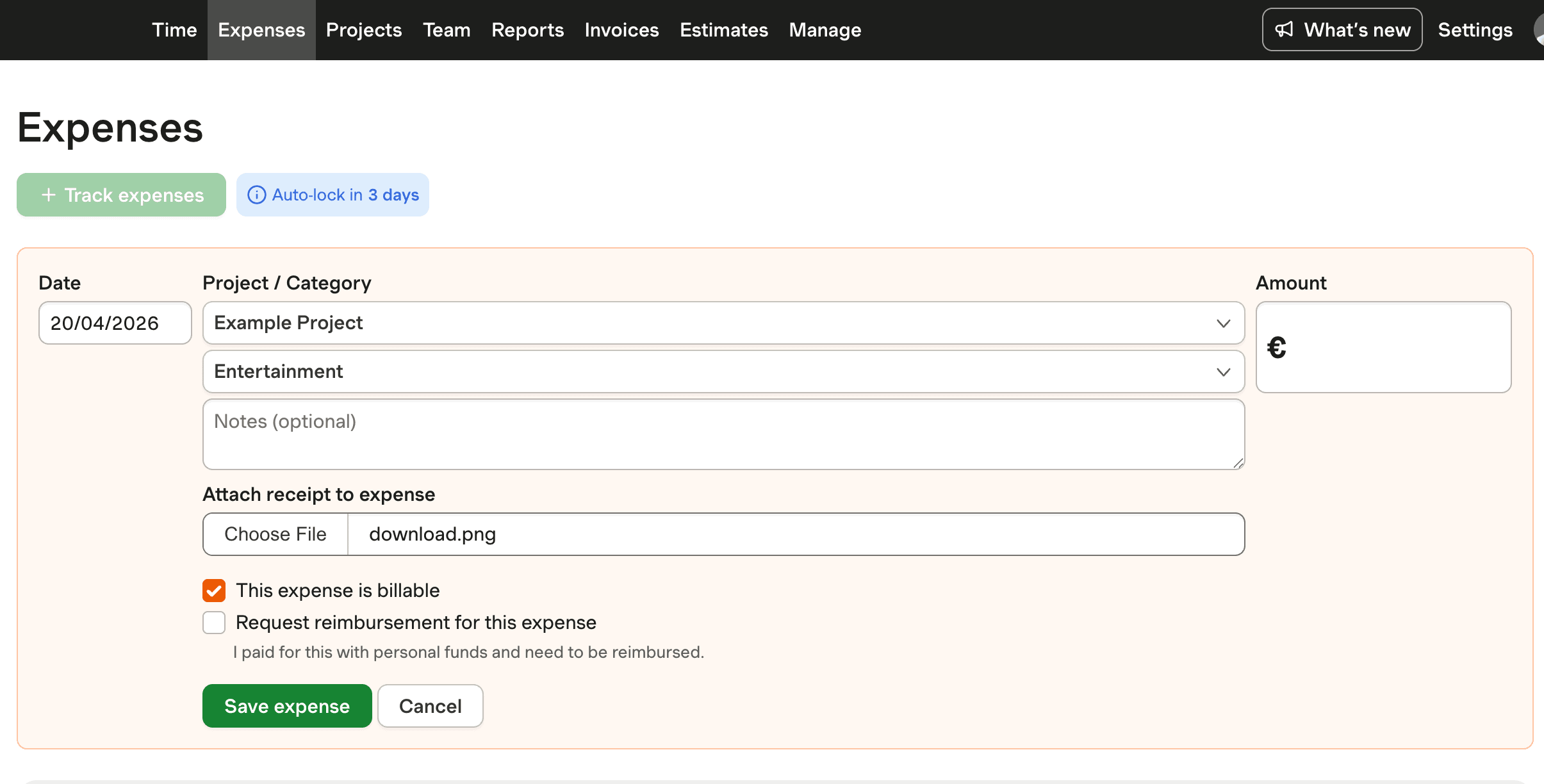
Harvest allows businesses to categorize marketing expenses, enhancing visibility and control over financial management.

Screenshot of Harvest categorizing marketing expenses

Marketing Expense Management FAQs

  • Marketing expense management involves planning, tracking, and optimizing an organization's marketing expenditures to maximize ROI. It integrates financial acumen with marketing strategy to ensure effective use of resources.

  • On average, businesses allocate about 7.7% to 8% of their total revenue to marketing expenses. This allocation varies by industry, with consumer packaged goods companies investing up to 14.35% and tech companies around 9.04%.

  • Harvest aids in managing marketing expenses by allowing businesses to categorize and track their expenditures. This enhances visibility and helps in maintaining financial discipline and efficiency.

  • Common pitfalls include relying on outdated spreadsheets prone to errors, failing to set clear goals, and not regularly tracking performance. These can lead to financial discrepancies and inefficiencies.

  • In the US, marketing expenses are generally tax-deductible as ordinary and necessary business expenses. However, proper documentation is required to qualify for these deductions.

  • As digital marketing spend increases, businesses must adapt their expense management strategies. This includes reallocating budgets to digital channels and leveraging tools like Harvest for efficient tracking.

  • Harvest integrates with financial tools like QuickBooks and Xero for invoice copying, enhancing its utility in managing finances alongside expense tracking.