
Harvest
Expenses
Sign up

Mileage App for Realtors

Harvest allows real estate agents to manually track mileage expenses for property showings and client meetings, simplifying the process of managing travel costs and maximizing tax deductions.

  • Attach receipts to projects & tasks
  • Turn tracked expenses into client invoices
  • Free 30-day trial, no credit card needed

or drag & drop • Images and PDFs, max 10 MB

Maximize Tax Deductions with Accurate Mileage Tracking

For real estate agents, accurate mileage tracking is essential to maximize tax deductions. The IRS allows realtors to deduct every business mile driven using the standard mileage rate, which can significantly reduce taxable income. In 2026, this rate is $0.725 per mile, covering all vehicle expenses for business use. Properly tracking these miles can result in substantial tax savings, making it crucial for real estate professionals to maintain detailed records of every business trip.

Harvest provides a straightforward solution for realtors to manually track mileage expenses for property showings and client meetings. By creating a mileage expense category within Harvest, agents can easily enter and categorize the miles driven. This manual tracking method ensures that realtors capture all eligible miles, supporting accurate deductions at tax time.
The Shift from Manual Logs to Digital Solutions

The days of manually logging mileage on paper or spreadsheets are over. Digital solutions have revolutionized how real estate agents track their trips, offering automated and precise logging with minimal effort. GPS-enabled mileage tracking apps have become the norm, reducing the time spent on administrative tasks and eliminating human errors that can lead to overestimated mileage claims. For real estate agents, this shift means more time focusing on clients and less on paperwork.

While Harvest does not offer automated GPS tracking, it allows realtors to manually enter and track mileage for business-related travel. This feature helps ensure compliance with IRS requirements, which mandate contemporaneous records of business vehicle use. By using Harvest for mileage logging, realtors can maintain organized and accurate records necessary for maximizing tax deductions.

Integrating Mileage Tracking with Financial Management

Integrating mileage tracking with financial management tools is crucial for real estate agents who wish to streamline their business operations. Many modern mileage tracking apps offer integration with accounting software, enabling seamless financial reporting and tax preparation. This integration reduces the need for manual data entry and provides a comprehensive view of expenses, making it easier for agents to manage their finances throughout the year.

Although Harvest does not integrate directly with real estate CRM systems, it offers a reliable way to manually track and categorize mileage expenses. Realtors can input mileage data into Harvest, which can then be exported and used in conjunction with other financial management tools. This approach ensures that real estate professionals can maintain accurate records and stay organized, even without direct integration.

Overcoming Common Mileage Tracking Challenges

Real estate agents face unique challenges when it comes to tracking mileage due to their unpredictable and varied travel routes. Common issues include forgetting to log trips, misclassifying business versus personal travel, and overlooking deductible expenses like tolls and parking fees. These challenges can lead to inaccurate mileage logs and potential IRS audits.

Harvest helps realtors overcome these challenges by providing a platform where they can manually record each business trip, along with any associated expenses. By categorizing trips as they occur, agents can ensure they capture all deductible mileage and related costs, reducing the risk of IRS scrutiny. Additionally, Harvest allows users to maintain detailed records, including dates, destinations, and purposes of trips, which are vital for compliance and deduction purposes.

Mileage Tracking with Harvest

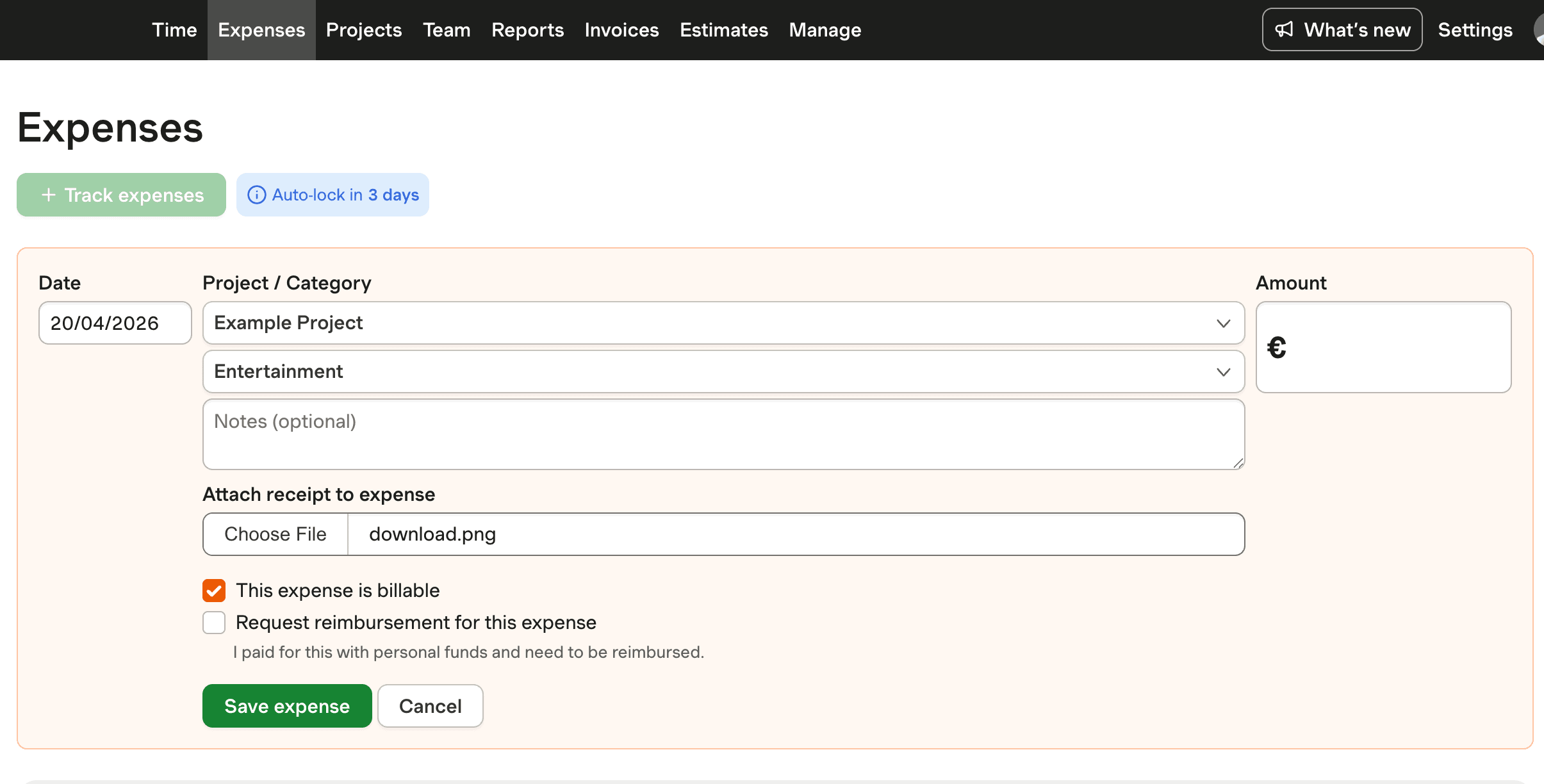
Harvest enables realtors to manually track mileage for showings and meetings, helping to manage travel expenses and maximize deductions.

Harvest interface for tracking real estate mileage expenses

Mileage App for Realtors FAQs

  • Realtors can track their mileage for tax deductions by maintaining accurate and contemporaneous records of all business-related travel. This includes logging the date, destination, business purpose, and miles driven for each trip. Many agents use digital apps for this purpose, but manual tracking methods like Harvest can also be effective.

  • Mileage apps provide realtors with precise tracking of business travel, which is crucial for maximizing tax deductions. These apps often automate the logging process, saving time and reducing errors. By using such tools, agents can ensure compliance with IRS requirements and avoid potential tax issues.

  • Harvest does not directly integrate with real estate CRM systems, but it allows for manual entry and tracking of mileage expenses. Data from Harvest can be exported and used alongside other financial management tools, facilitating comprehensive expense tracking and reporting.

  • The IRS requires detailed records for mileage deductions, including the date, destination, business purpose, and miles driven for each trip. Accurate logs must be maintained contemporaneously, meaning they should be updated daily or shortly after each trip. This ensures compliance and maximizes potential deductions.

  • Mileage apps reduce the likelihood of overestimation by using GPS tracking to record actual routes taken. This provides a precise account of miles driven, eliminating the inaccuracies often associated with manual estimation. For real estate agents, this ensures that reported mileage aligns with actual business travel.

  • Accurate mileage tracking is crucial for realtors as it directly affects their ability to claim tax deductions. Since real estate agents often drive extensively for business, capturing every deductible mile can lead to significant tax savings, reducing overall taxable income and increasing profitability.