
Harvest
Expenses
Sign up

Excel Mileage Log

Harvest simplifies the process of maintaining IRS-compliant mileage logs, ensuring all necessary data is captured for audits and deductions.

  • Attach receipts to projects & tasks
  • Turn tracked expenses into client invoices
  • Free 30-day trial, no credit card needed

or drag & drop • Images and PDFs, max 10 MB

Creating an IRS-Compliant Excel Mileage Log

To ensure your mileage log is IRS-compliant, it must include specific fields such as the date of the trip, starting location, destination, business purpose, and total miles driven. Maintaining an accurate and detailed record is crucial, as the IRS requires these details to validate mileage deductions. Additionally, it's important to record the annual odometer readings at the start and end of each tax year to cross-reference the total miles driven. Without these, you risk losing valuable deductions.

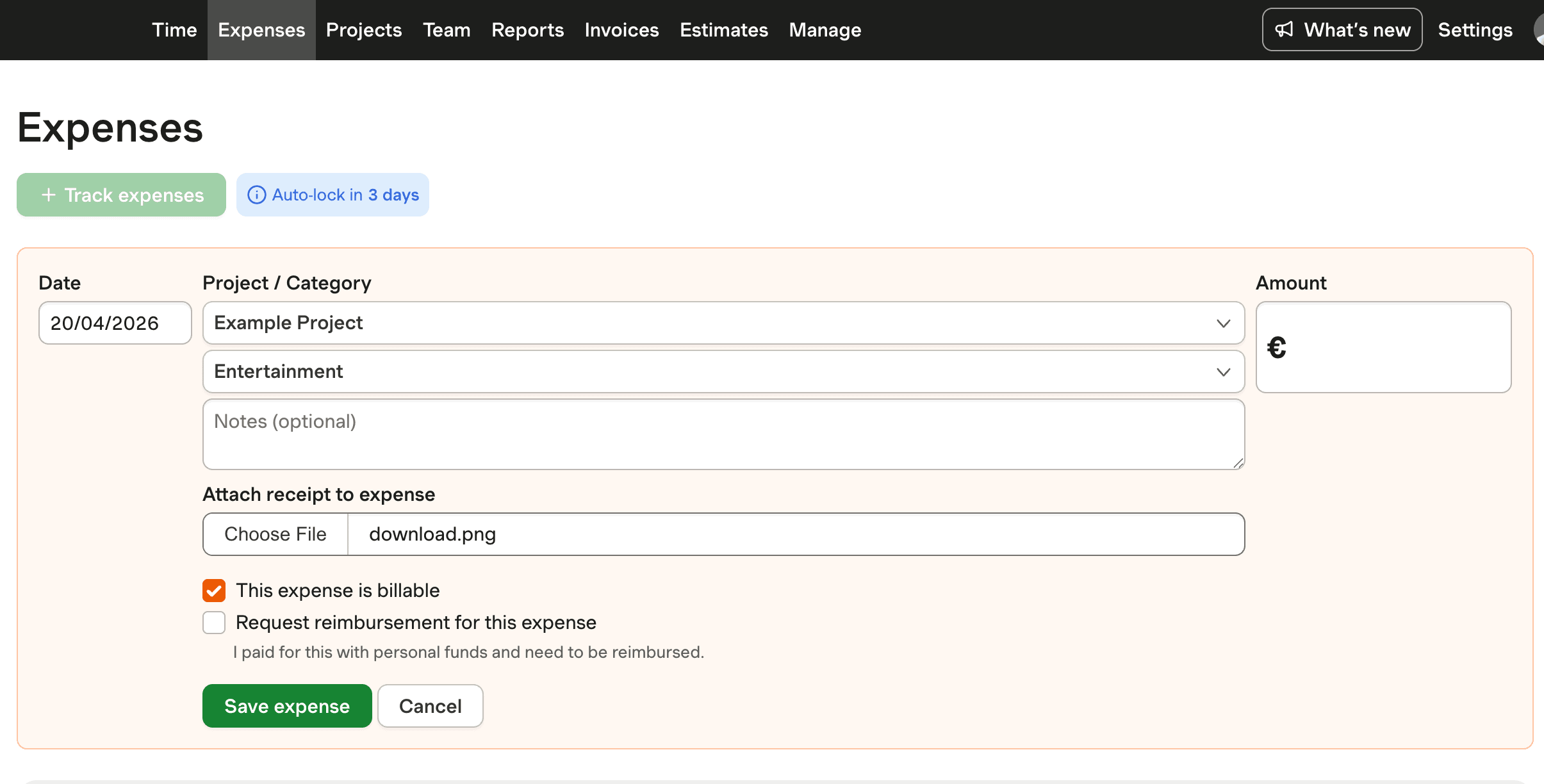
Harvest offers a robust solution for tracking mileage expenses, allowing users to input data by date and project, which can be used to meet IRS requirements. This feature helps streamline the documentation process, ensuring all necessary information is captured efficiently. With Harvest, you can avoid the common pitfalls of manual logs, such as forgetting to log trips or miscalculating distances.
The Benefits of Digital Mileage Logs

Digital mileage logs are transforming how individuals and businesses track travel expenses. Automated systems can save drivers an average of 42 hours annually, a significant time savings over traditional methods. This shift is driven by the need for accuracy and efficiency, as manual tracking often leads to errors. Furthermore, the global market for mileage tracking applications is expected to grow from USD 250 million in 2023 to USD 620 million by 2032, reflecting a growing reliance on digital solutions.

While Harvest does not offer automated tracking, it allows for manual entry of mileage quantities, ensuring that all necessary data is captured for compliance and reimbursement purposes. This capability supports users in maintaining accurate records, which is essential for IRS audits and maximizing tax deductions. By using Harvest, businesses and freelancers can ensure that their mileage logs are complete and audit-ready.

Leveraging Mileage Logs for Business Insights

Mileage data is increasingly being used beyond tax deductions. Businesses leverage this information to assess the profitability of projects and measure the financial viability of various client engagements. For example, in industries like construction, accurate mileage tracking is crucial for billing purposes and ensuring employees are fairly compensated for jobsite visits.

Harvest supports such strategic use of mileage logs by allowing users to categorize and mark expenses as billable or non-billable. This functionality enables businesses to differentiate between personal and business mileage, ensuring accuracy in reimbursement claims and financial reporting. By integrating mileage tracking with project management, Harvest helps businesses gain deeper insights into their operations and optimize their financial strategies.

Ensuring Audit-Ready Documentation

Maintaining audit-ready documentation is essential to avoid potential penalties from tax authorities. The IRS requires mileage logs to be retained for at least three years from the filing date of the tax return claiming the deduction. However, experts recommend retaining these records for up to seven years due to extended statutes of limitations.

Harvest's expense tracking features support businesses in maintaining accurate and detailed mileage logs. By categorizing expenses and marking them appropriately, Harvest ensures that records are complete and ready for any audit scrutiny. This preparation is crucial for avoiding penalties and maximizing tax benefits.

Maximizing Tax Benefits with Accurate Mileage Logs

Accurate mileage logs are vital for maximizing tax deductions and minimizing liability. Missteps such as post-dating entries or estimating mileage can lead to disallowed deductions and increased audit risk. Tax professionals emphasize the importance of distinguishing between business and personal mileage, as commuting miles are generally non-deductible.

Harvest aids users in this regard by offering features to mark expenses as billable, ensuring a clear distinction between personal and business mileage. This clarity helps users maximize their tax benefits while maintaining compliance with IRS regulations. By utilizing Harvest's capabilities, users can streamline their expense tracking and secure greater financial returns.

Streamline Mileage Tracking with Harvest

Harvest provides manual mileage tracking features, ensuring IRS compliance and detailed expense records for audits.

Harvest interface for tracking IRS-compliant mileage logs.

Excel Mileage Log FAQs

  • An IRS-compliant mileage log must include the date of the trip, starting location, destination, business purpose, and total miles driven. Additionally, annual odometer readings are required at the start and end of each tax year.

  • To meet IRS requirements, ensure your mileage log includes all necessary details: date, destination, purpose, and mileage. Using a tool like Harvest can help streamline this process and provide audit-ready documentation.

  • Yes, Harvest allows users to manually track mileage expenses by date and project, supporting IRS requirements and aiding in reimbursement claims. Users can mark expenses as billable or non-billable for clear financial records.

  • Digital mileage logs save time and reduce errors compared to manual methods. They provide accurate and efficient tracking, helping users avoid missed deductions and streamline expense documentation.

  • In construction, accurate mileage tracking ensures proper billing for site visits and fair employee compensation. It helps allocate costs to specific projects, optimizing financial management and resource allocation.

  • Harvest allows users to mark mileage expenses as billable or non-billable, aiding in the distinction between personal and business mileage. This feature ensures accurate reimbursement and tax deduction claims.

  • Failing to maintain a proper mileage log can result in disallowed tax deductions, increased audit risk, and penalties. Accurate logs are essential for financial compliance and maximizing tax benefits.

  • Digital mileage logs can integrate with accounting systems like QuickBooks or Xero, automating data entry and expense tracking. This integration provides a complete audit trail and ensures accurate financial reporting.