
Harvest
Expenses
Sign up

Doordash Mileage App

Harvest helps freelancers and small businesses track expenses effectively, though it requires manual mileage entry for gig workers like DoorDash drivers.

  • Attach receipts to projects & tasks
  • Turn tracked expenses into client invoices
  • Free 30-day trial, no credit card needed

or drag & drop • Images and PDFs, max 10 MB

The Importance of Accurate Mileage Tracking for DoorDash Drivers

Accurate mileage tracking is crucial for DoorDash drivers looking to maximize their tax deductions and accurately report expenses. Gig workers often miss out on significant tax savings due to inadequate mileage tracking practices, which can lead to losses ranging from 27% to 37% of their net earnings. Effective mileage tracking ensures that drivers can claim all legitimate business miles, thus reducing taxable income and enhancing profitability.

For instance, a DoorDash driver logging 10,000 business miles annually could claim a tax deduction of $5,600 at the current IRS standard rate. This underlines the necessity of meticulous tracking to capture not just active delivery miles, but also essential business miles like driving between orders. As gig economy participation grows, with 58% of workers using multiple platforms in 2025, consolidated mileage tracking becomes even more vital to avoid missed deductions and maximize earnings.
Automated Mileage Tracking Solutions for Gig Workers

With the growing complexity of gig work, automated mileage tracking solutions have become essential tools for DoorDash drivers. These tools leverage GPS technology to automatically record and categorize trips, ensuring precise tracking and minimizing human error. This is crucial, as manual mileage reporting can lead to a 10-15% inflation in claims, resulting in over-reimbursement and inefficiency.

Automated solutions provide a seamless way to differentiate between business and personal miles, a requirement for IRS compliance. Additionally, they offer year-round business management benefits, helping drivers assess true profitability and compare work opportunities. However, while Harvest offers robust expense tracking capabilities, it does not support automatic mileage tracking, emphasizing instead the importance of detailed manual entry for accurate reporting.

Maximizing Tax Deductions with Detailed Mileage Logs

Maintaining detailed mileage logs is essential for DoorDash drivers aiming to maximize tax deductions. The IRS requires comprehensive records, including the date, destination, business purpose, and total miles driven for each trip. Proper documentation ensures that deductions are audit-ready and compliant with IRS standards.

To prevent missed deductions, it’s important for drivers to log all business-related miles, not just those recorded by delivery platforms. While Harvest provides detailed project-based expense reports, drivers should ensure their mileage logs are complete and accurate, aligning with IRS requirements such as a weekly log. This practice not only guarantees compliance but also optimizes tax savings by capturing all deductible miles and associated expenses like parking and tolls.

Leveraging Expense Tracking Tools for Enhanced Profitability

Expense tracking tools are invaluable for DoorDash drivers seeking to enhance their profitability and streamline their tax preparation processes. These tools, when integrated with mileage tracking, provide a comprehensive view of expenses and income, enabling more informed financial decisions.

Harvest is designed to assist small businesses and freelancers in managing expenses through its project-based tracking system. While it does not offer automatic mileage tracking, its expense management capabilities ensure that all other business-related expenses are meticulously recorded and reported. By leveraging such tools, drivers can better understand their earnings and expenses, leading to improved financial management and increased profitability.

Harvest Expense Tracking for DoorDash

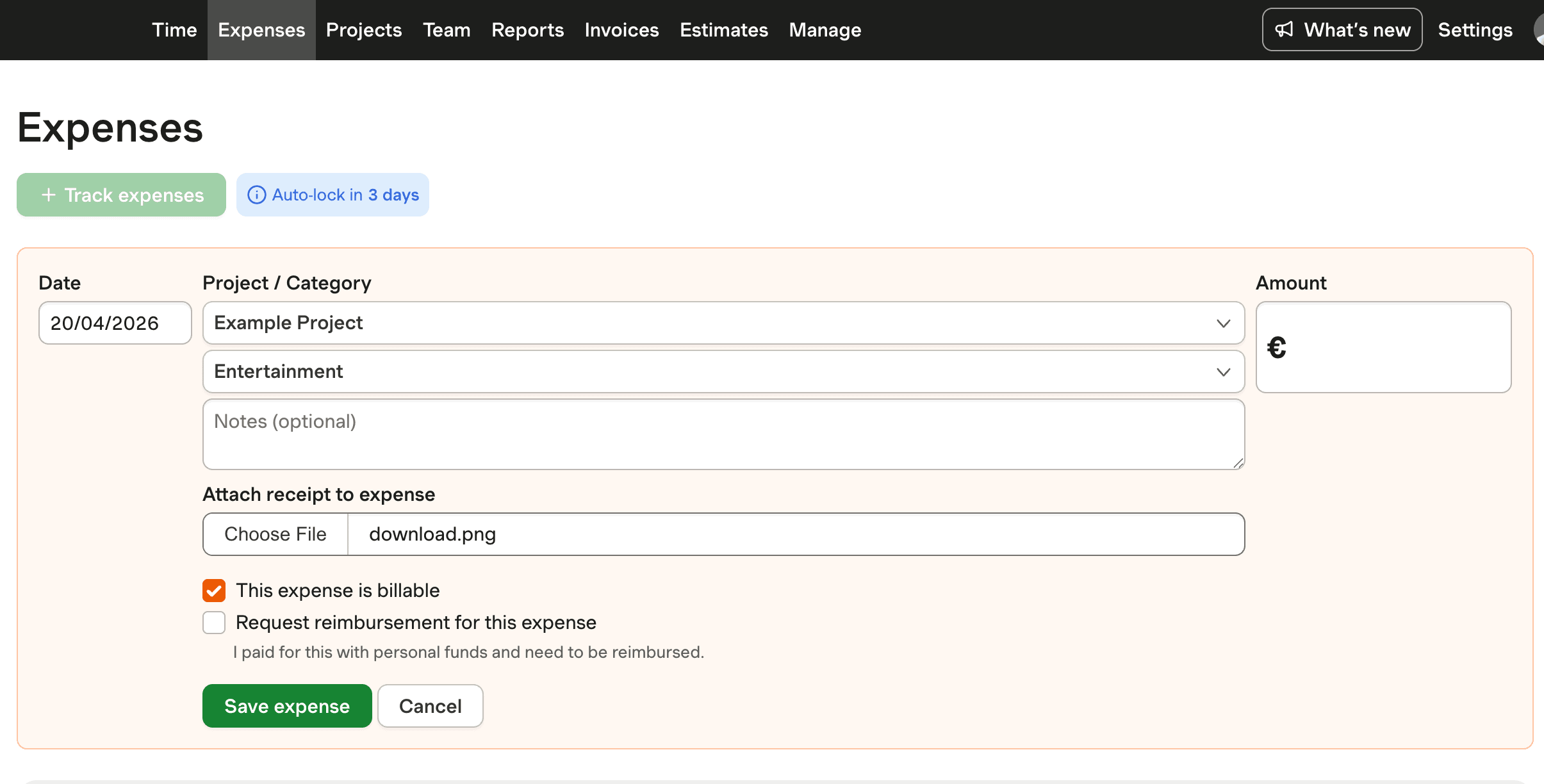
Harvest supports manual entry of mileage for effective expense tracking, helping DoorDash drivers maximize their deductions.

Harvest expense tracking interface for DoorDash drivers

Doordash Mileage App FAQs

  • There are several excellent options for mileage tracking apps tailored for DoorDash drivers, such as Stride and MileIQ, which offer automatic tracking features. These apps use GPS to record trips, categorize them, and help drivers maximize their tax deductions.

  • Automatic mileage tracking for gig workers uses GPS technology to record trips in real-time, categorizing them as business or personal. This minimizes errors, saves time, and ensures compliance with IRS requirements by maintaining detailed and accurate records.

  • DoorDash drivers can claim deductions for business miles driven, parking fees, tolls, and other business-related expenses. Logging comprehensive mileage and maintaining receipts are crucial for maximizing these deductions and minimizing taxable income.

  • To ensure IRS compliance, maintain detailed records of each trip, including date, miles driven, destination, and business purpose. Automated apps can help, but manual logs should be kept up-to-date to meet IRS standards, especially during audits.

  • Harvest offers robust expense tracking for freelancers and small businesses, but requires manual entry for mileage tracking. While not automated, it helps ensure accurate reporting of all business-related expenses.

  • The IRS requires detailed mileage logs, including date, mileage, destination, and business purpose for each trip. These records must be kept contemporaneously or shortly after the trip to ensure compliance and support during audits.

  • Maximizing profitability involves accurate tracking of all expenses, including mileage. Utilize tools like Harvest for detailed expense reports, and ensure all business miles are recorded to claim full tax deductions.

  • Yes, there are free mileage tracking apps available, such as Stride, which offer basic tracking features. These apps help drivers maintain logs and maximize tax deductions without incurring additional costs.