
Harvest
Expenses
Sign up

Mileage Logbook App

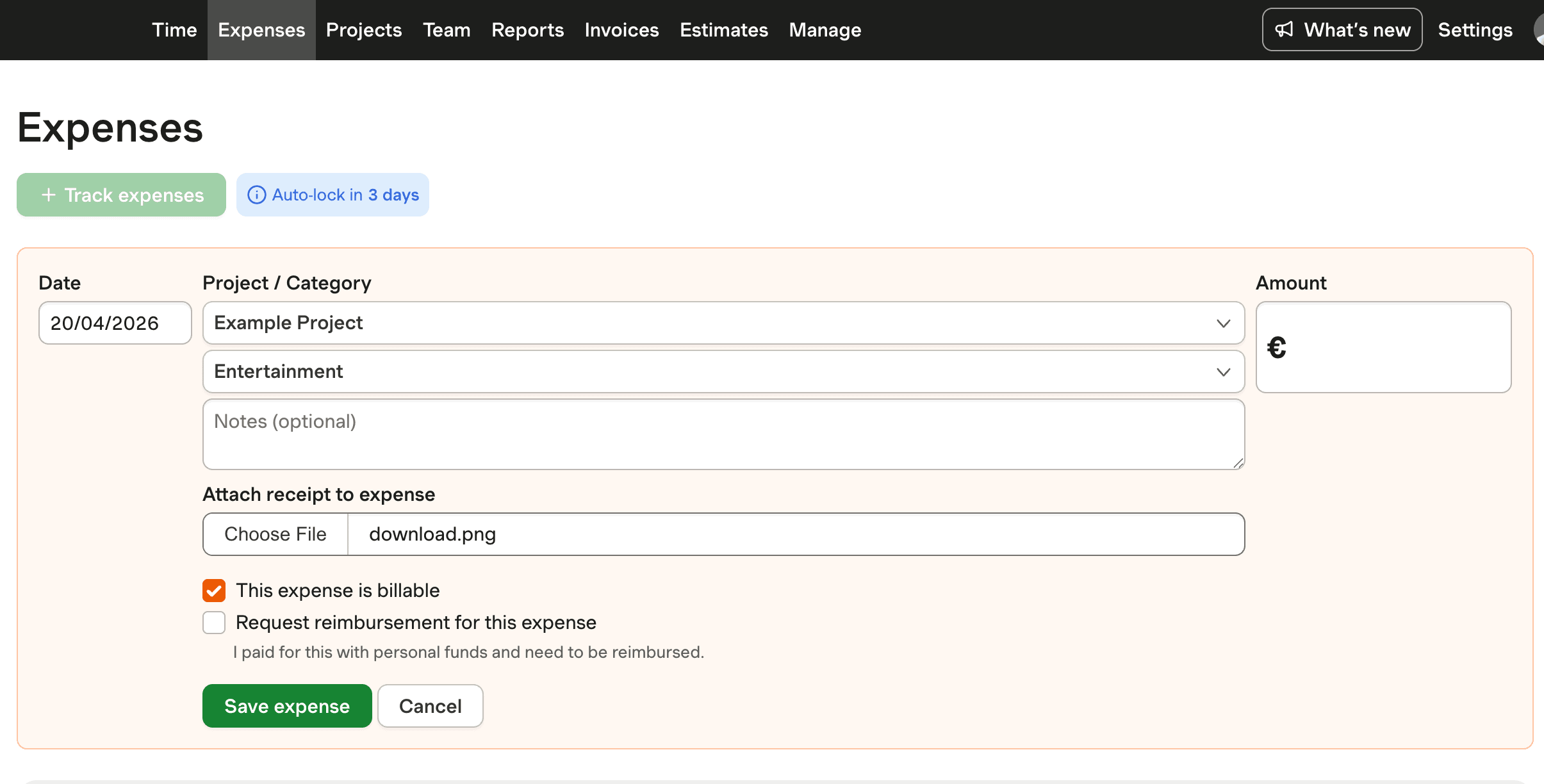
Harvest offers a simple solution for manually tracking mileage expenses, ideal for teams needing straightforward expense management.

  • Attach receipts to projects & tasks
  • Turn tracked expenses into client invoices
  • Free 30-day trial, no credit card needed

or drag & drop • Images and PDFs, max 10 MB

The Advantages of Digital Mileage Logbook Apps

Digital mileage logbook apps have revolutionized the way businesses and individuals manage travel expenses, offering significant improvements over traditional paper logs. These applications harness GPS and AI technologies to automatically track and categorize trips, ensuring accurate and efficient mileage logging. By switching from manual methods to automated apps, the average field employee can save approximately 42 hours annually, leading to increased productivity and reduced administrative burdens.

Furthermore, companies that transition to digital mileage tracking can achieve up to 30% reduction in transportation costs annually. This is primarily due to the elimination of fleet-related overheads such as depreciation and insurance. The IRS standard mileage rate for 2026 is set at 70 cents per mile, underscoring the financial significance of precise mileage tracking for tax deductions. By leveraging these modern solutions, businesses not only streamline their operations but also ensure compliance with regulatory standards.
Ensuring Compliance with Mileage Logbook Apps

Adhering to IRS and CRA requirements is a critical aspect of mileage tracking, and digital logbook apps are designed to facilitate this. The IRS mandates that mileage logs include details like distance traveled, date, and business purpose. Logs should be recorded contemporaneously to meet compliance standards, a process that digital apps simplify through real-time tracking and automatic logging features.

While Harvest offers manual entry of mileage expenses, it does not generate IRS-compliant logs. However, businesses can still use Harvest to track mileage with customizable rates. For more comprehensive compliance needs, other apps provide automated trip logging and integrate with major accounting platforms to streamline the reimbursement process. These apps also help mitigate common pitfalls such as untimely logging and mathematical errors, ensuring accuracy and compliance.

The Role of Mileage Tracking in Business Efficiency

Mileage tracking plays a pivotal role in enhancing operational efficiency across various industries. Sales organizations and healthcare providers, for example, benefit significantly from automated mileage tracking as it distinguishes between personal and business travel, syncing effortlessly with payroll and reimbursement systems. This integration leads to substantial administrative savings and ensures fair compensation for employees.

One real-world example highlights a data solutions company that saved $382,000 annually by adopting a modern vehicle reimbursement system with automated mileage tracking. This transition not only reduced administrative burdens but also improved financial compliance and operational efficiency. Harvest, while not offering automatic tracking, allows for manual trip entry, making it suitable for teams needing straightforward project-based expense management.

Implementing Mileage Logbook Apps Effectively

To maximize the benefits of mileage logbook apps, businesses should adopt a structured implementation approach. This begins with establishing a clear mileage policy outlining reimbursable trips, required documentation, and reimbursement workflows. Selecting an app that offers automatic trip logging, classification, and report generation is crucial for compliance and efficiency.

While Harvest provides a platform for manual mileage entry, companies looking for automated solutions should ensure their chosen app integrates seamlessly with existing accounting systems. This integration facilitates a streamlined expense reporting process from tracking to financial reconciliation. Beyond compliance, analyzing mileage data can reveal cost-saving opportunities and inform strategic decisions on vehicle use and route optimization.

Simplify Mileage Tracking with Harvest

See how Harvest provides a straightforward method for logging mileage expenses manually, suitable for project-based management.

Harvest interface for mileage expense tracking

Mileage Logbook App FAQs

  • When selecting a mileage logbook app, look for features like automatic GPS tracking, trip classification, IRS compliance, and integration with accounting software. These features ensure accurate logging and easy expense reporting.

  • Mileage logbook apps ensure IRS compliance by automatically recording trip details such as distance, date, and business purpose. They also provide real-time tracking to log mileage accurately and contemporaneously, meeting IRS standards.

  • Yes, there are free mileage tracking apps available, though they may offer limited features compared to paid versions. These apps usually include basic trip logging and reporting functions but might lack advanced integration and automation.

  • Highly-rated mileage tracking apps include MileIQ, TripLog, and Everlance. These apps are praised for their automatic trip logging, user-friendly interfaces, and comprehensive reporting features.

  • Many mileage tracking apps integrate seamlessly with popular accounting software, streamlining the expense reporting and reimbursement process. This integration helps ensure accurate tracking and financial reconciliation.

  • Harvest offers manual entry of mileage expenses, providing flexibility in logging business trips. While it does not support automatic tracking, it is ideal for teams needing simple project-based expense management.

  • Digital mileage tracking benefits businesses by reducing administrative burdens, saving costs, and ensuring compliance. For instance, companies can save up to 30% annually on transportation costs by using modern tracking apps.

  • The IRS standard mileage rate for 2026 is 70 cents per mile. This rate highlights the importance of accurate mileage tracking for maximizing tax deductions.