
Harvest
Expenses
Sign up

Best Way to Track Business Mileage

Harvest offers a straightforward solution for tracking business mileage by allowing manual entry of mileage quantities and rates, ideal for small teams and freelancers seeking simplicity.

  • Attach receipts to projects & tasks
  • Turn tracked expenses into client invoices
  • Free 30-day trial, no credit card needed

or drag & drop • Images and PDFs, max 10 MB

Understanding the Importance of Accurate Mileage Tracking

The best way to track business mileage involves precise record-keeping and leveraging technology to enhance accuracy and compliance. Manual tracking, such as using paper logs, can lead to overreported claims by up to 29%, causing significant financial strain on businesses. Automated solutions, like GPS tracking systems, can reduce reimbursement costs by 10-20%, saving over 4,000 hours annually for companies with 100 employees.

Accurate mileage tracking is critical for compliance with tax regulations, such as the IRS's requirement in the United States for detailed, contemporaneous records. This includes documenting the date, starting location, destination, business purpose, and miles driven for each trip. Failure to maintain accurate logs can result in denied deductions, penalties, or interest charges during audits. Therefore, adopting digital solutions for mileage tracking is essential for both efficiency and compliance.
How Harvest Simplifies Business Mileage Tracking

While many automated mileage tracking solutions focus on GPS and real-time data, Harvest offers a straightforward approach by enabling users to manually enter mileage quantities and rates. This is particularly beneficial for small teams and freelancers who prioritize simplicity. Harvest’s capability to generate detailed expense reports supports tax deductions and reimbursements, allowing users to maintain accurate records without the complexity of GPS tracking.

Harvest addresses the challenge of creating audit-ready documentation by allowing users to track mileage expenses manually, ensuring all necessary details are captured. This manual entry system supports compliance with tax regulations by enabling users to document each trip's specifics, including the business purpose and total miles driven. Although Harvest does not provide automatic trip classification or GPS tracking, its manual entry process ensures that essential data points are consistently recorded.

Best Practices for Effective Mileage Tracking

Implementing best practices in mileage tracking can help businesses maintain compliance and maximize tax deductions. Start by recording annual odometer readings and logging each business trip with detailed information such as the date, starting location, destination, and business purpose. Categorize trips to differentiate between business and personal miles, as only business miles are eligible for deductions.

Using digital tools like Harvest to create detailed mileage logs can prevent common mistakes such as estimating mileage inaccurately or omitting the business purpose. While traditional paper logs can lead to errors and inefficiencies, digital solutions provide a reliable and efficient alternative. Keep all supporting documentation, such as receipts for parking fees and tolls, to substantiate mileage claims during audits.

Legal Considerations in Business Mileage Tracking

Legal compliance in mileage tracking is crucial for avoiding penalties and ensuring eligibility for tax deductions. In the U.S., the IRS requires comprehensive records, including the date, starting location, destination, business purpose, and total miles for each trip. These records should be retained for at least three years, although a seven-year retention is advisable for audit protection.

For Canadian taxpayers, the CRA requires similar detailed documentation, with an option for a simplified logbook method after the first year. In the EU, reimbursement rates vary by country, emphasizing the need for businesses operating internationally to stay informed about local regulations. Compliance with these legal requirements is essential to avoid penalties and ensure the legitimacy of mileage deductions.

Simplify Mileage Tracking with Harvest

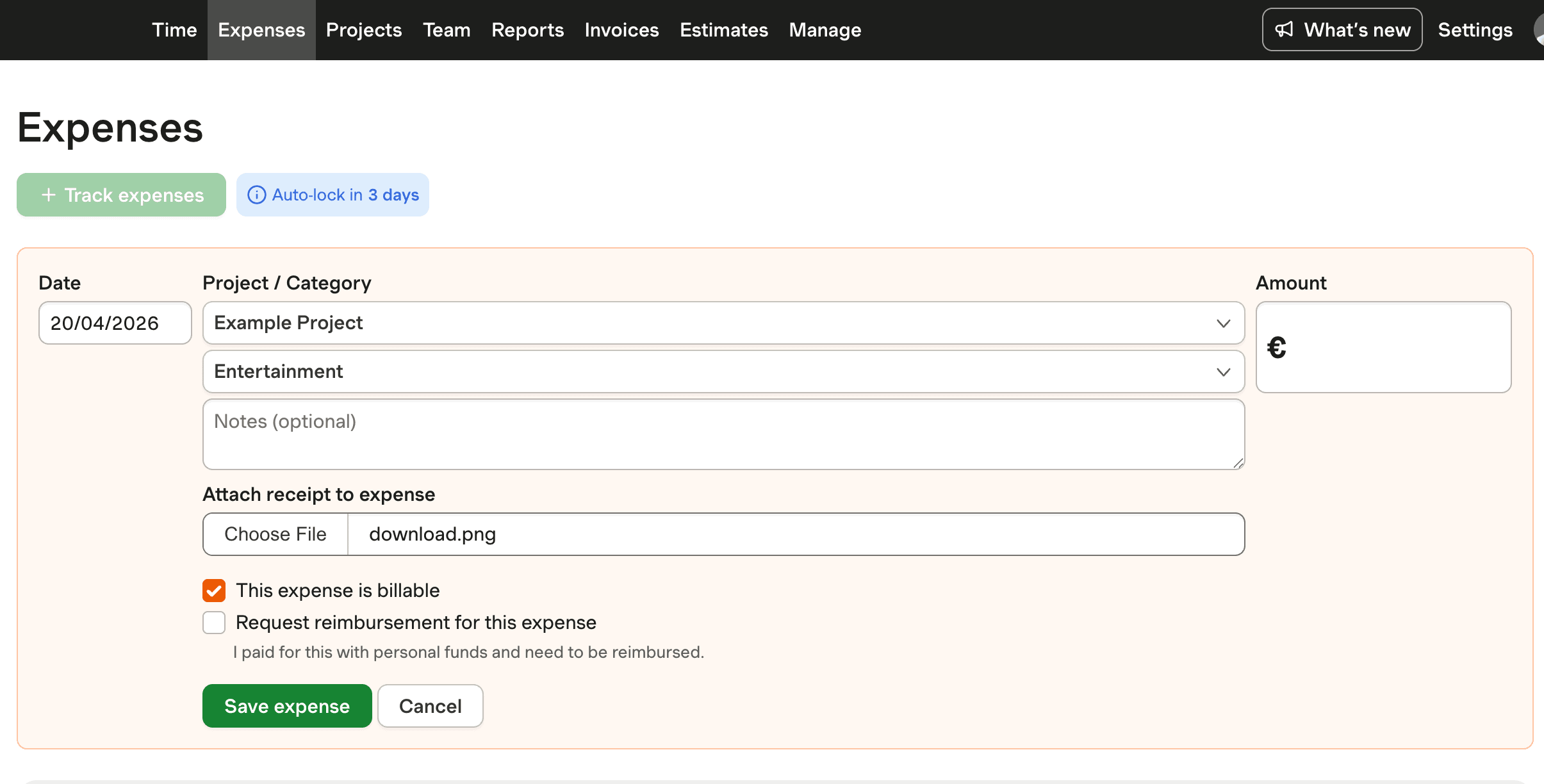
Discover how Harvest enables easy manual entry of business mileage, perfect for freelancers and small teams seeking accurate, compliant records.

Screenshot showing Harvest's manual mileage entry interface for tracking business mileage.

Best Way to Track Business Mileage FAQs

  • To track business mileage efficiently, use digital solutions that automate logging and classification. Automated GPS tracking can reduce reimbursement costs and save time. However, if simplicity is preferred, tools like Harvest allow manual entry of mileage, ensuring accuracy and compliance.

  • Harvest is suitable for mileage tracking due to its manual entry system, which allows users to input mileage quantities and rates easily. This approach is ideal for small teams and freelancers who prioritize simplicity and need detailed reports for tax deductions and reimbursements.

  • To ensure IRS compliance, maintain detailed records for each trip, including the date, starting location, destination, business purpose, and miles driven. Harvest helps support compliance by allowing manual entry of these details, ensuring accurate and audit-ready documentation.

  • The IRS requires detailed mileage logs, including the date, starting location, destination, business purpose, and total miles for each trip. Retain these records for at least three years, though seven years is recommended for audit protection.

  • Inadequate mileage tracking can lead to denied deductions and penalties during audits. Ensure compliance by using detailed logs and digital tools like Harvest to maintain accurate records of all business trips.

  • Prepare for an audit by maintaining comprehensive records of each business trip, including dates, locations, and purposes. Harvest's manual entry system allows you to create detailed logs that meet these requirements, reducing audit risks.