
Harvest
Expenses
Sign up

Mileage Tracker in Dutch

Harvest provides a solution for manual mileage tracking, allowing users to set custom rates and log trips to comply with Dutch tax regulations.

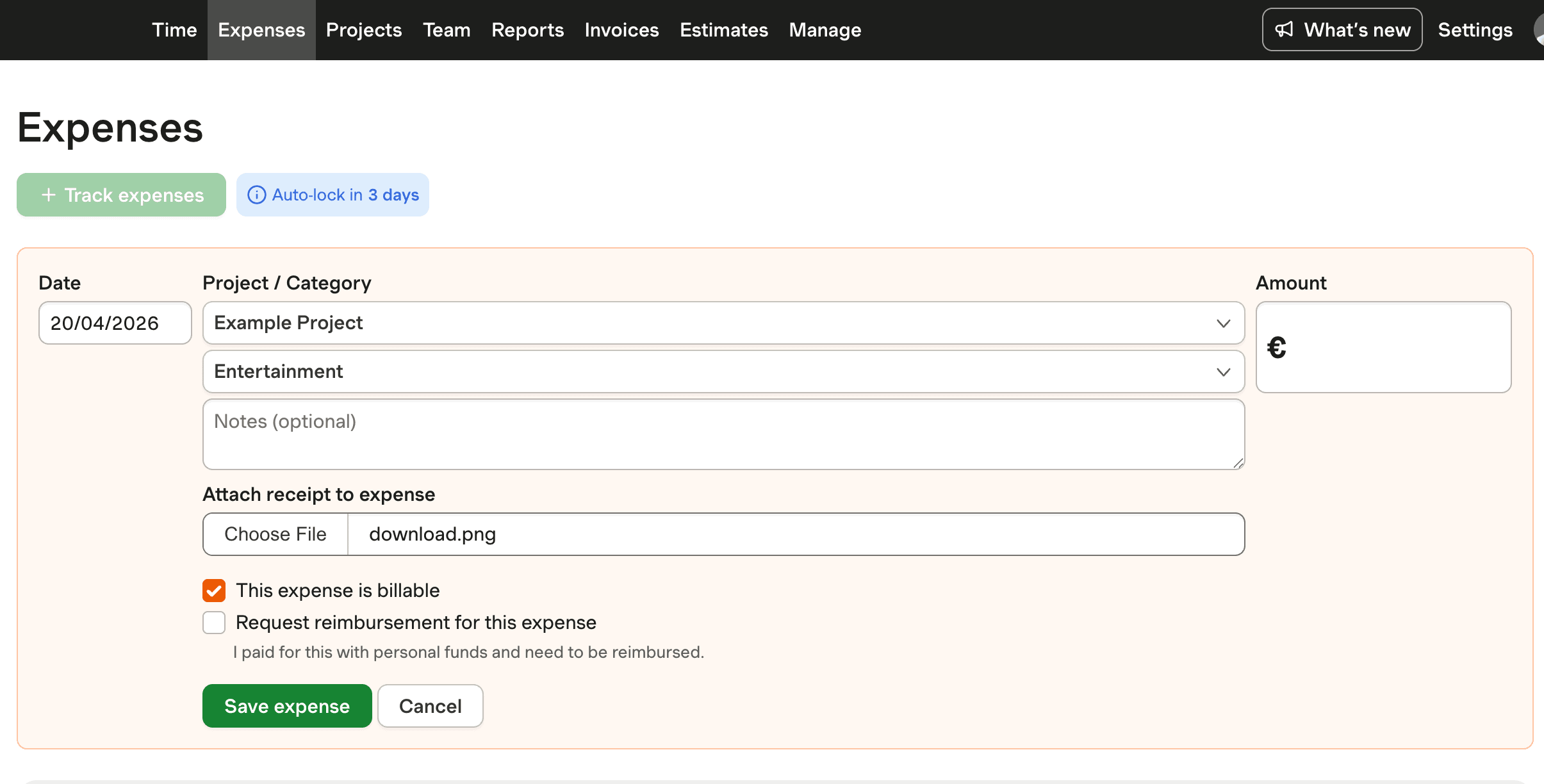
  • Attach receipts to projects & tasks
  • Turn tracked expenses into client invoices
  • Free 30-day trial, no credit card needed

or drag & drop • Images and PDFs, max 10 MB

Understanding Dutch Mileage Tracking Regulations

In the Netherlands, accurate mileage tracking is essential due to specific tax regulations. Businesses must comply with rules to avoid "bijtelling" — additional tax for private use of a company car if private mileage exceeds 500 kilometers annually. A comprehensive mileage log is required, detailing the date, start and end odometer readings, addresses, and purpose of the trip. Failure to maintain precise records can result in fines ranging from €131 to €5,278, and for larger companies, non-compliance with RVO reporting can lead to penalties up to €20,000.

Harvest offers a straightforward solution for managing these requirements. While it does not automate the differentiation between private and business mileage, users can manually log each trip, ensuring compliance with Dutch tax rules. Administrators can set custom mileage reimbursement rates within Harvest, aligning with the specific rates applicable in the Netherlands.
Efficiency Gains with Automatic Mileage Tracking

Switching from manual to automated mileage tracking can save significant time and reduce errors. The average manual log takes 2 to 4 hours monthly and often contains inaccuracies. Automated systems, widely adopted in sectors like construction and logistics, streamline this process and offer precise data, crucial for compliance and cost savings. For instance, entrepreneurs using accurate tracking can save thousands annually by avoiding unnecessary tax charges.

While Harvest does not offer automatic GPS-based tracking, it allows users to manually enter mileage data efficiently. This feature ensures that businesses can maintain a detailed log that meets Dutch regulatory requirements. Additionally, Harvest's ability to update reimbursement rates helps businesses manage travel expenses more accurately.

Adapting to Changes in Dutch Mileage Reporting

Recent regulatory changes have increased the administrative responsibilities for Dutch businesses. Since July 2024, companies with 100 or more employees must report business and commuting mileage to the RVO for CO2 tracking. This requirement, although under review, highlights the need for reliable mileage tracking systems.

Harvest provides a practical tool for businesses to adapt to these changes by offering a platform where mileage can be tracked and categorized. Although it does not automate CO2 reporting, the ability to manually log trips ensures compliance with current regulations. Harvest's flexibility in setting custom rates also aids in managing new reporting standards effectively.

Practical Tips for Effective Mileage Tracking

Effective mileage tracking begins with understanding your use case — whether you employ a company car or a personal vehicle for business purposes. Start by recording essential details for each trip: date, odometer readings, start and end addresses, and trip purpose. This detailed record-keeping is crucial for compliance and tax purposes.

For businesses seeking to streamline their process, Harvest offers a solution that supports manual entry of these details. While it does not provide automatic tracking, its user-friendly interface allows easy categorization of trips and setting of custom reimbursement rates, ensuring that businesses can efficiently manage their mileage logs and align with Dutch tax requirements.

Track Mileage with Harvest

Harvest allows manual mileage entry and custom rate settings, helping businesses comply with Dutch tax laws.

Harvest mileage tracking interface in Dutch context

Mileage Tracker in Dutch FAQs

  • In the Netherlands, businesses must maintain a detailed mileage log to avoid "bijtelling" for private car use exceeding 500 kilometers annually. Logs must include dates, odometer readings, addresses, and trip purposes.

  • To avoid bijtelling, maintain a precise mileage log showing less than 500 kilometers of private use annually. Harvest allows manual entry of business mileage, ensuring logs are kept accurate.

  • Reimbursement rates, like €0.23 per kilometer in 2026, are tax-free for business trips. Harvest lets you set custom rates, ensuring compliance with current Dutch standards.

  • Incomplete or incorrect mileage logs can lead to fines from €131 to €5,278. Accurate logging, supported by tools like Harvest, helps avoid such penalties.

  • Businesses with over 100 employees must report mileage for CO2 tracking. Although Harvest doesn't automate this, it offers a structured way to log each trip manually.