
Harvest
Expenses
Sign up

Cra Mileage Tracker

Harvest offers a simple way to track mileage expenses manually, perfect for small teams needing to invoice clients for travel. Simplify your CRA compliance.

EXPENSE REPORT DRAFT

Drop your receipts here or click to upload

Images and PDFs (max 10 MB each)

Date
Category
Merchant
Description
Amount
Total
$0.00

Customise report

Appearance

Show report title

Report settings

Understanding CRA Mileage Tracking Requirements

To comply with the Canada Revenue Agency (CRA) regulations, maintaining a detailed mileage log is essential for anyone claiming vehicle expenses for business purposes. The CRA mandates that logs include the date, destination, purpose of the trip, and odometer readings at the start and end of each trip. This ensures precise calculation of kilometres driven.

For those utilizing a vehicle for business, it’s crucial to record odometer readings at the beginning and end of the year to establish total annual mileage. The CRA provides two methods for tracking: the Full-Year Detailed Logbook, which requires year-long records, and the Simplified Logbook, which allows for a three-month sample after a base year of detailed logging. Adhering to these requirements can prevent disallowed deductions and penalties during CRA audits.
The Shift to Digital Mileage Tracking

Digital solutions have revolutionized how businesses and individuals track mileage for CRA compliance. While paper logs are still accepted, electronic records are gaining popularity due to their convenience and accuracy. The CRA accepts digital records as long as they contain all required details and can be readily presented during an audit.

Digital mileage tracking applications reduce human error and streamline the documentation process. These apps often utilize GPS to automatically record trips, making it easier to categorize business versus personal mileage and generate reports compliant with CRA standards. This shift not only enhances accuracy but also saves significant time compared to manual tracking.

Common Challenges and Solutions in Mileage Tracking

Manual mileage tracking often leads to errors such as omitted personal trips or estimated rather than actual distances, which can result in disallowed claims. Additionally, failing to record year-end odometer readings or losing vehicle expense receipts are common pitfalls that can complicate CRA audits.

Many have addressed these challenges by adopting GPS-based mileage tracking apps that automatically log trips and categorize them accurately. This approach helps streamline expense report submissions and ensures compliance with CRA requirements. Accurate tracking can also result in claiming an additional 5% in deductions, offering financial benefits alongside compliance.

Leveraging Harvest for Mileage Expense Tracking

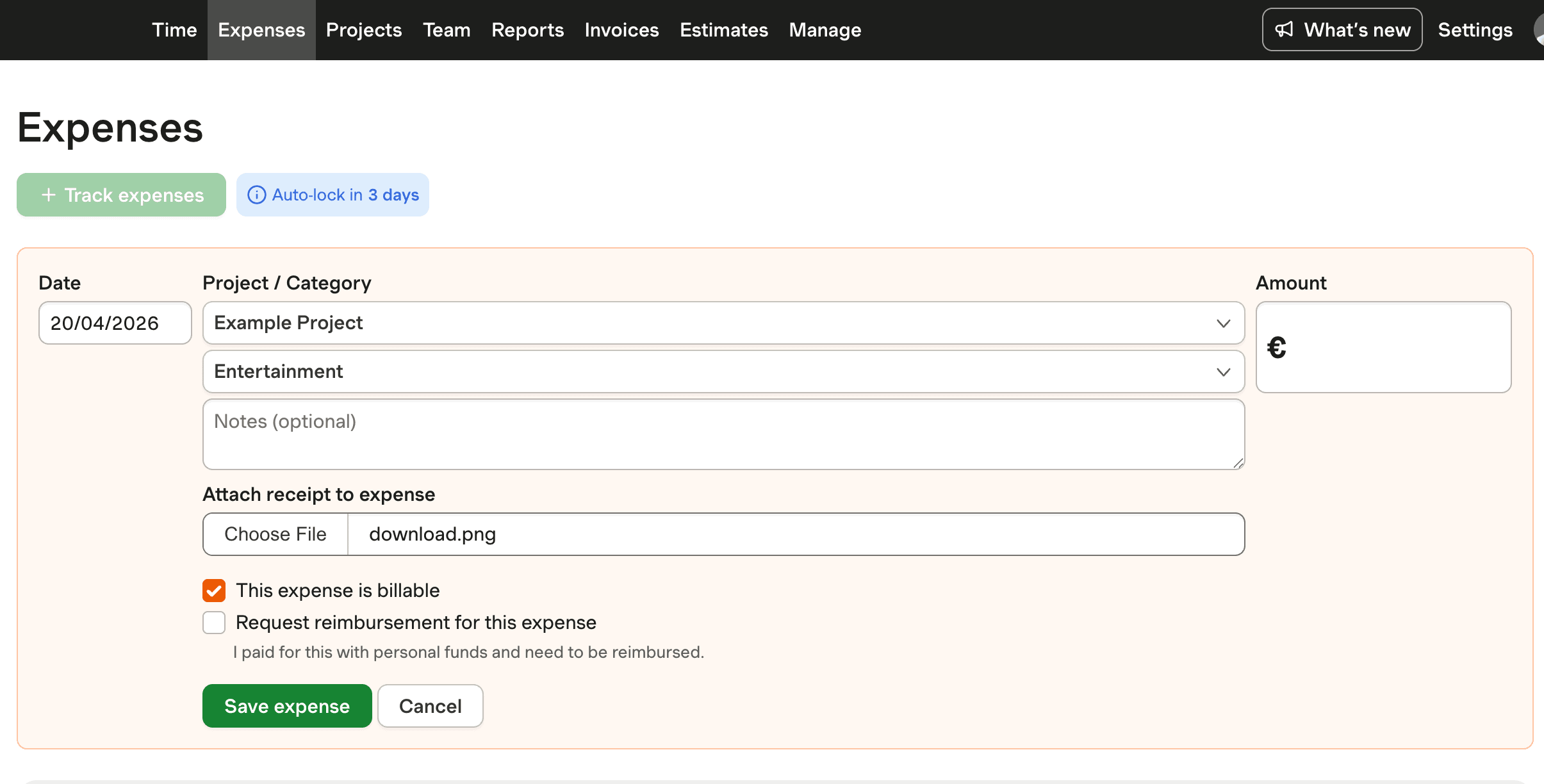
While Harvest does not offer CRA-specific logbook methods, it provides a straightforward way to track mileage expenses manually, ideal for small teams needing to invoice clients for travel. Users can input mileage as a quantity and set a custom rate per kilometre, ensuring that travel expenses are accurately billed to clients.

Harvest's platform facilitates the manual entry of mileage as part of project expenses, offering a solution for businesses that need a simple yet effective way to track and invoice travel-related costs. Although it does not differentiate between personal and business mileage, it serves as a valuable tool for managing project-based travel expenses.

Track Mileage with Harvest

See how Harvest helps you track mileage expenses for CRA compliance, ideal for invoicing clients for travel.

Harvest interface showing mileage tracking for CRA compliance.

Cra Mileage Tracker FAQs

  • The CRA requires detailed logs including the date, destination, purpose, and odometer readings for each trip. This is crucial for claiming vehicle expenses.

  • Accurate mileage tracking can potentially increase your deductions by an additional 5%. Using digital tools reduces errors and ensures compliance with CRA standards.

  • A CRA mileage log must include the date, destination, purpose of the trip, and odometer readings at the start and end. Yearly odometer readings are also required.

  • Harvest allows users to manually enter mileage as a project expense, setting custom rates per kilometre to facilitate accurate client invoicing for travel expenses.

  • Digital apps offer convenience and accuracy by automatically logging trips and categorizing mileage. They save time and reduce errors compared to manual logs.

  • A detailed logbook is crucial as it serves as the best evidence to support vehicle expense claims, preventing disallowed deductions or penalties during audits.

  • Harvest does not differentiate between personal and business mileage but allows for mileage to be tracked as a project expense for invoicing purposes.