
Harvest
Expenses
Sign up

Paperless Expense Reporting

Harvest simplifies paperless expense reporting by integrating expense tracking with accounting software, cutting processing time by up to 70%.

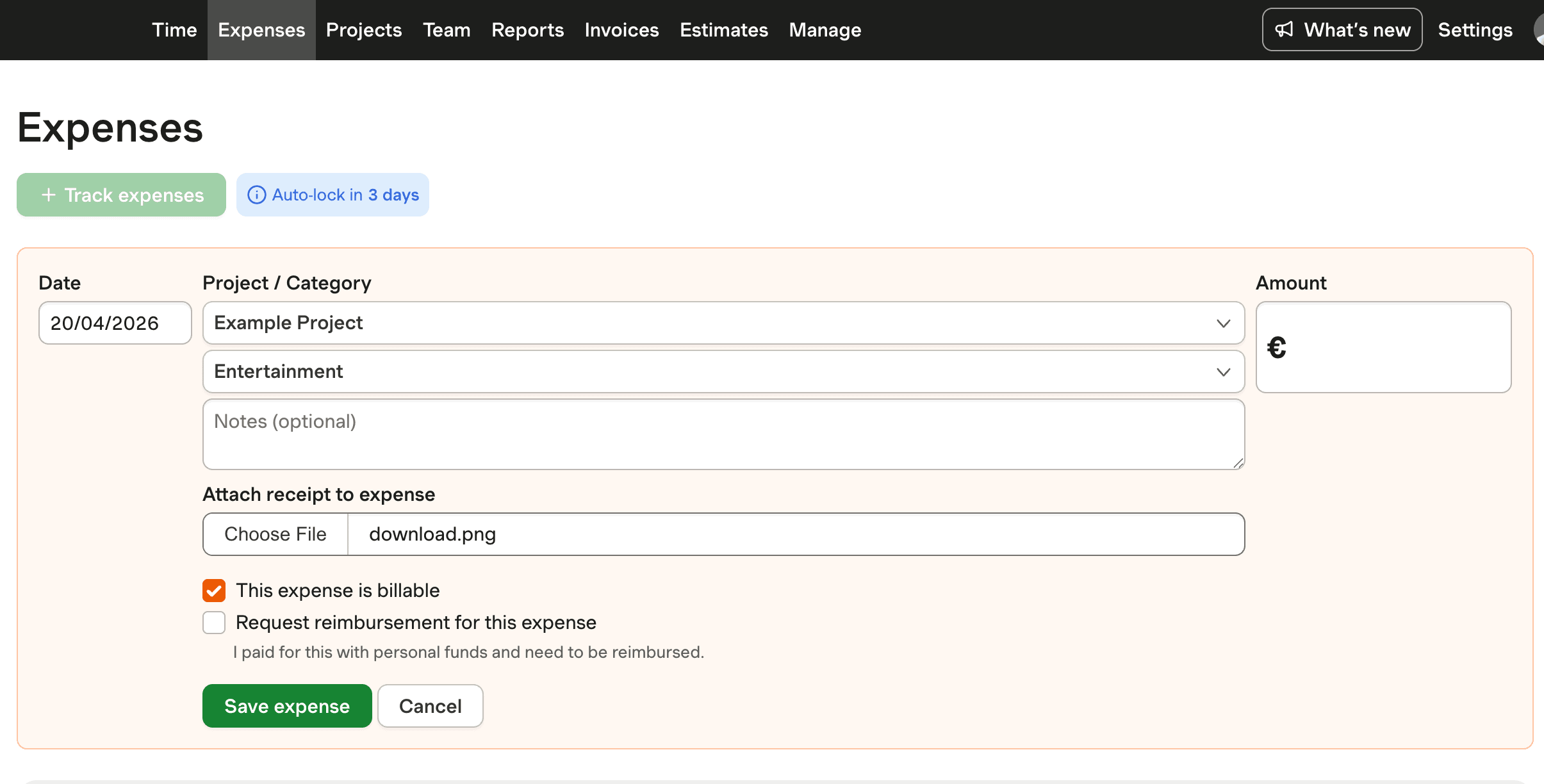
  • Attach receipts to projects & tasks
  • Turn tracked expenses into client invoices
  • Free 30-day trial, no credit card needed

or drag & drop • Images and PDFs, max 10 MB

Streamline Your Expense Management with Harvest

Transitioning to paperless expense reporting can drastically cut costs and improve efficiency. Companies adopting digital systems often see processing costs drop by over 50% compared to paper-based methods. These solutions not only save money but also reduce processing time by up to 70%, allowing finance teams to focus on strategic tasks. With Harvest, small-to-medium businesses can easily manage expenses by uploading digital receipts and integrating with accounting software like QuickBooks Online and Xero. This integration ensures seamless financial management, crucial for businesses looking to optimize their processes.

Harvest's project-based expense tracking is perfect for growing teams. The software’s scalability means it can grow with your business, providing a robust solution as your needs evolve. While Harvest doesn’t offer real-time receipt scanning, it supports manual uploads, allowing you to maintain digital records efficiently. This feature helps in reducing the traditional errors associated with paper processes, where 19% of reports typically have mistakes.
Legal Compliance in Paperless Expense Reporting

Ensuring legal compliance in digital expense reporting is vital for any business transitioning to a paperless system. The IRS in the United States, for instance, accepts digital records as legally equivalent to paper originals, provided they are accurate, complete, and retrievable for audits. Similarly, HMRC in the UK and the ATO in Australia have guidelines for maintaining digital records, emphasizing the need for accuracy and proper retention.

While Harvest doesn’t provide specific compliance features for various jurisdictions, it allows users to upload digital receipts, supporting the creation of compliant documentation. This capability helps meet basic legal requirements by ensuring receipts are legible and stored securely. By using Harvest, businesses can focus on maintaining compliance through accurate record-keeping and timely submission of expense reports, adhering to local regulations without manual paperwork hassles.

Integrate Harvest with Your Existing Accounting Systems

For businesses seeking to integrate their expense management with existing accounting software, Harvest offers a seamless solution. By connecting with popular platforms like QuickBooks Online and Xero, Harvest ensures that expense data flows directly into your financial records, minimizing the need for manual data entry. This integration is critical for maintaining data accuracy and streamlining financial reporting processes.

Real-time visibility into spending is another advantage of integrating Harvest with your accounting systems. Managers can gain insights into spending patterns, helping optimize budgets and improve financial control. While Harvest does not offer automated categorization of expenses, it allows manual categorization, ensuring that your records are organized and easy to manage. This integration capability is essential for businesses looking to enhance their financial management practices efficiently.

Steps to Transition to a Paperless Expense System

Transitioning to a paperless expense reporting system can be straightforward with the right approach. First, select a software like Harvest that offers ease of use and robust integration features. Harvest supports manual receipt uploads, ensuring that your digitized expenses are accessible and organized.

  1. Select the Right Software: Choose Harvest for its simplicity and integration capabilities with accounting software.
  2. Implement a Pilot Program: Test the system on a small scale to understand its effectiveness and gather feedback.
  3. Integrate with Existing Systems: Ensure Harvest is seamlessly connected with your existing accounting tools.
  4. Define Clear Policies: Establish comprehensive expense policies to guide employee submissions and approvals.
  5. Encourage Real-time Tracking: Train employees to upload receipts immediately after expenses occur, using mobile devices to capture images.

By following these steps, businesses can effectively transition to a paperless system, improving efficiency and reducing costs associated with manual processes.

Common Pitfalls in Paperless Expense Reporting and How to Avoid Them

Even with a paperless system, businesses can encounter pitfalls that hinder efficiency. One common mistake is delaying the capture of receipts, which can lead to documentation loss. Harvest encourages real-time uploads, helping to prevent this issue by allowing employees to submit expenses as they occur.

Another challenge is inaccurate categorization of expenses, which can complicate financial reporting. Although Harvest doesn’t offer automated categorization, it supports manual categorization, ensuring accuracy. Moreover, neglecting to back up digital files can pose a risk. Harvest’s integration with cloud-based accounting systems helps mitigate this by providing secure storage for all expense data. By addressing these common issues, businesses can maximize the benefits of their paperless expense reporting system.

Harvest Paperless Expense Reporting

Explore how Harvest facilitates paperless expense reporting by integrating with accounting software, enhancing efficiency and control.

Harvest dashboard showing paperless expense reporting features.

Paperless Expense Reporting FAQs

  • Paperless expense reporting offers significant cost savings, reducing processing costs by over 50%. It also cuts processing time by up to 70%, freeing up resources for strategic tasks and enhancing data accuracy by reducing errors and fraud risks.

  • Harvest facilitates paperless expense reporting by allowing manual receipt uploads and integrating seamlessly with accounting software like QuickBooks Online and Xero. This integration streamlines financial management, ensuring data accuracy and efficient reporting.

  • To ensure compliance, digital receipts must be accurate, complete, and retrievable for audits. Regulations like those from the IRS in the US and HMRC in the UK recognize digital records as legally acceptable, provided they meet these criteria.

  • Begin by selecting the right software like Harvest, which integrates well with existing systems. Implement a pilot program, define clear policies, and encourage real-time tracking to ensure a smooth transition to paperless expense reporting.

  • Yes, Harvest integrates with popular accounting software such as QuickBooks Online and Xero, ensuring that expense data flows directly into your financial records, minimizing manual data entry and enhancing data accuracy.

  • Common mistakes include delaying receipt capture and inaccurate expense categorization. Harvest helps mitigate these issues by encouraging real-time uploads and supporting manual categorization, ensuring organized and accurate records.