
Harvest
Expenses
Sign up

Receipt Scanner in Hebrew

Harvest offers a practical solution for expense management by allowing manual receipt uploads, ideal for teams needing straightforward processing without OCR.

  • Attach receipts to projects & tasks
  • Turn tracked expenses into client invoices
  • Free 30-day trial, no credit card needed

or drag & drop • Images and PDFs, max 10 MB

The Challenges of Scanning Hebrew Receipts

Scanning Hebrew receipts poses unique challenges due to the language's right-to-left script and frequent use of bidirectional text, where Hebrew and English intermingle on the same document. This can complicate data extraction, especially when receipts include numbers and codes that use Latin numerals. Additionally, general OCR software often lacks the capability to accurately process Hebrew text, requiring specialized solutions to manage these complexities effectively.

To address these challenges, businesses in Israel are increasingly adopting digital solutions that integrate with their existing financial systems. As the digital transformation market in Israel continues to grow, with small and medium enterprises (SMEs) leading the charge at a 3.58% CAGR, the need for efficient receipt processing solutions becomes even more pressing. However, when it comes to expense management, Harvest offers an alternative approach by allowing users to upload receipt images and manually enter data, providing a straightforward method for teams to manage expenses without relying on OCR technology.
Harvest's Approach to Expense Management

While many businesses are seeking advanced OCR solutions for seamless expense tracking, Harvest offers a practical alternative for those who prefer manual input. This can be particularly useful in situations where OCR might struggle, such as with poorly formatted or damaged receipts. With Harvest, users can upload receipt images from their devices, taking advantage of its cross-platform availability on web, macOS, Windows, iOS, Android, and browser extensions.

Harvest's system is designed to integrate smoothly with project-based expense tracking, allowing teams to manage their expenses efficiently without the need for OCR. This manual process ensures accuracy by allowing users to verify each entry, which is crucial when dealing with complex documents like Hebrew receipts. Although Harvest does not support direct OCR, its flexibility and ease of use make it an excellent choice for businesses looking to simplify their expense management processes.

Integrating Receipt Management with Accounting Systems

For businesses seeking to streamline their financial workflows, integrating receipt management with accounting systems is essential. While OCR solutions can automate data entry, Harvest provides a different advantage by allowing users to export expense reports to CSV or Excel, facilitating easy integration with various accounting platforms. This feature ensures that financial data can be efficiently transferred and reconciled within existing systems.

In the context of Israel's evolving e-invoicing landscape, where businesses are preparing for mandatory digital compliance, having a flexible tool like Harvest can be beneficial. Although it does not offer direct syncing with platforms like QuickBooks, its export functionality helps maintain accurate financial records, aligning with the broader trend of digital transformation in the region. By utilizing Harvest's capabilities, businesses can ensure their financial data is organized and ready for compliance with new regulations.

Preparing for Israel's Digital Transformation

As Israel moves towards a fully digital tax administration system, businesses must adapt to new e-invoicing requirements and embrace digital tools. The shift to a mandatory B2B e-invoicing system, starting in May 2024, underscores the importance of efficient document processing solutions. This transition is part of a broader digitalization cascade, prompting many businesses to adopt other digital tools alongside e-invoicing.

Harvest's receipt upload and manual entry capabilities can aid businesses during this transition by providing a reliable method to manage expenses while they adjust to new systems. As SMEs in Israel increase their technology spending, incorporating tools like Harvest can help ensure businesses remain agile and compliant in a rapidly changing environment. This approach aligns with the market's demand for practical, easy-to-use solutions as companies digitize their operations.

Manage Hebrew Receipts with Harvest

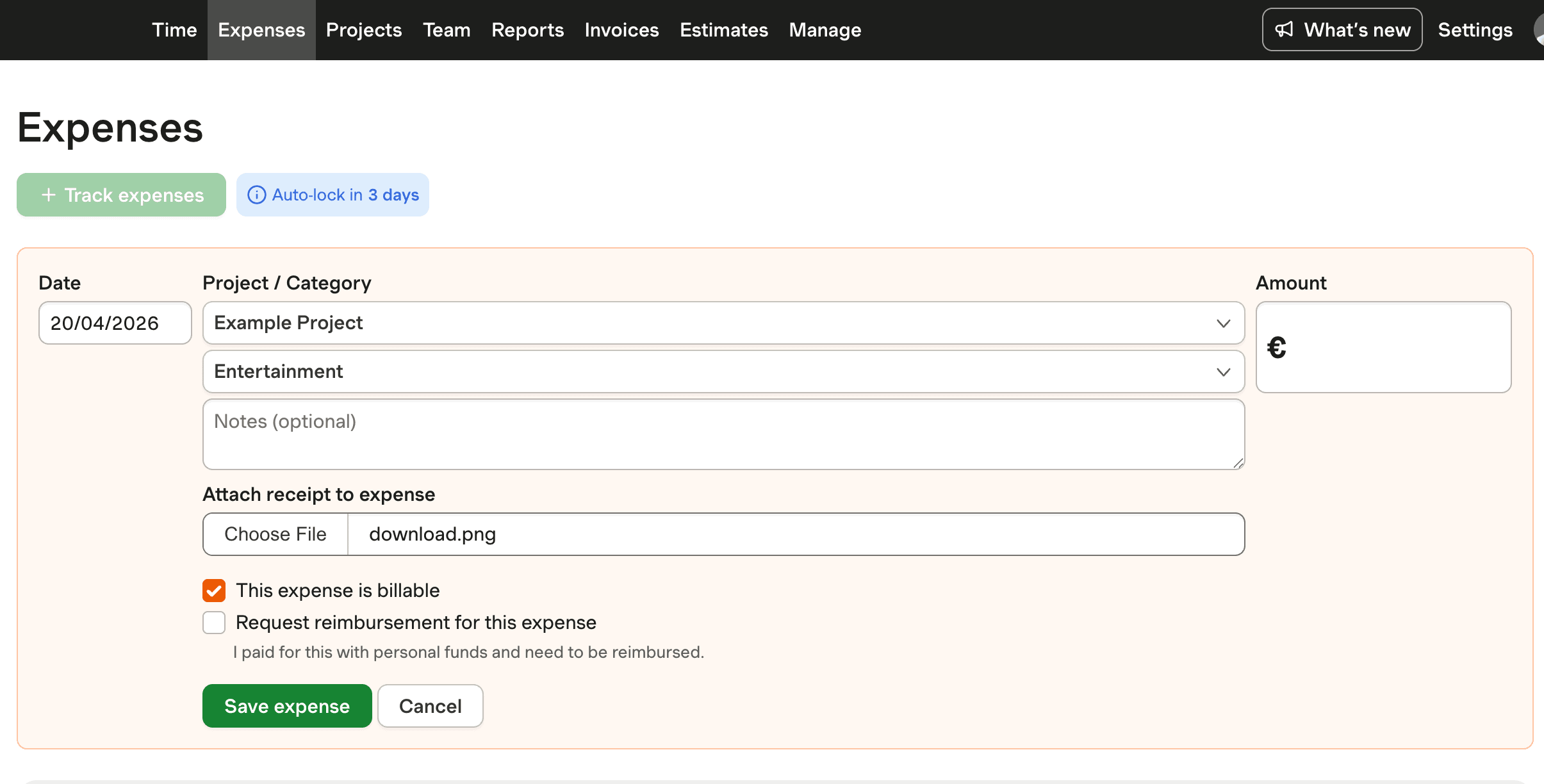
See how Harvest allows manual receipt uploads for effective Hebrew expense management, ideal for teams without OCR needs.

Harvest interface showing manual receipt upload for Hebrew expenses

Receipt Scanner in Hebrew FAQs

  • OCR tools for Hebrew receipts must manage right-to-left text and bidirectional content. Specialized solutions are required to accurately read Hebrew scripts alongside numbers and English text.

  • For best results, capture high-resolution images of Hebrew receipts, ensuring good lighting and clarity. High-quality scans improve OCR accuracy, especially for Hebrew receipts with complex text layouts.

  • Businesses can manage Hebrew receipts without OCR by using tools like Harvest, which allow manual entry of receipt data after uploading images. This method ensures accuracy and control over data entry.

  • Manual receipt data entry ensures accuracy, especially for complex documents like Hebrew receipts. It allows verification of each entry, reducing errors that automated systems might miss.

  • Harvest can export expense reports to CSV or Excel, which can be imported into various accounting systems. This facilitates easy integration and helps maintain organized financial records.

  • Israel is implementing a mandatory B2B e-invoicing system to enhance VAT compliance. Businesses must pre-clear invoices via the SHAAM platform, representing a shift to real-time validation.

  • Digital transformation in Israel offers cost savings, improved accuracy, and faster invoice processing. It prepares businesses for AI and digital workflows, aligning with the global move towards digital finance.