
Harvest
Expenses
Sign up

Expense Management Software in Hebrew

Harvest offers mobile solutions for managing expenses on the go, ideal for freelancers and small businesses. However, it lacks specific features for the Israeli market.

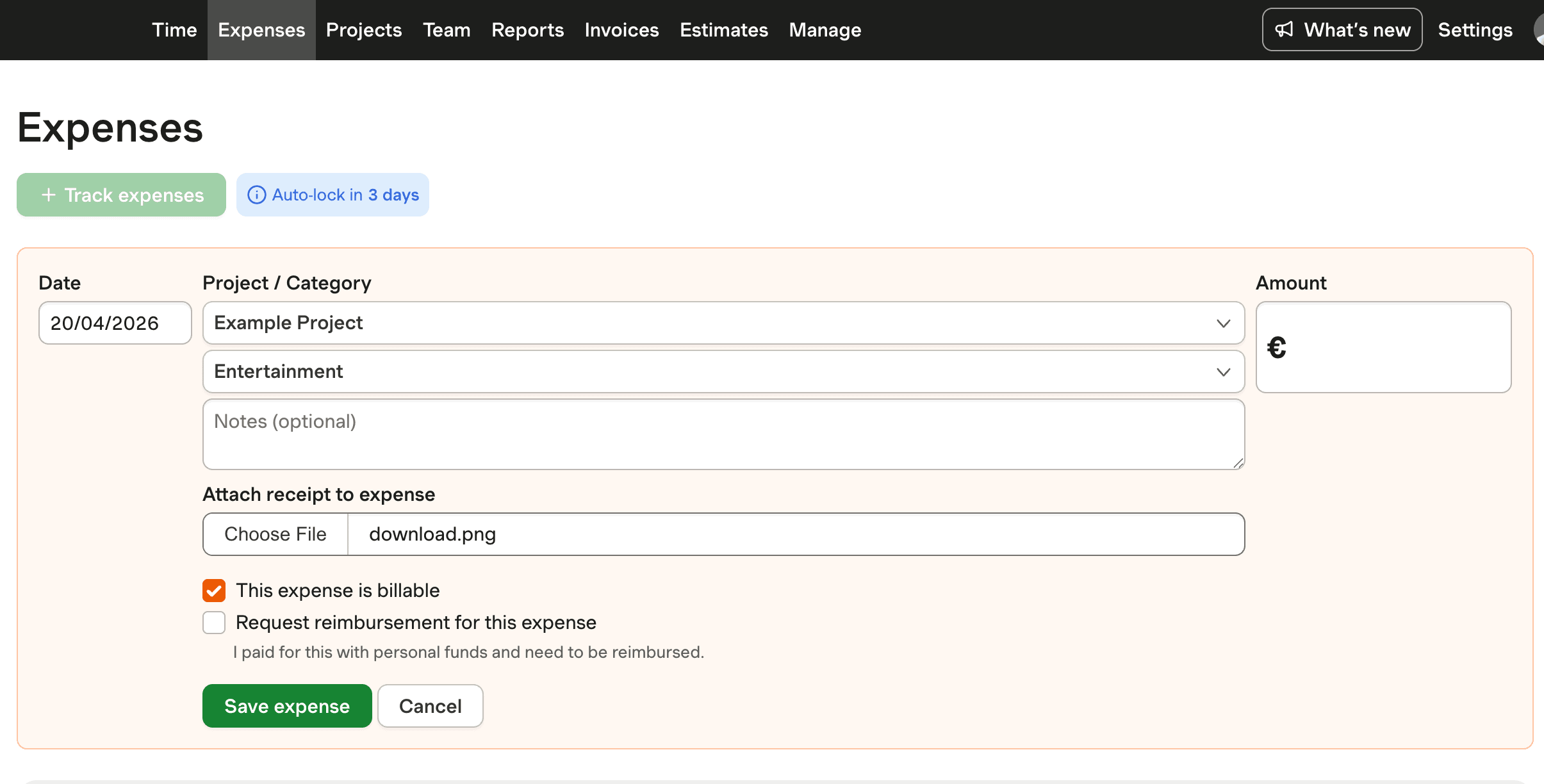
  • Attach receipts to projects & tasks
  • Turn tracked expenses into client invoices
  • Free 30-day trial, no credit card needed

or drag & drop • Images and PDFs, max 10 MB

The Growing Demand for Expense Management Software in Hebrew

As businesses in Israel continue to grow, the demand for expense management software that caters specifically to Hebrew-speaking users is on the rise. The global expense management software market is projected to reach USD 17 billion by 2032, with cloud-based solutions dominating over 60% of the market by 2026. This trend is driven by the need for flexible, accessible, and scalable solutions that can streamline financial processes.

Despite the lack of specific Hebrew-language market data, it's clear that companies are increasingly looking for tools that integrate seamlessly with local financial systems and comply with Israeli regulations. Approximately 82% of organizations prioritize integration capabilities when choosing an expense management tool, highlighting the importance of software that can connect with ERP and accounting platforms for real-time financial insights.
Challenges of Adopting Expense Management Software in Israel

One of the primary challenges for Israeli businesses is finding expense management software that complies with local tax regulations and integrates with Israeli banks. Currently, 61% of enterprises report improved compliance with financial regulations through automation, yet specific solutions tailored to Israel remain limited.

While Harvest offers mobile solutions ideal for freelancers and small businesses, it's important to note that it does not provide specific features for Israeli legal compliance or integrate with local payment processors. This means that while Harvest can streamline expense tracking, businesses may still require additional solutions to meet local regulatory requirements.

How Mobile Solutions Are Changing Expense Management

Mobile applications are revolutionizing expense management, with 54% of expense report submissions being made through mobile apps in 2021. By 2025, it's expected that 75% of businesses will primarily use mobile apps for managing expenses. Harvest capitalizes on this trend by offering robust mobile apps for iPhone and Android, allowing users to manage expenses on the go.

These mobile capabilities are particularly beneficial for freelancers and small business owners who need a flexible and efficient way to capture and submit expenses. By enabling real-time receipt capture and submission, mobile apps reduce processing time by 41%, significantly enhancing the user experience and improving financial oversight.

AI and Automation: The Future of Expense Management

AI and automation are transforming how expenses are managed, with 73% of companies implementing AI-powered tools to improve accuracy and streamline processes. These technologies automate receipt processing, expense categorization, and policy compliance checks, reducing human errors and freeing up employees for higher-value tasks.

While Harvest leverages automation to simplify project-based expense tracking, it does not yet offer AI-powered compliance with Israeli regulations. However, businesses can benefit from Harvest's ability to automate routine tasks, making it easier to manage expenses efficiently and focus on strategic financial planning.

The Importance of Integration in Expense Management

Integration with existing financial systems is critical for effective expense management, reducing manual data entry and providing real-time insights into a company’s financial health. Currently, about 69% of companies integrate their expense management systems with accounting software, enhancing financial visibility and accuracy.

Although Harvest does not integrate with local Israeli financial institutions, it supports integration with platforms like Stripe and PayPal, facilitating online payment processes. This makes Harvest a viable option for businesses seeking to streamline their expense management with existing online financial tools.

Harvest's Expense Management in Hebrew

See how Harvest's mobile solutions streamline expense management for Hebrew-speaking users, ideal for freelancers and small businesses.

Screenshot of Harvest's expense management dashboard tailored for Hebrew-speaking users.

Expense Management Software in Hebrew FAQs

  • Mobile apps play a crucial role in expense management by allowing users to capture and submit expenses in real time, increasing efficiency. In 2021, 54% of expense reports were submitted via mobile apps, a trend expected to grow.

  • AI and automation enhance expense management by automating tasks like receipt processing and policy compliance checks. This reduces human error and frees up employees for more strategic tasks, improving overall accuracy by 46%.

  • Integration with financial systems like ERP and accounting software is essential as it reduces manual data entry and provides real-time financial insights. About 69% of companies integrate their expense systems for better visibility.

  • For Israeli businesses, features that ensure compliance with local tax regulations and integrate with local banks are crucial. Automation and mobile functionality also play significant roles in enhancing efficiency and accuracy.

  • Harvest provides mobile solutions for managing expenses, beneficial for freelancers and small businesses. However, it does not offer specific features tailored for Israeli legal compliance or integrate with local banks.

  • SMEs often face challenges in adopting expense management software due to stagnant adoption rates, ranging from 39% to 47%. This can lead to compliance and visibility issues without the right tools to streamline processes.

  • Businesses can automate processes by implementing software that handles data entry, receipt capture, and report generation. This reduces errors and saves time for both employees and finance teams, boosting overall efficiency.