
Harvest
Expenses
Sign up

Technology Expense Management Solutions

Harvest is perfect for small-to-medium businesses needing efficient project-based expense tracking and invoicing. Simplify your expense management with Harvest.

EXPENSE REPORT DRAFT

Drop your receipts here or click to upload

Images and PDFs (max 10 MB each)

Date
Category
Merchant
Description
Amount
Total
$0.00

Customise report

Appearance

Show report title

Report settings

The Importance of Technology Expense Management

Technology expense management (TEM) is increasingly crucial for organizations aiming to control costs, boost efficiency, and maintain compliance in today's digital age. According to market projections, the TEM market is expected to grow to $13.15 billion by 2030, reflecting a compound annual growth rate (CAGR) of 10.2% from 2022. This growth underscores the increasing reliance on effective TEM solutions to manage the diverse array of technology services used by businesses today.

Organizations implementing comprehensive TEM programs have reported significant cost savings, with potential reductions of up to 30% of their total technology spend. This is especially critical in industries with high IT expenditure, such as financial services and healthcare, where IT spending can account for 7-10% and 3-5% of revenue, respectively. By streamlining these expenses, businesses can redirect resources toward innovation and growth.
Challenges in Managing Technology Expenses

Managing technology expenses comes with its own set of challenges, from poor visibility into spending to complicated processes and rigid contracts. For instance, many organizations struggle with inadequate budgeting and forecasting, leading to financial inefficiencies and unexpected expenses. Additionally, the lack of scalability in some solutions can hinder growing businesses, while insufficient provider support can delay implementation and integration.

Harvest addresses these challenges by offering a simplified, project-based expense tracking system. Although not a full-fledged TEM solution, Harvest excels in providing small-to-medium businesses with the tools to track and invoice project-related expenses efficiently. This ensures clear visibility of project costs without the complexity often associated with larger TEM systems.

Leveraging Automation for Expense Management

Automation plays a pivotal role in modernizing technology expense management processes. Automated systems can reduce the cost of processing individual expense claims by up to 78%, making them indispensable for businesses looking to optimize their operations. By 2028, it's anticipated that 50% of organizations will use Artificial Intelligence (AI) to replace traditional forecasting methods, leading to increased efficiency and accuracy.

While Harvest does not offer AI-driven insights for managing technology spend, it provides robust tools for manual expense tracking and reporting. This allows businesses to maintain control over their project expenses and streamline invoicing. The simplicity of Harvest’s platform ensures that even small teams can benefit from automation without the need for complex integrations or AI capabilities.

Best Practices for Effective Expense Management

Implementing effective technology expense management requires strategic planning and execution. Key best practices include conducting thorough audits of all expenses, establishing clear policies for technology use, and implementing centralized systems for tracking and management. Moreover, continuous monitoring and vendor negotiation are essential for optimizing costs.

Harvest supports these best practices by offering a centralized system for project-based expense tracking. Although it does not provide full integration with IT asset management, its focus on project expenses helps businesses maintain a clear view of their financials. This approach enables organizations to simplify their expense management processes and avoid common pitfalls such as complex systems and lack of visibility.

The Future of Technology Expense Management

The future of technology expense management is set to be shaped by advances in AI and automation. As organizations increasingly adopt these technologies, they can expect improved accuracy in expense categorization and forecasting. Moreover, 86% of companies using AI in production foresee at least a 6% revenue growth, illustrating the potential benefits of integrating AI into TEM solutions.

While Harvest does not offer AI-driven features, it remains a valuable tool for businesses seeking straightforward project-based expense tracking. Its focus on simplicity and efficiency makes it an ideal choice for small-to-medium businesses looking to optimize their project expenses without the complexity of larger TEM solutions.

Explore Harvest for Technology Expense Management

Harvest offers project-based expense tracking for small-to-medium businesses, enhancing visibility and efficiency in managing technology expenses.

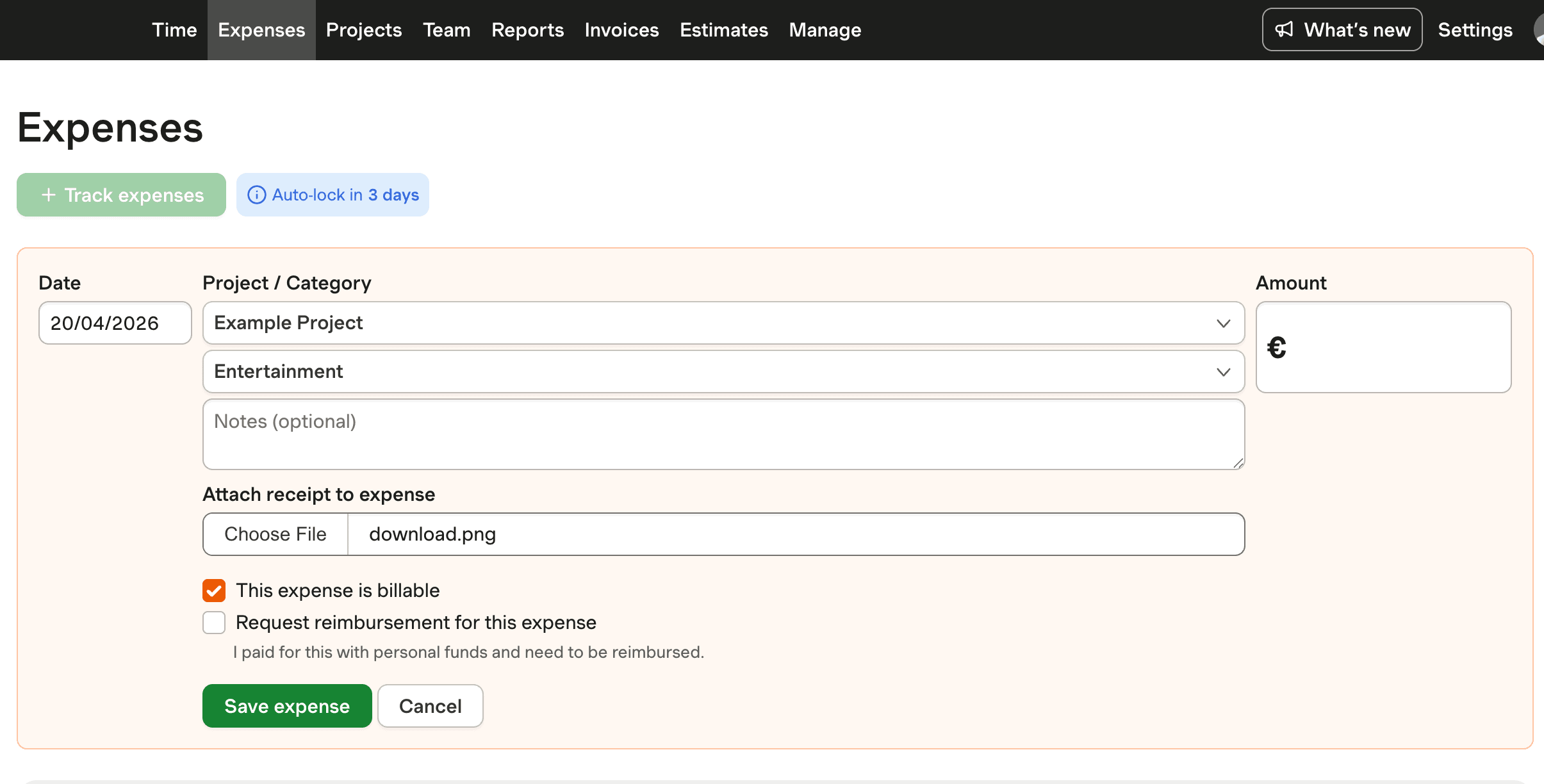
Harvest dashboard showcasing expense tracking for technology management.

Technology Expense Management Solutions FAQs

  • Technology expense management is vital for controlling costs, enhancing efficiency, and ensuring compliance. With the TEM market projected to reach $13.15 billion by 2030, effective management can lead to cost savings of up to 30%.

  • Common challenges include poor visibility into spending, inadequate budgeting, and complex processes. Businesses often struggle with rigid contracts and insufficient support from providers.

  • Automation significantly reduces processing costs for expense claims, by up to 78%. It enhances accuracy and efficiency, allowing businesses to streamline their operations.

  • Conduct thorough audits, implement centralized tracking systems, and establish clear usage policies. Continuous monitoring and vendor negotiation are also essential.

  • Harvest provides efficient project-based expense tracking and invoicing for small-to-medium businesses, offering clear visibility of project costs.

  • AI improves accuracy in expense categorization and forecasting. By 2028, 50% of organizations are expected to use AI for budget forecasting.

  • Industries with high IT spending, like financial services and healthcare, benefit greatly. These sectors face significant costs from data breaches and regulatory penalties.