
Harvest
Expenses
Sign up

Track Overhead Expenses

Harvest tracks project-specific expenses, aiding businesses in maintaining comprehensive financial records and supporting strategic financial management.

  • Attach receipts to projects & tasks
  • Turn tracked expenses into client invoices
  • Free 30-day trial, no credit card needed

or drag & drop • Images and PDFs, max 10 MB

Understanding Overhead Expenses

Overhead expenses are indirect costs not directly tied to the production of goods or services but are crucial for the operational running of a business. These costs include rent, utilities, administrative salaries, and insurance. Managing these expenses effectively is vital, as they can significantly impact a company's financial health and profitability. High overhead expenses can lead to reduced profit margins, even with strong sales, resulting in lower net income and potential cash flow issues.

In industries like healthcare, overhead can account for 50-60% of revenues, which is substantial. By understanding and categorizing overhead costs into fixed (e.g., rent, insurance) and variable (e.g., utilities, office supplies) expenses, businesses can better manage their financial resources. Regularly reviewing and analyzing these costs helps identify trends and inefficiencies, allowing for more strategic and informed decisions.
Leveraging Technology for Expense Management

In the modern business environment, digital transformation and automation are key to managing overhead expenses effectively. Many businesses are turning to cloud-based accounting systems and AI-driven analytics tools to streamline processes and gain real-time insights into their expenses. This shift is crucial as manual tracking methods, such as spreadsheets, are prone to errors and can delay financial reporting.

For example, using accounting software can automatically track and categorize expenses, providing businesses with up-to-date financial visibility. This technological approach not only reduces manual errors but also improves the speed and accuracy of financial reporting. Moreover, by adopting these tools, companies can forecast more accurately and implement proactive cost-reduction strategies, enhancing overall profitability.

Strategic Approaches to Reducing Overhead Costs

Reducing overhead expenses requires strategic planning and regular evaluation. One effective method is re-evaluating office space needs, especially with the rise of remote work models. According to Deloitte, 40% of executives expect a decrease in office occupancy rates, presenting opportunities to cut down on rent and utilities. Additionally, businesses can explore outsourcing non-core functions like IT support or HR to reduce employee-related costs.

Another practical approach is to negotiate contracts with suppliers and service providers to secure better rates and payment terms. Going paperless is also an effective strategy, potentially saving $80 per employee annually on paper alone. Furthermore, embracing energy-efficient technologies can lead to significant savings on utility bills. By adopting these strategies, businesses can not only reduce overhead costs but also align with sustainability goals.

The Role of Accurate Expense Tracking

Accurate tracking of expenses is fundamental to managing overhead costs effectively. Businesses must maintain detailed records of all expenses, from rent and utilities to insurance and administrative salaries. This practice ensures that all overheads are accounted for and can be analyzed for cost-saving opportunities.

While Harvest specializes in tracking project-specific expenses, its robust capabilities in capturing detailed financial data can aid businesses in maintaining comprehensive records. By using Harvest, businesses can track expenses by project and category, enabling them to identify patterns and make informed financial decisions. Although Harvest does not directly manage overhead costs, its precise tracking features support the broader financial management landscape.

Track Overhead Expenses with Harvest

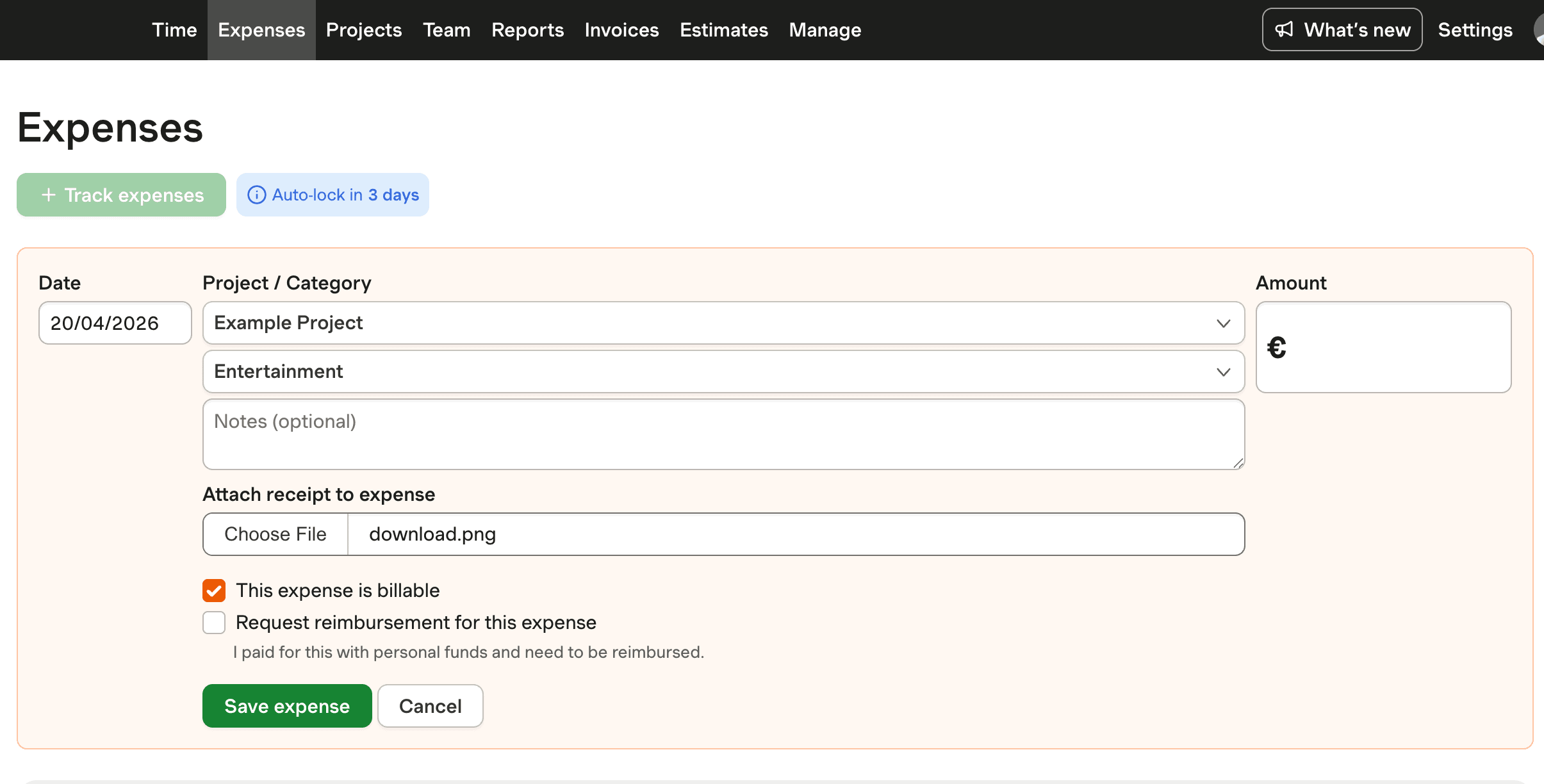
See how Harvest helps track project-specific expenses, aiding in detailed financial management and decision-making.

Screenshot showcasing Harvest's project-specific expense tracking interface.

Track Overhead Expenses FAQs

  • Overhead expenses are indirect costs not directly associated with production but necessary for business operations, like rent and utilities.

  • Reducing overhead expenses involves strategic planning such as reassessing office space needs, outsourcing non-core functions, and negotiating better supplier terms.

  • Tracking overhead expenses is crucial for understanding their impact on profitability and identifying areas for cost reduction, ultimately enhancing financial health.

  • Technology, like cloud-based accounting systems, streamlines expense tracking, provides real-time insights, and enables accurate forecasting and cost reduction strategies.

  • Harvest excels in tracking project-specific expenses, helping businesses maintain comprehensive records and support strategic financial management.

  • Common mistakes include failing to track expenses accurately, overlooking hidden costs, and not leveraging technology for efficient expense management.

  • Yes, high overhead costs can reduce profit margins, leading to lower net income. Effective management of these costs is essential for maintaining profitability.