
Harvest
Expenses
Sign up

Track Billable Expenses

Harvest enables businesses to track billable expenses efficiently, ensuring clarity and transparency in client billing. This reduces errors and protects profit margins.

  • Attach receipts to projects & tasks
  • Turn tracked expenses into client invoices
  • Free 30-day trial, no credit card needed

or drag & drop • Images and PDFs, max 10 MB

Understanding Billable Expenses and Their Importance

Billable expenses are costs incurred on behalf of a client, which are then charged back to the client as part of the billing process. These expenses can significantly impact a business's profitability if not tracked accurately. Common examples include travel costs, materials, and subcontractor fees. According to recent studies, accurately tracking these expenses can directly enhance profitability by ensuring businesses do not absorb unnecessary costs, thus protecting profit margins.

However, distinguishing between billable and non-billable expenses can be challenging. Non-billable expenses typically include operational costs like office rent or general administrative expenses. To avoid financial discrepancies, it's crucial to clearly define these categories in client contracts and internal policies. Harvest simplifies this process by enabling users to mark expenses as billable or non-billable, ensuring accurate client invoicing.
Strategies for Effective Billable Expense Tracking

Effective tracking of billable expenses involves several strategic steps to ensure accuracy and transparency. First, promptly capturing expenses as they occur is critical. This practice prevents oversight and ensures timely invoicing. In 2023, businesses leveraging digital tools for real-time expense capture reported a significant decrease in missed reimbursements, enhancing cash flow.

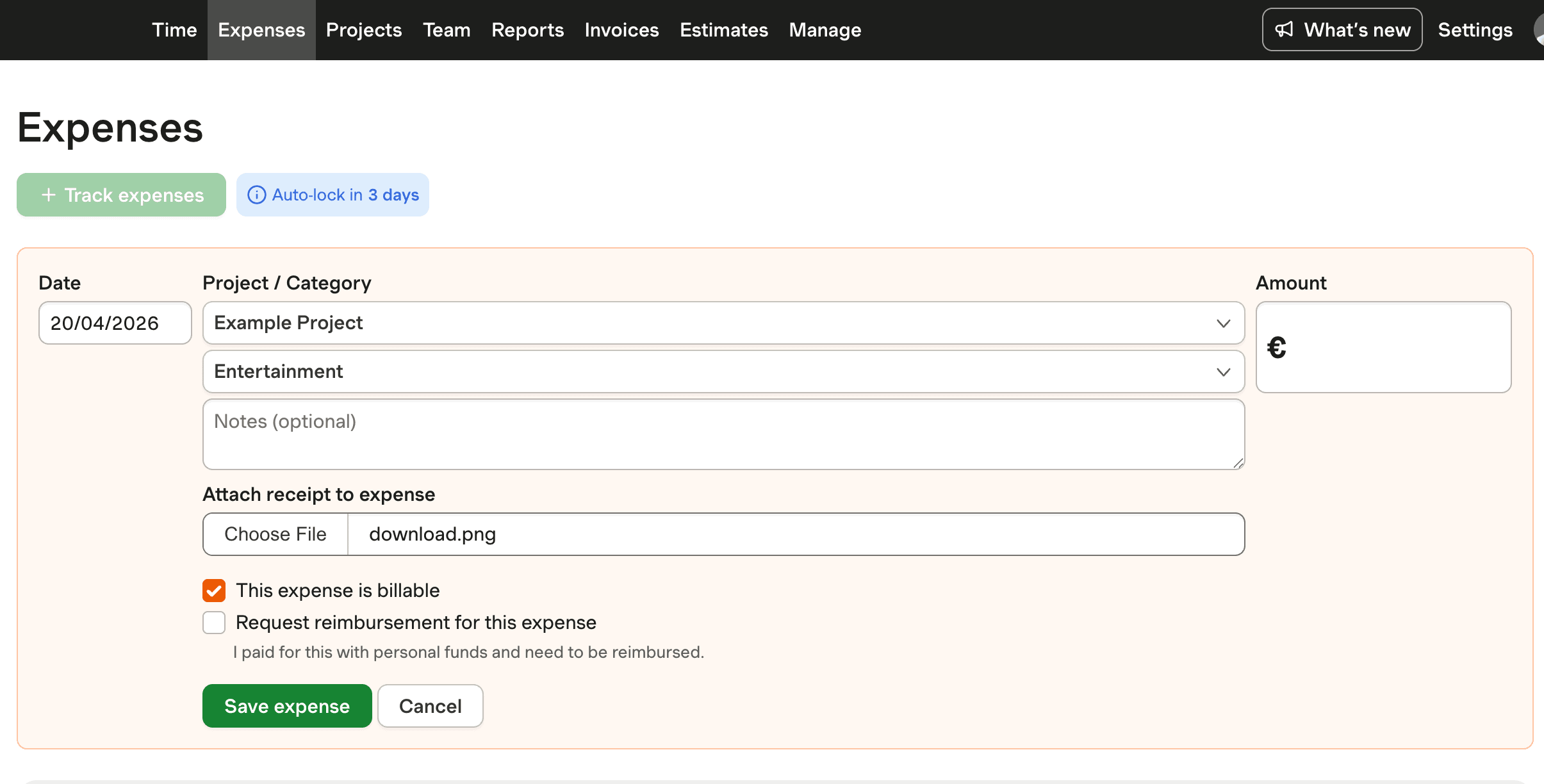
Utilizing digital solutions like Harvest can streamline this process. Harvest allows users to create custom expense categories tailored to industry-specific needs, such as travel and subcontractor fees. By tagging expenses to specific projects or clients, businesses can maintain clear records and avoid costly errors. Furthermore, attaching receipts and reports directly to invoices enhances transparency and client trust.

Common Mistakes and How Harvest Prevents Them

Tracking billable expenses can be fraught with common pitfalls, including losing receipts and incorrect categorization. Such errors can lead to billing inaccuracies or missed reimbursements, affecting profitability. A survey revealed that 80% of businesses experience timesheet errors, which can directly translate into revenue loss.

Harvest addresses these challenges by allowing users to attach digital receipts to expenses, minimizing the risk of lost documentation. This feature ensures all billable expenses are supported by accurate documentation, ready for client review. Additionally, Harvest's detailed invoicing capabilities prevent miscommunication with clients by clearly showing how amounts are calculated.

Leveraging Technology for Improved Expense Management

The shift from manual to digital expense tracking has transformed how businesses manage expenses. Automation and mobile-first solutions are emerging trends that enhance efficiency and accuracy. For instance, AI-driven categorization can reduce manual errors, while mobile apps allow for real-time expense logging.

While Harvest does not automate the tracking process, it provides a comprehensive platform for manual tracking and invoicing of billable expenses. Its user-friendly interface supports on-the-go expense capture and real-time data syncing, making it an essential tool for modern businesses looking to optimize their expense management processes.

Ensuring Transparency and Compliance in Billing

Transparency in billing is vital for maintaining client trust and ensuring compliance with financial regulations. Proper documentation and clear communication about billable expenses can prevent misunderstandings and disputes. A study found that transparency in billing directly correlates with higher client satisfaction and repeat business.

Harvest supports transparency by allowing businesses to produce detailed invoices that break down expenses clearly. This feature ensures clients understand what they are being billed for, fostering trust. Although Harvest does not manage tax implications directly, it aids in maintaining compliance by providing clear records for financial audits.

Track Billable Expenses with Harvest

Explore how Harvest helps businesses track billable expenses efficiently, ensuring transparency and accuracy in client billing.

Harvest dashboard showing billable expense tracking features.

Track Billable Expenses FAQs

  • Billable expenses are costs incurred on behalf of a client during a project, which are subsequently charged to the client. Examples include travel, materials, and subcontractor fees. Proper tracking of these expenses is crucial for accurate billing and maintaining profitability.

  • Billable expenses are directly tied to a client project, such as specific travel or material costs, while non-billable expenses are operational and not directly reimbursable, like office rent. Clear definitions in contracts and the use of tools like Harvest for categorization can help distinguish these expenses.

  • Tools like Harvest are excellent for tracking billable expenses. Harvest allows for tagging expenses to specific clients or projects, creating custom categories, and attaching receipts, ensuring accurate and transparent billing.

  • Common mistakes include losing receipts and incorrect categorization. Using digital solutions like Harvest, which allows for receipt attachment and clear categorization, can mitigate these errors and ensure accurate billing.

  • Billable expenses can be tax-deductible if they are ordinary and necessary for business operations. While Harvest helps track these expenses, consulting a tax professional for specific guidance on deductions and compliance is recommended.

  • Harvest enhances transparency by providing detailed invoices that clearly break down expenses, showing clients exactly what they are being billed for. This clarity helps build trust and avoid disputes.

  • Real-time expense tracking prevents oversights and ensures timely invoicing. Businesses using digital tools for this purpose have reported fewer missed reimbursements and improved cash flow management.

  • Yes, Harvest allows users to create custom expense categories tailored to industry-specific needs, such as travel, materials, and subcontractor fees, ensuring precise tracking and billing.