
Harvest
Expenses
Sign up

Track Marketing Expenses

Harvest provides a seamless way to track marketing expenses, helping businesses manage budgets and enhance ROI analysis. With Harvest, categorize and monitor expenses in real-time for better financial oversight.

EXPENSE REPORT DRAFT

Drop your receipts here or click to upload

Images and PDFs (max 10 MB each)

Date
Category
Merchant
Description
Amount
Total
$0.00

Customise report

Appearance

Show report title

Report settings

The Importance of Tracking Marketing Expenses

Tracking marketing expenses is crucial for maintaining budget control and optimizing return on investment (ROI). Given that marketing budgets in 2023 remained flat at 9.1% of total company revenue, businesses need effective strategies to manage these funds efficiently. The shift to digital marketing underscores the need for precise tracking, with nearly 46% of marketing professionals expecting over half of their budget to focus on digital platforms by 2025. This trend emphasizes the necessity for tools that can track and categorize expenses across various channels.

Harvest addresses this need by allowing users to categorize marketing expenses into custom categories like salaries, technology, advertising, and events. This feature provides clarity and ensures that every dollar spent is accounted for, which is particularly vital for small businesses where 82% of failures are due to cash flow issues. By using Harvest, companies can prevent overspending or underspending on crucial growth functions.
Real-Time Expense Tracking for Informed Decisions

Real-time expense tracking is essential for making informed decisions in marketing. With economic challenges forcing nearly half of marketers to cut spending in 2023, having up-to-date financial information becomes a competitive advantage. Effective tracking involves monitoring expenses at all stages, from estimated to actual spending, allowing for quick adjustments based on performance data.

Harvest excels in this area by offering real-time expense tracking capabilities. Expenses sync automatically when connected, providing marketing teams with immediate visibility into their spending patterns. This feature helps businesses stay agile, enabling them to reallocate funds swiftly to the most profitable activities—an approach recommended by experts who advocate for dynamic budgeting rather than rigid annual plans.

Categorizing Marketing Expenses with Precision

Proper categorization of marketing expenses is a best practice that enhances financial visibility and control. Companies typically allocate marketing budgets across various areas, such as paid search, social media, content marketing, and events. For instance, a mid-sized e-commerce company may spend 40% on paid search advertising and 25% on social media ads from its $100,000 monthly budget.

With Harvest, organizations can create custom categories to track these expenditures accurately. This level of detail is crucial for maintaining transparency and ensuring that funds are directed towards initiatives that align with overall business goals. By categorizing expenses meticulously, companies can avoid the "trapped budget" issue, where poor forecasting leads to unspent or misallocated funds, often exceeding 10% of the total budget.

Integrating Expense Tracking with Project Budgets

Integrating marketing expense tracking with project budgets is vital for comprehensive financial oversight. As marketing is increasingly viewed as an investment rather than an expense, aligning these expenditures with business objectives is critical. This alignment allows for better stakeholder buy-in and supports strategic decision-making.

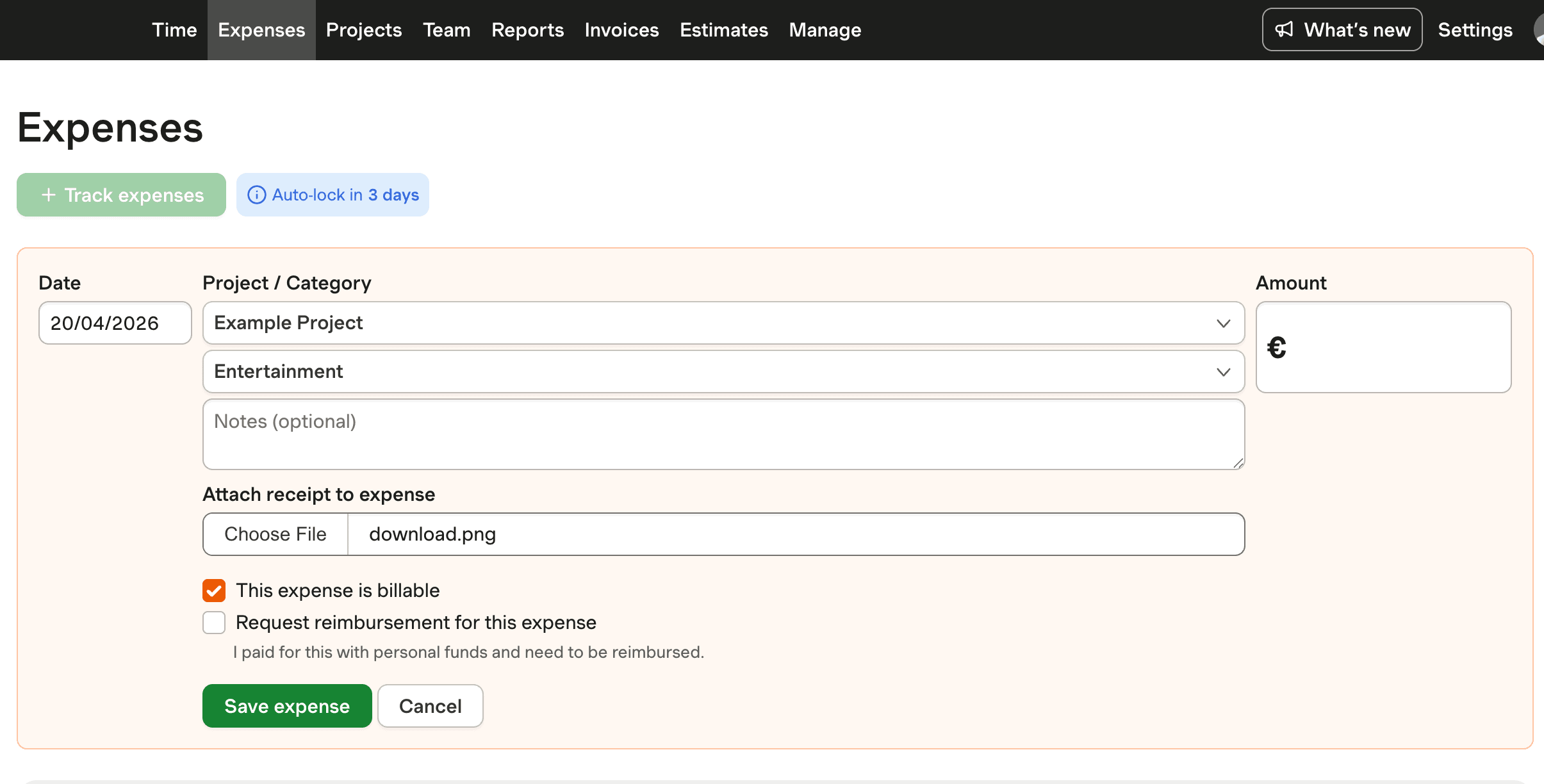
Harvest facilitates this integration by allowing expenses to be tracked by project and category, providing a unified view of financial management. This capability supports seamless data transfer and enhances the accuracy of financial reporting. By using Harvest, businesses can ensure that their marketing strategies are financially sound, ultimately leading to improved budget control and higher ROI.

Track Marketing Expenses with Harvest

Discover how Harvest helps track marketing expenses by category and project, offering real-time insights for better budget management.

Screenshot of Harvest tracking marketing expenses by category and project.

Track Marketing Expenses FAQs

  • Best practices for tracking marketing expenses include setting clear goals, categorizing expenses, and using real-time tracking tools. According to industry experts, aligning expenses with business goals is crucial for maximizing ROI. Regularly updating budgets and leveraging data insights are also recommended to ensure effective spending.

  • Harvest allows users to categorize marketing expenses into custom categories such as salaries, technology, and advertising. It provides real-time tracking capabilities, enabling businesses to monitor their expenses closely and make informed decisions quickly. This integration with project budgets enhances financial oversight.

  • Real-time expense tracking is crucial for marketing teams to adapt to changing economic conditions and optimize their budgets. With real-time data, teams can quickly reallocate funds to more profitable activities, ensuring efficient budget use and better alignment with business objectives.

  • Marketing expenses should be divided into clear categories such as salaries, technology costs, advertising, public relations, events, and content creation. This categorization helps in maintaining transparency and ensures that each area of spending supports the overall marketing strategy effectively.

  • Small businesses can avoid cash flow issues by diligently tracking marketing expenses and ensuring they align with revenue goals. Using tools like Harvest to categorize and monitor expenses in real-time can prevent overspending and help maintain a healthy cash flow.

  • Yes, Harvest can track expenses by project, allowing businesses to integrate marketing expenses into overall project budgets. This feature provides a comprehensive view of financial management and supports strategic decision-making.

  • Technology improves marketing budget management by providing tools for real-time tracking, data analysis, and reporting. These tools help businesses monitor spending, adjust strategies based on performance data, and ensure that marketing efforts align with business goals.