Harvest
Invoices
Sign up

Estimate Template

Harvest provides flexible estimate templates that can be customized for various industries, offering detailed line items and file attachments to meet specific project needs.

INVOICE DRAFT

Add your logo here
Item type
Description
Quantity
Unit price
Tax
Amount
Subtotal
$0.00
Discount
$0.00
Amount Due
$0.00
Get paid via:
Credit card / Debit card
ACH
Wire transfer

Customise invoice

Appearance

Add a logo
Show invoice title

Invoice settings

Tax Add up to 2 tax rates
%
Discount Apply a discount percentage
%

Explore Industry-Specific Estimate Templates

Choosing an industry-specific estimate template significantly streamlines your quoting process and ensures all relevant details are captured for diverse business needs. For instance, construction estimates often require detailed breakdowns for materials, labor, permits, and subcontractor costs, frequently including sections for retainage—the 5-10% of each payment held until final inspection. Freelance contractor estimates, conversely, might focus on hourly rates, project phases, and deliverables, often with clear intellectual property clauses. Roofing estimates necessitate specific line items for different shingle types, underlayment, and disposal fees, while landscaping estimates detail plant materials, hardscaping elements, and ongoing maintenance. HVAC estimates typically itemize equipment, installation labor, and warranty information. Selecting a template tailored to your sector ensures you don't overlook critical components or industry-standard practices.
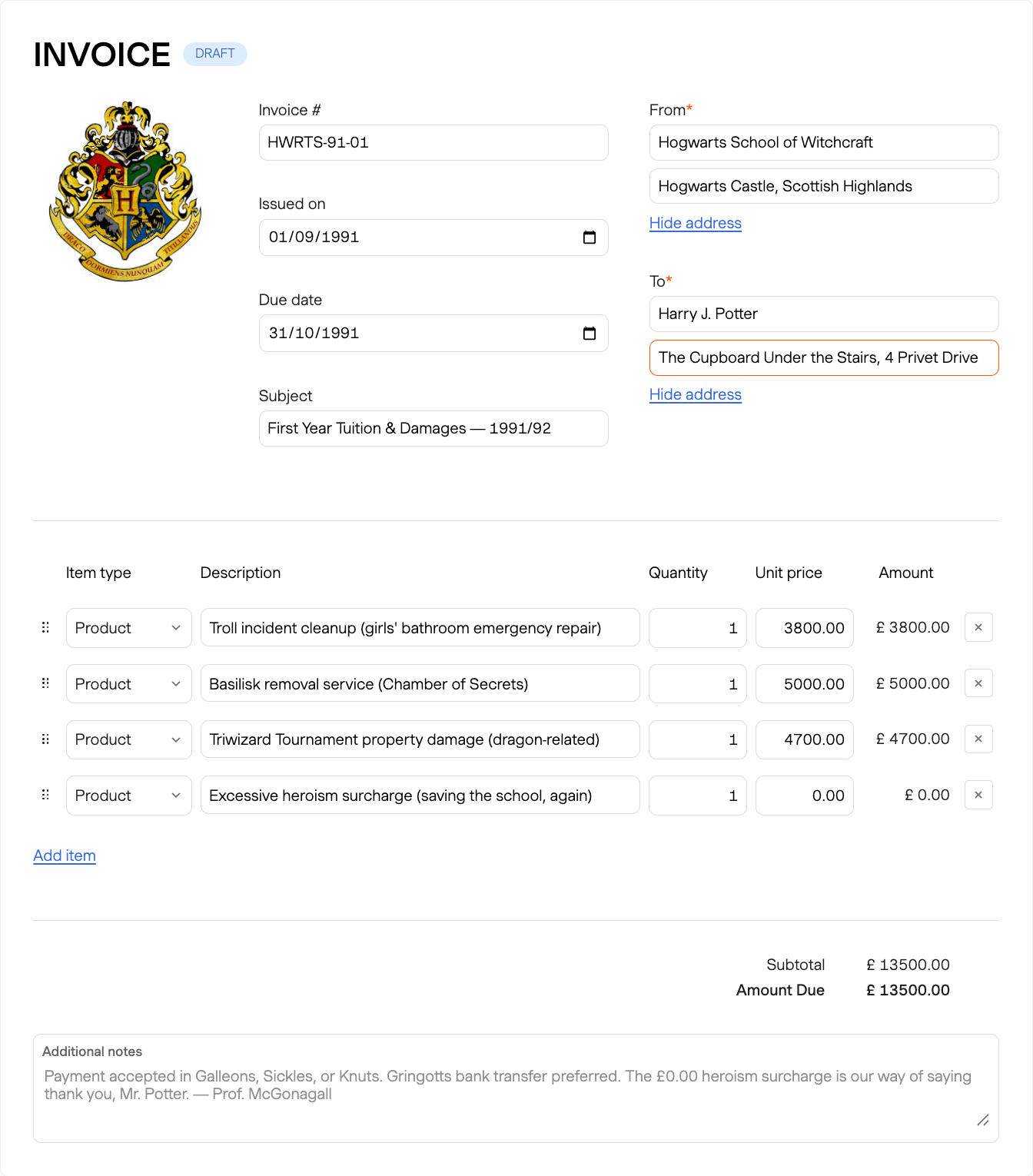
Customizing Your Estimate Template for Maximum Impact

Tailoring your estimate template allows you to personalize it, reflecting your brand and specific project details for enhanced professionalism and clarity. Start by incorporating your branding elements, such as your company logo, preferred color scheme, and consistent fonts, which reinforces your professional identity. Next, consider adding custom line items that precisely describe unique services or materials relevant to a particular project, ensuring transparency for the client. For example, a "rush fee" or "specialized equipment rental" can be added as needed. You can also adjust the layout to highlight key information, like the total cost or project timeline, making it easier for clients to quickly grasp essential details. This level of personalization builds trust and differentiates your proposal.

Best Practices for Creating Effective Estimates

Creating effective estimates requires precision and clarity to enhance client trust and minimize misunderstandings.

  1. Be highly specific: Itemize every service, material, and associated cost. Vague descriptions like "miscellaneous" can erode confidence.
  2. Define the scope clearly: Explicitly state what is included and, just as importantly, what is excluded from the estimate to prevent scope creep.
  3. Include payment terms: Clearly outline deposit requirements (e.g., 25% upfront), payment schedules, and accepted methods.
  4. Set an expiration date: Estimates should typically be valid for a limited period, often 30-60 days, to account for fluctuating material costs or labor availability.
  5. Review thoroughly: A common pitfall is errors in calculations or typos. Always double-check all figures and descriptions before sending.

Ensuring accuracy and transparency in your estimates builds a strong foundation for client relationships.

See Your Industry-Specific Estimate Template in Action

Preview how your estimate template can be customized for different industries with detailed line items, branding elements, and clear project scope.

Estimate Template FAQs

  • Harvest allows you to create detailed construction estimates with line items for materials, labor, and equipment.
  • To customize an estimate template effectively, incorporate your branding elements such as logos and colors, define specific line items that reflect your unique services, and adjust the layout to emphasize key details like total cost and project timelines. This helps in enhancing professionalism and clarity.
  • Yes, expenses logged against a project can be included as invoice line items. This is useful for billing clients for materials, travel, or other project costs.
  • Estimate templates can sometimes be too rigid for highly complex projects that require a significant degree of customization or integration with other project management tools. They may not fully capture unique requirements or unexpected changes in project scope, which can lead to gaps in the estimates.
  • Harvest can be used to create roofing estimates that include specific roof measurements and material costs.