Sign up


Key Components of a Contractor Invoice
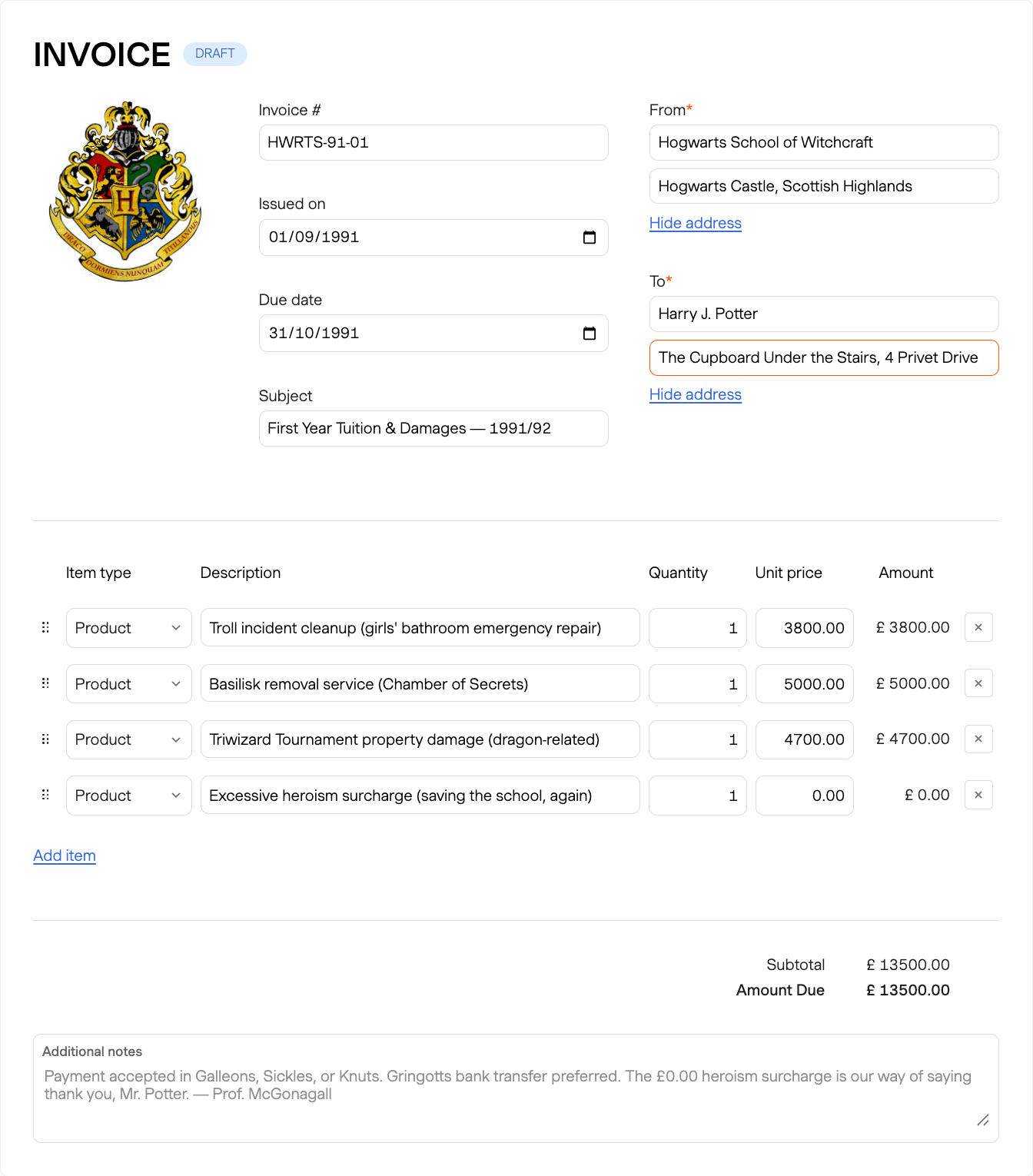
Creating a comprehensive contractor invoice is crucial for ensuring timely payment and maintaining a professional relationship with clients. A well-structured invoice should include several key components. First, clearly list all services provided, detailing each task or project phase completed. This transparency helps clients understand the value of your work and minimizes disputes. Additionally, include itemized costs for labor, materials, and any subcontractor expenses. Industry research shows that incomplete or inaccurate records can lead to payment delays, affecting up to 82% of contractors (source).
Another essential component is the payment terms. Specify due dates, preferred payment methods, and any applicable late fees. Clear payment terms reduce ambiguity and can expedite cash flow. For example, offering a 2% discount for early payment can encourage faster payments, a strategy supported by industry experts. Finally, include your contact information and any relevant project details, such as contract numbers or PO numbers, to facilitate easy communication and referencing. By incorporating these elements, contractors can streamline the invoicing process and mitigate common pitfalls.