Sign up


Understanding Finnish Invoice Regulations
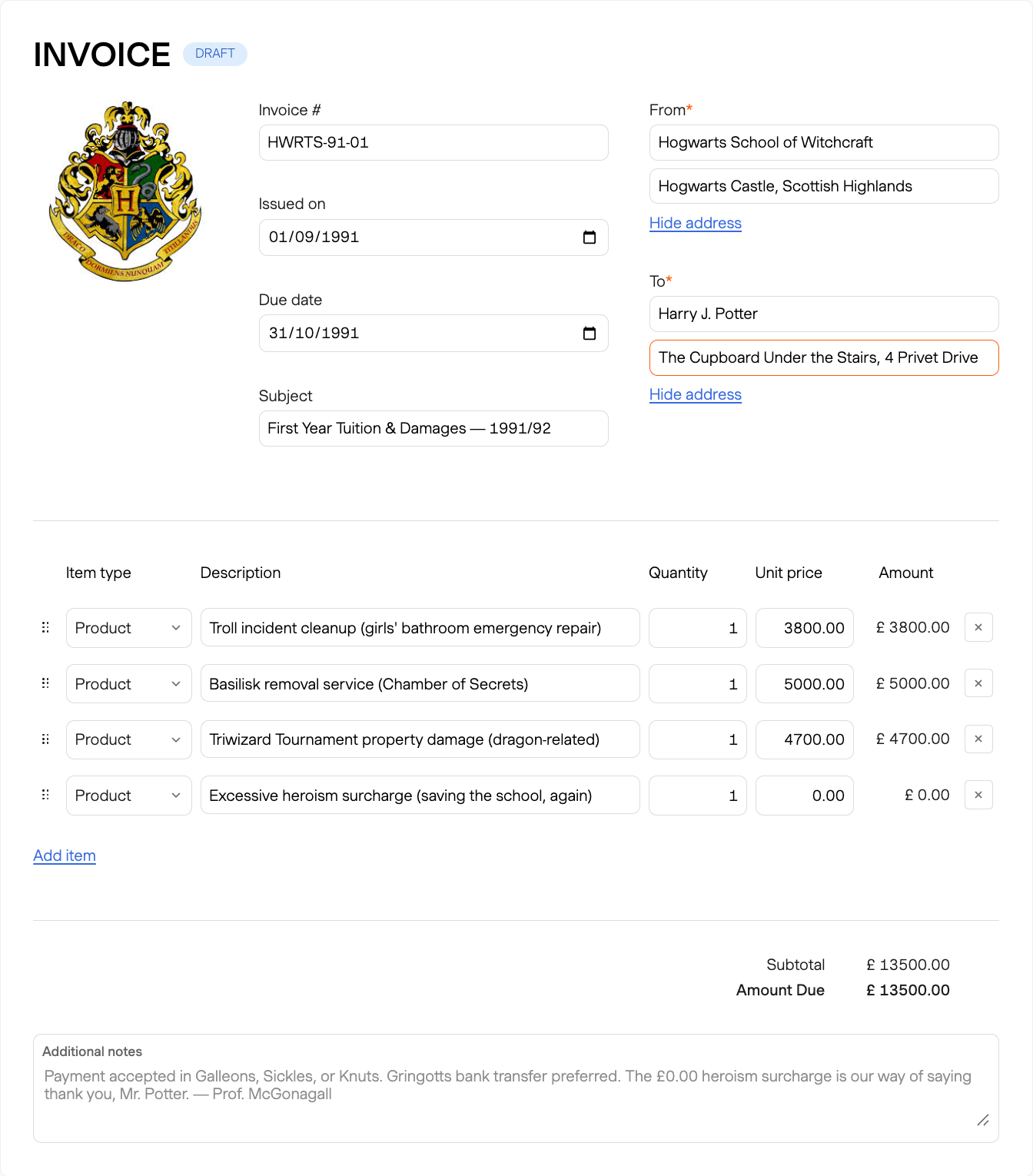
Finnish invoicing is governed by the Value Added Tax Act (Arvonlisäverolaki) and the Accounting Act (Kirjanpitolaki), which mandate specific requirements for all invoices issued in Finland. To ensure legal compliance, businesses must include several key components on every invoice. These typically include the date of issue, a unique invoice number for identification, and the seller's VAT registration number (ALV-numero), if applicable. Additionally, the full name and address of both the seller and the buyer are essential, along with a clear description of the goods or services provided. The quantity and unit price of the goods or services, the date of supply, and the VAT rate applied to each item must also be explicitly stated.
VAT compliance is a critical aspect of Finnish invoicing. The standard VAT rate in Finland is 24%, but reduced rates of 14% apply to foodstuffs, animal feed, and restaurant and catering services (excluding alcoholic beverages), while a 10% rate is used for books, pharmaceuticals, passenger transport, accommodation, and cultural and entertainment services. Exemptions also exist for certain services, such as healthcare and education. For each VAT rate applied, the corresponding VAT amount must be shown separately, and the total amount payable, including VAT, should be clearly presented. Invoices must be retained for a minimum of six years from the end of the calendar year in which the financial year ended.