
Harvest
Time Tracking
Sign up free

Project Budget Tracker in Italy

For those managing project budgets in Italy, Harvest offers a comprehensive tracking solution that ensures compliance with local financial regulations, integrates with Italian banks, and accounts for VAT regulations.

Try Harvest Free

Will this project be profitable?

Estimate your project cost, set the right price, and know exactly how many hours your team can spend before margin disappears.

Total hours across all team members
$
Average rate across all roles on the project
15%
Scope creep is real. Most projects need 10-25% buffer to stay profitable.
Recommended project price $0
Base cost (before buffer) $0
Hours per person per week 0h
Weekly burn rate $0
Max hours before loss 0h

Track project hours with Harvest

Walk through the entire flow below. Start a timer, check your reports, and create a real invoice — all in three clicks.

Go ahead — start tracking!

One click and you're timing. Try it right here: start a timer, add an entry, edit the details. This is exactly how it feels in Harvest.

  • One-click timer from browser, desktop & mobile
  • Works inside Jira, Asana, Trello, GitHub & 50+ tools
  • Duration or start/end — your call
  • Day, week & calendar views to stay on top of it all
  • Friendly reminders so no hour gets left behind
Acme Corp
Website Redesign
Homepage layout revisions
1:24:09
Content Strategy
Blog calendar planning
1:30:00
SEO Audit
Technical audit report
0:45:00
Brand Guidelines
Color system documentation
2:15:00
Logo Concepts
Initial sketches round 1
1:00:00

Navigating the Italian Regulatory Landscape for Project Budgets

Understanding the regulatory framework for project budgets in Italy is crucial to ensure compliance and avoid penalties. The Italian Civil Code and OIC accounting principles govern financial statements, while mandatory electronic invoicing through the FatturaPA and SDI systems requires precise adherence to structured formats. As of January 1, 2024, even micro-enterprises must comply with these e-invoicing requirements, with penalties for late submissions reaching up to €2,000 per document.

Tax laws are another critical component, with the standard VAT rate at 22% and reduced rates of 10%, 5%, and 4% applicable to specific goods and services. Understanding these rates is essential for accurate budgeting, especially for EU-funded projects where deductible VAT is generally ineligible. Additionally, the 2026 Budget Law introduces changes such as increased Tobin tax rates and modifications to dividend exemptions, impacting how project costs and revenues are managed.
Integrating Project Budget Tracking with Italian Financial Systems

Effective project budget tracking in Italy requires seamless integration with local financial systems. Leveraging Open Banking APIs and digital banking solutions can facilitate real-time financial visibility and compliance with electronic transaction requirements. For instance, Italy's banking sector is increasingly adopting technologies like Robotic Process Automation (RPA) to streamline account management and financial flows.

When selecting a budget tracking tool, prioritize features that support multi-currency transactions, real-time updates, and compatibility with Italian banks. This integration ensures that payments and receipts are managed efficiently, reducing the risk of non-compliance with Italy's stringent financial regulations.

Best Practices for Effective Project Budget Management in Italy

Managing project budgets effectively in Italy requires a strategic approach. Begin by creating a detailed Work Breakdown Structure (WBS), which helps accurately estimate costs for each task. This is critical in a country with diverse economic conditions, where labor costs and market rates can vary significantly between regions.

Incorporate contingency funds to cover unforeseen expenses, a common challenge given Italy's dynamic market conditions. Implementing a robust change control process prevents unauthorized budget alterations, while regular expense tracking ensures that spending aligns with the budget. Foster transparency by maintaining open communication with stakeholders, using project budget templates to enhance consistency and efficiency.

Addressing Unique Challenges in the Italian Project Environment

Project budgeting in Italy presents unique challenges due to regional economic disparities and the prevalence of micro-enterprises. With Northern Italy's GDP per capita nearly double that of the South, resource availability and costs can vary significantly. This disparity requires tailored budgeting strategies to ensure project viability across different regions.

For public procurement and EU-funded projects, understanding specific requirements like VAT eligibility is crucial. Common pitfalls include inaccurate cost estimates and scope creep, which can be mitigated by diligent planning and stakeholder engagement. By addressing these challenges, project managers can enhance their budgeting effectiveness and project success in the Italian context.

Project Budget Tracker in Italy with Harvest

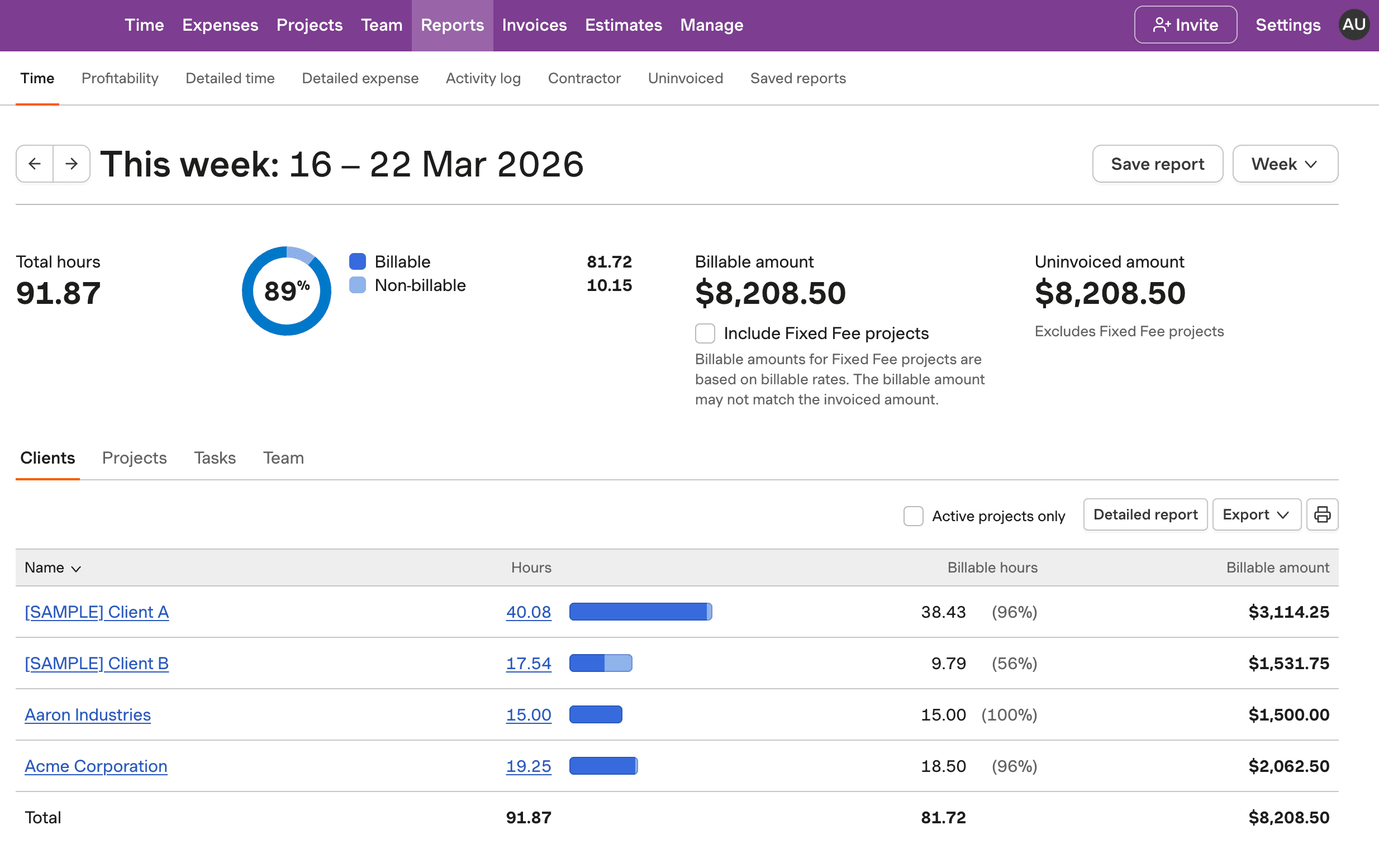
Explore Harvest's project budget tracking features, ensuring compliance with Italian financial regulations and VAT integration.

Screenshot of Harvest's project budget tracking interface tailored for Italy

Project Budget Tracker in Italy FAQs

  • To ensure compliance, familiarize yourself with Italian VAT rates, ranging from 4% to 22%, and adhere to the electronic invoicing requirements mandated by the FatturaPA and SDI systems. Additionally, stay updated on recent tax law changes like those in the 2026 Budget Law.

  • Key features include integration with Italian banks, support for multi-currency transactions, real-time updates, and compatibility with electronic invoicing systems. These features ensure compliance and enhance financial accuracy.

  • VAT rates, which can be 22%, 10%, 5%, or 4%, impact the overall cost of goods and services in a project. Properly accounting for these rates is vital, especially for EU-funded projects where deductible VAT is generally ineligible.

  • Common pitfalls include inaccurate cost estimates, scope creep, and failing to allocate contingency funds. These can be mitigated through detailed planning, stakeholder engagement, and robust change control processes.

  • Harvest offers integrations that support real-time financial visibility and compliance with Italian regulations, including VAT and electronic invoicing systems. This integration streamlines financial operations and enhances project budget management.

  • Electronic invoicing, required by the FatturaPA and SDI systems, mandates structured invoice formats and timely submissions. Compliance is crucial to avoid penalties, ensuring accurate project expense tracking and vendor payments.

  • Disparities between Northern and Southern Italy can lead to differences in labor costs and resource availability, affecting budget estimations. Adapting budgeting strategies to regional conditions is essential for project success.