
Harvest
Time Tracking
Sign up free

How to Handle Scope Creep in Projects

52% of all projects experience scope creep, leading to budget overruns and delays. Harvest helps manage and prevent scope creep with effective project tracking and communication tools.

Try Harvest Free

Will this project be profitable?

Estimate your project cost, set the right price, and know exactly how many hours your team can spend before margin disappears.

Total hours across all team members
$
Average rate across all roles on the project
15%
Scope creep is real. Most projects need 10-25% buffer to stay profitable.
Recommended project price $0
Base cost (before buffer) $0
Hours per person per week 0h
Weekly burn rate $0
Max hours before loss 0h

Track project hours with Harvest

Walk through the entire flow below. Start a timer, check your reports, and create a real invoice — all in three clicks.

Go ahead — start tracking!

One click and you're timing. Try it right here: start a timer, add an entry, edit the details. This is exactly how it feels in Harvest.

  • One-click timer from browser, desktop & mobile
  • Works inside Jira, Asana, Trello, GitHub & 50+ tools
  • Duration or start/end — your call
  • Day, week & calendar views to stay on top of it all
  • Friendly reminders so no hour gets left behind
Acme Corp
Website Redesign
Homepage layout revisions
1:24:09
Content Strategy
Blog calendar planning
1:30:00
SEO Audit
Technical audit report
0:45:00
Brand Guidelines
Color system documentation
2:15:00
Logo Concepts
Initial sketches round 1
1:00:00

Understanding Scope Creep: The Silent Project Killer

Scope creep, also known as "feature creep" or "requirement creep," is a significant challenge in project management that can lead to budget overruns, schedule delays, and reduced quality. Defined as the uncontrolled expansion of a project's requirements beyond the initially approved scope, it impacts projects across various industries. According to the Project Management Institute, 52% of projects experience scope creep, with the average cost overrun reaching 27% and project delays averaging 33%. The Denver International Airport's baggage system project is a classic example, suffering a two-year delay and doubled budget due to over 2,000 design changes. These statistics underscore the importance of managing scope creep effectively to avoid such pitfalls.

Projects affected by scope creep see 85% exceeding their budgets, and stakeholder dissatisfaction is rampant, with half of stakeholders reporting discontent. Moreover, organizations with a higher level of maturity face scope creep less frequently, only 30% compared to 47% in less mature organizations. Such maturity also correlates with fewer project failures and better budget adherence. Understanding the prevalence and consequences of scope creep is crucial for any project manager aiming to complete projects on time, within budget, and to the satisfaction of stakeholders.
Proactive Prevention: Building a Strong Project Foundation

To prevent scope creep, it is essential to lay a strong foundation at the project's inception. Begin by drafting a clear and comprehensive project scope statement that outlines objectives, deliverables, timelines, and constraints. This document should be agreed upon by all stakeholders before any work begins, ensuring that everyone shares the same vision. A Work Breakdown Structure (WBS) can further clarify the project's scope, breaking it into manageable components and tasks.

Engage stakeholders early to gather detailed requirements and prioritize them to ensure critical items are addressed first. Establishing a formal change control process is also vital, allowing for structured evaluation, approval, and documentation of any proposed changes. This process helps in managing the impact of changes on timelines, budgets, and resources. According to research, effective contract management can lead to a 40% reduction in cost overruns, while a robust change control process can reduce project delays by 30%. These proactive measures are crucial for maintaining control over the project's trajectory.

Managing Change: The Art of Controlled Evolution

Managing change effectively is key to controlling scope creep. Implementing a formal change control process helps in systematically requesting, evaluating, and approving changes. Assessing the impact of proposed changes on time, cost, and resources is critical, ensuring that adjustments do not derail the project's progress. Documenting all changes meticulously with formal sign-offs is equally important, providing a trail of accountability and clear communication.

Continuous monitoring and control against the scope baseline are essential to identify deviations early. Saying "no" or negotiating trade-offs when necessary can prevent scope creep from spiraling out of control. For example, Harvest supports this by allowing teams to document project changes and manage budgets effectively, aiding in obtaining necessary approvals and managing resource and opportunity costs. By keeping a close watch on project progress and maintaining a flexible yet controlled approach to change, project managers can steer their projects toward successful completion.

Communication and Collaboration: Your Best Defense

Effective communication and collaboration are vital defenses against scope creep. Regular, transparent communication with stakeholders ensures that everyone is informed and aligned on project progress and any necessary changes. Using positive and proactive language when discussing changes helps frame them as opportunities rather than problems, fostering a collaborative environment.

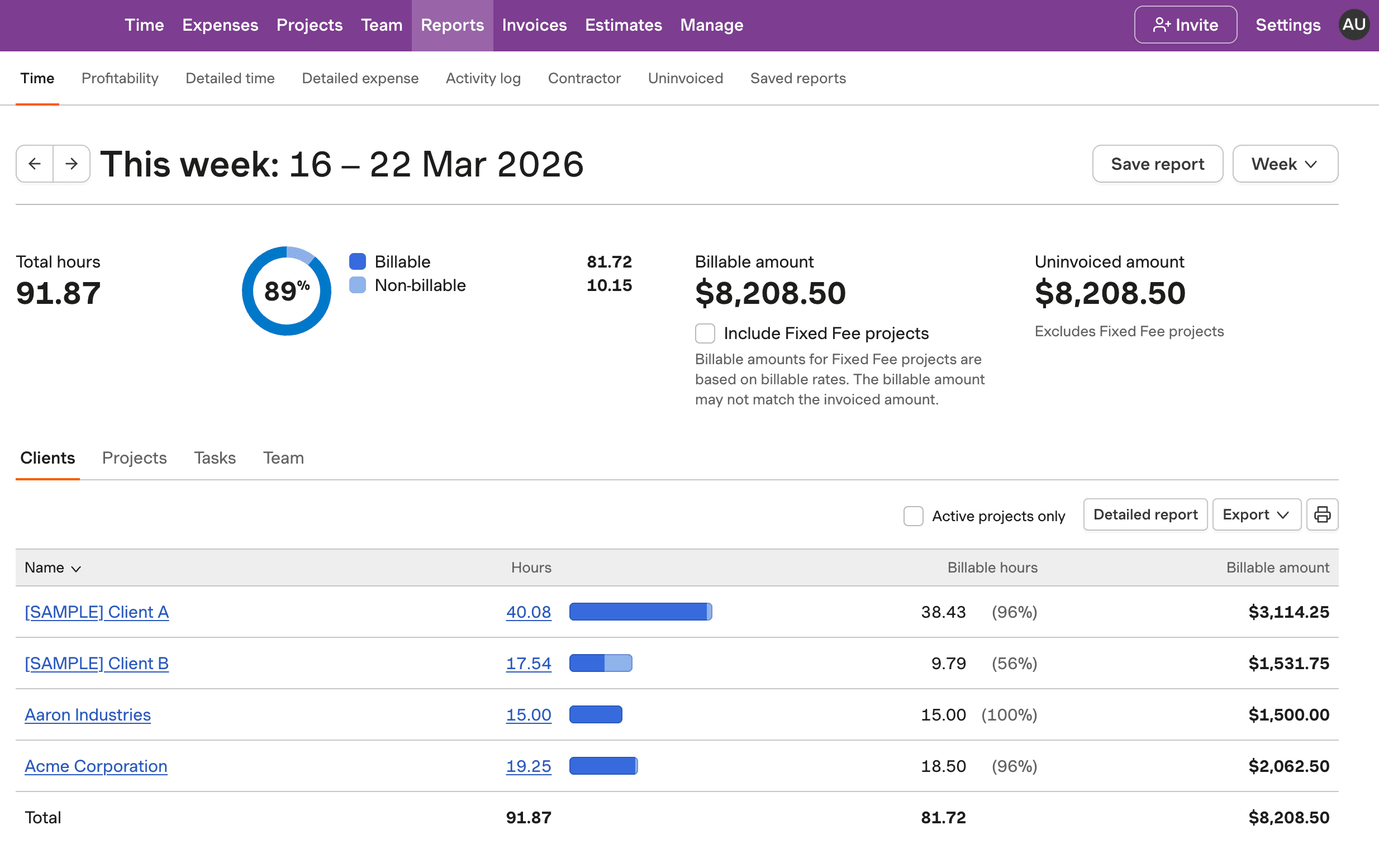
It is crucial to define clear decision-making authority for scope changes and maintain consistent communication through established channels. Harvest helps manage stakeholder expectations by offering detailed project reporting and analysis, facilitating regular updates that keep stakeholders informed. Encouraging open dialogue within the project team and involving stakeholders in decision-making processes can further enhance collaboration and prevent scope creep. By educating the team and stakeholders on the impact of scope creep, project managers can cultivate a culture of awareness and proactive management.

Handle Scope Creep with Harvest

See how Harvest helps track project changes and manage budgets to prevent scope creep effectively.

Harvest project management tools for handling scope creep.

How to Handle Scope Creep in Projects FAQs

  • Scope creep refers to the uncontrolled expansion of a project's requirements beyond the initially approved scope. It often leads to budget overruns and schedule delays, affecting project quality and stakeholder satisfaction. According to the Project Management Institute, 52% of projects experience scope creep.

  • Preventing scope creep involves defining a clear project scope, creating a detailed Work Breakdown Structure (WBS), and implementing a robust change control process. Engaging stakeholders early and prioritizing requirements can also help. According to research, these steps can reduce cost overruns by up to 40%.

  • Managing changes effectively involves implementing a formal change control process that evaluates, approves, and documents changes. Assessing the impact on time, cost, and resources is crucial. Harvest supports this by allowing teams to document project changes and manage budgets efficiently.

  • Tools like Harvest are invaluable for managing project scope. They offer features for documenting changes, managing budgets, and providing detailed project reports to keep stakeholders informed. These tools help in maintaining control over the project's trajectory.

  • Effective communication involves using positive and proactive language, providing a clear rationale for changes, and maintaining transparency. Harvest aids in this by offering detailed reporting and regular updates to keep stakeholders informed about project changes and progress.

  • Real-world examples of scope creep include the Denver International Airport's baggage system project, which faced a two-year delay and doubled budget due to over 2,000 design changes. Such examples highlight the importance of managing scope changes effectively.

  • Organizational maturity directly impacts scope creep management. Highly mature organizations are less likely to experience scope creep, with only 30% facing it compared to 47% in low-maturity organizations. They also tend to stay within budget more often, reducing project failures.

  • Yes, Harvest offers detailed project reporting and analysis, which facilitates regular updates and effective communication with stakeholders. This helps manage their expectations by keeping them informed about project progress and any changes.