
Harvest
Time Tracking
Sign up free

Scope Creep Cost Calculator

Harvest is a time tracking and invoicing tool that helps teams tackle the financial impact of scope creep by maintaining clear project boundaries.

Try Harvest Free

Will this project be profitable?

Estimate your project cost, set the right price, and know exactly how many hours your team can spend before margin disappears.

Total hours across all team members
$
Average rate across all roles on the project
15%
Scope creep is real. Most projects need 10-25% buffer to stay profitable.
Recommended project price $0
Base cost (before buffer) $0
Hours per person per week 0h
Weekly burn rate $0
Max hours before loss 0h

Track project hours with Harvest

Walk through the entire flow below. Start a timer, check your reports, and create a real invoice — all in three clicks.

Go ahead — start tracking!

One click and you're timing. Try it right here: start a timer, add an entry, edit the details. This is exactly how it feels in Harvest.

  • One-click timer from browser, desktop & mobile
  • Works inside Jira, Asana, Trello, GitHub & 50+ tools
  • Duration or start/end — your call
  • Day, week & calendar views to stay on top of it all
  • Friendly reminders so no hour gets left behind
Acme Corp
Website Redesign
Homepage layout revisions
1:24:09
Content Strategy
Blog calendar planning
1:30:00
SEO Audit
Technical audit report
0:45:00
Brand Guidelines
Color system documentation
2:15:00
Logo Concepts
Initial sketches round 1
1:00:00

The Silent Project Killer: Understanding Scope Creep

Scope creep is the uncontrolled expansion of project requirements beyond the initially agreed-upon scope, often leading to significant financial and operational challenges. Approximately 52% of projects across industries experience scope creep, with this figure soaring to over 80% in less structured environments like freelancing and small agency work. This pervasive issue affects budgetary control, as 85% of projects that encounter scope creep exceed their initial budgets, with an average cost overrun of 27%.

Distinguishing scope creep from "gold plating" is crucial. While scope creep arises from client-driven changes, gold plating involves team-added features not requested by the client. The consequences are extensive, impacting not only budgets but also schedules—80% of construction projects with scope creep face delays. Understanding these dynamics is essential to safeguard project success and profitability.
Quantifying Scope Creep Costs: A Detailed Approach

Calculating the financial impact of scope creep involves a systematic approach to assess both direct and hidden costs. Initially, defining a clear project scope and baseline is crucial. This serves as the reference point for tracking changes and quantifying additional work. For instance, an average cost overrun due to scope creep can reach 27%, translating to $27,000 in unplanned expenses for a $100,000 project.

Direct costs include extra labor hours and materials, while hidden costs encompass productivity losses and potential turnover due to increased workload. Metrics such as "rate collapse"—the reduction in effective hourly rate due to unbilled extra work—are vital for understanding true financial impact. By meticulously documenting changes and their financial implications, project managers can reveal the extent of scope creep and strategize effectively to mitigate its effects.

Strategies to Prevent and Manage Scope Creep

Preventing scope creep requires robust strategies centered on clear scope definition and proactive management. Initially, developing a comprehensive project scope statement with explicit objectives and deliverables is essential. This foundation helps in managing expectations and obtaining formal stakeholder approval. Implementing a structured change control process ensures that any alterations are thoroughly evaluated for their impact on budget, timeline, and resources.

Frequent stakeholder engagement and continuous communication are critical in maintaining alignment and transparency. Regular monitoring of project progress against defined metrics—such as budget variance and schedule adherence—helps in early detection of deviations. Empowering project managers with the authority to enforce change control processes and say "no" to unapproved changes is crucial in maintaining project integrity and avoiding scope creep.

The Financial Impact of Scope Creep: Real Costs and Consequences

The financial repercussions of scope creep extend beyond direct costs, affecting overall project viability and organizational health. Poor scope management can cost organizations approximately $97 million for every $1 billion invested. Additionally, scope creep can multiply development costs up to four times the original estimate in severe cases.

Beyond budget overruns, the implications include schedule delays, reduced project quality, stakeholder dissatisfaction, and missed market opportunities. For instance, the Denver International Airport's baggage handling system project faced 16 months of delays due to scope creep, illustrating the potential for significant setbacks. By understanding these consequences, companies can better prepare and implement preventive measures to shield their projects from the detrimental effects of scope creep.

Harvest Scope Management

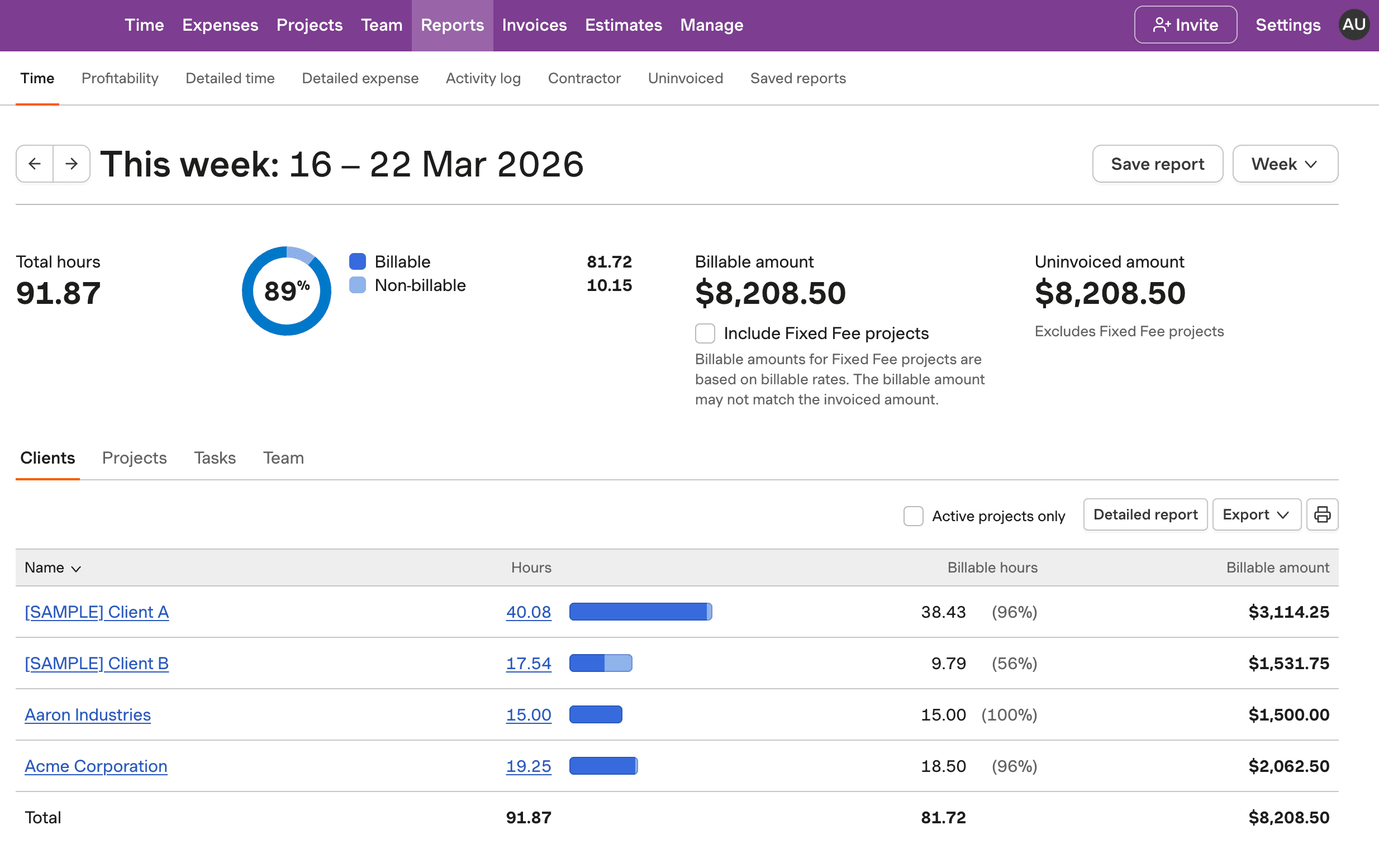
See how Harvest helps track time and manage project scope to control costs and prevent scope creep.

Harvest time tracking and invoicing for scope management

Scope Creep Cost Calculator FAQs

  • Scope creep is the uncontrolled expansion of project requirements beyond the initial scope, leading to budget overruns and delayed timelines. Approximately 85% of projects with scope creep exceed their budgets, often by an average of 27%.

  • To calculate scope creep costs, start with defining the original project scope. Document all changes meticulously, quantify additional work, and calculate both direct and hidden costs. Consider metrics like the effective hourly rate to understand financial impacts.

  • Scope creep typically arises from unclear goals, poor planning, insufficient processes, and competing stakeholder interests. Poor communication and underestimating complexities also contribute significantly to scope creep.

  • Preventive strategies include clear scope definition, a formal change control process, proactive stakeholder engagement, and continuous monitoring of project progress. Empowering project managers to enforce these practices is crucial.

  • Scope creep involves client-driven changes that extend a project's scope, whereas gold plating refers to team-added features that go beyond client requirements. Both can lead to budget and schedule issues.

  • Construction and IT/software development are particularly susceptible, with up to 71% of IT projects experiencing budget overruns due to scope creep. Effective management practices can mitigate these impacts.

  • Harvest aids in managing scope creep by offering detailed time tracking and invoicing, helping teams maintain clear project boundaries and understand the financial impact of scope changes.