
Harvest
Time Tracking
Sign up free

Project Budget Tracker in Poland

Harvest is a time tracking and invoicing tool for teams and freelancers, offering real-time budget tracking to prevent project overruns.

Try Harvest Free

Will this project be profitable?

Estimate your project cost, set the right price, and know exactly how many hours your team can spend before margin disappears.

Total hours across all team members
$
Average rate across all roles on the project
15%
Scope creep is real. Most projects need 10-25% buffer to stay profitable.
Recommended project price $0
Base cost (before buffer) $0
Hours per person per week 0h
Weekly burn rate $0
Max hours before loss 0h

Track project hours with Harvest

Walk through the entire flow below. Start a timer, check your reports, and create a real invoice — all in three clicks.

Go ahead — start tracking!

One click and you're timing. Try it right here: start a timer, add an entry, edit the details. This is exactly how it feels in Harvest.

  • One-click timer from browser, desktop & mobile
  • Works inside Jira, Asana, Trello, GitHub & 50+ tools
  • Duration or start/end — your call
  • Day, week & calendar views to stay on top of it all
  • Friendly reminders so no hour gets left behind
Acme Corp
Website Redesign
Homepage layout revisions
1:24:09
Content Strategy
Blog calendar planning
1:30:00
SEO Audit
Technical audit report
0:45:00
Brand Guidelines
Color system documentation
2:15:00
Logo Concepts
Initial sketches round 1
1:00:00

The Imperative of Project Budget Tracking in a Dynamic Market

Project budget tracking is essential in today's fast-paced and competitive market. Accurate budget management ensures project success and profitability by preventing common pitfalls such as scope creep, inaccurate estimates, and communication gaps. A PwC study highlighted that only 2.5% of companies complete projects successfully without budget overruns, underscoring the need for precise financial oversight. Real-time visibility into budget allocations and expenditures helps mitigate financial risks and fosters proactive decision-making.

The dynamic nature of markets, especially in sectors like IT and construction, requires agile financial management. As projects evolve, costs can quickly spiral if not closely monitored. Implementing a robust budget tracking system provides the transparency needed to adapt to changes, ensuring resources are effectively allocated and financial goals are met.
Core Features of an Effective Project Budget Tracker

An effective project budget tracker must offer essential functionalities to manage finances efficiently. Key features include real-time expense monitoring, which allows for immediate visibility into spending and identifying discrepancies between planned and actual costs. Customizable reporting and alert systems are crucial for keeping stakeholders informed and engaged, ensuring proactive adjustments are made as needed.

Integration capabilities with ERP and accounting systems are vital for a unified financial view. This integration centralizes data, automates workflows, and provides accurate, real-time financial insights. Support for various cost types, such as direct, indirect, fixed, and variable, ensures comprehensive budget management, accommodating the complexities of modern projects.

Mastering Project Cost Forecasting and Control

Effective cost forecasting and control are critical components of successful project management. Various methods, such as parametric, bottom-up, analogous, and expert judgment, offer different perspectives on estimating future expenses. Employing these methods in combination with historical data analysis improves accuracy and helps anticipate financial needs.

Setting clear budget thresholds and conducting regular performance reviews are best practices for maintaining control over project finances. Allocating a contingency fund, typically 5-10% of the budget, is recommended to cover unforeseen events. This proactive approach, combined with strategic risk management, ensures that projects remain on track financially and achieve their objectives.

Navigating the Polish Landscape: Unique Considerations for Budget Tracking

Poland's robust IT sector and skilled workforce position it as a leader in adopting advanced project management tools. The IT services market is expected to grow significantly, driven by digital transformation and a demand for sophisticated budget tracking solutions. This environment supports the implementation of tools that integrate seamlessly with existing systems.

EU regulations, such as the DORA regulation effective from January 17, 2025, will impact financial sector project budgeting. These regulations necessitate robust ICT risk management and compliance features in budget tracking tools. Additionally, the growing trend of cloud-based solutions in Poland facilitates flexibility and real-time collaboration, making cloud adoption a preferred choice for many enterprises.

Discover Harvest for Project Budget Tracking in Poland

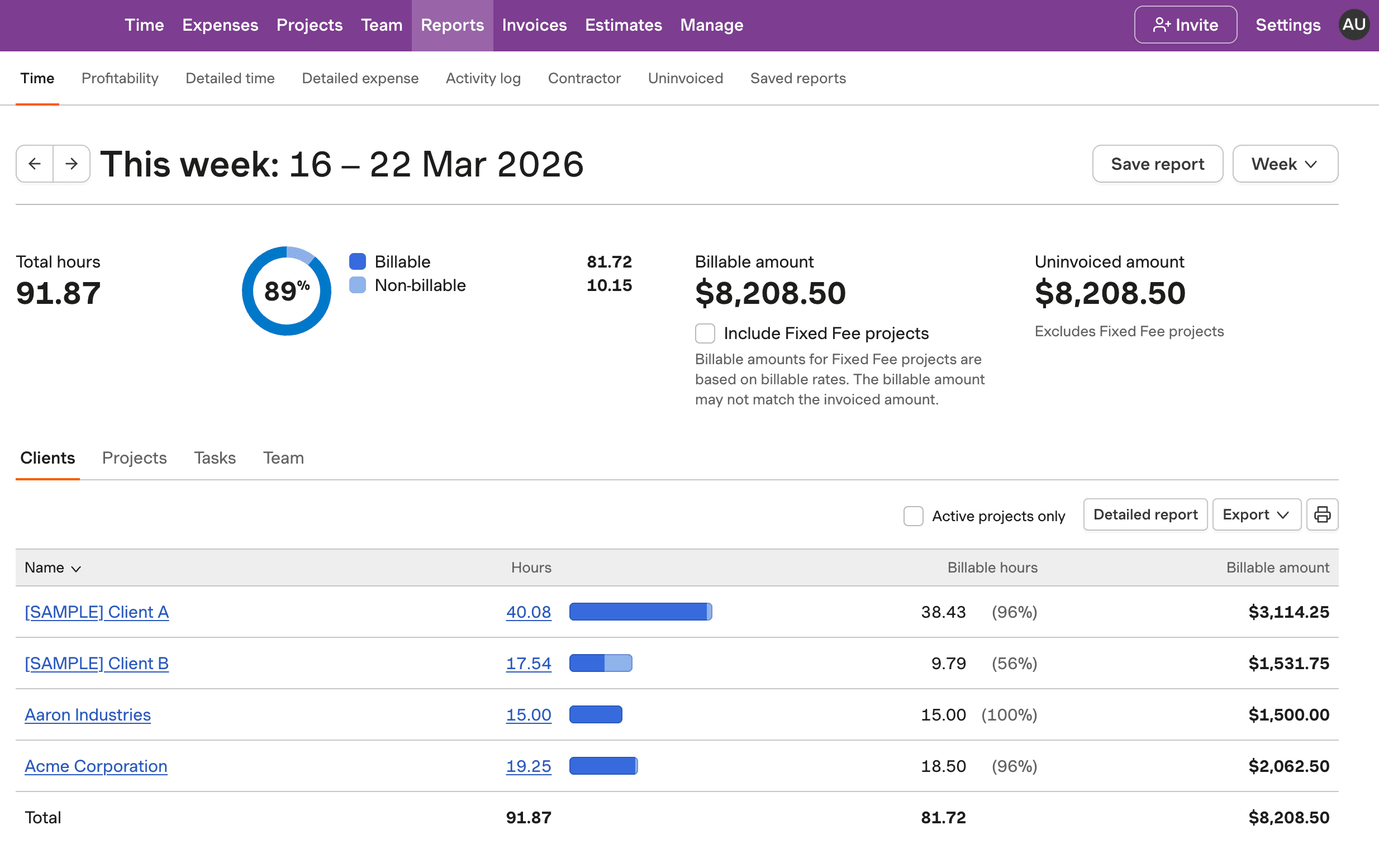
See how Harvest offers real-time budget tracking and integration capabilities for projects in Poland.

Screenshot of Harvest's project budget tracking features in Poland context.

Project Budget Tracker in Poland FAQs

  • Key features of a project budget tracker include real-time expense tracking, customizable reporting, and integration with ERP systems. These tools help identify discrepancies between planned and actual spending, ensuring effective financial management. Additionally, alert systems notify users when budget thresholds are exceeded, allowing for timely interventions.

  • To implement real-time budget monitoring effectively, establish clear budget goals and metrics for tracking expenses. Regularly review planned versus actual expenses and set clear budget thresholds with alerts. This approach ensures discrepancies are identified quickly, allowing for proactive financial decision-making and risk management.

  • Improving project cost forecasting accuracy involves using a combination of parametric, bottom-up, analogous, and expert judgment methods. Analyzing historical data and leveraging statistical models enhance the reliability of forecasts. Regular reviews and adjustments based on real-time data also contribute to more accurate predictions.

  • Yes, many project budget tracking tools offer integration with ERP and accounting systems. This capability centralizes financial data, streamlines workflows, and provides a comprehensive view of project finances, enhancing decision-making and efficiency in managing budgets.

  • Poland's strong IT sector, with its skilled workforce and growing market, supports the adoption of advanced project management tools. The demand for sophisticated budget tracking solutions is high, driven by digital transformation initiatives and the need for integrated financial management systems.

  • The DORA regulation, effective from January 17, 2025, will impact financial entities in Poland, requiring robust ICT risk management and compliance features in budget tracking tools. This regulation emphasizes the need for secure and compliant project management solutions in the financial sector.

  • Cloud adoption is significant because it offers flexibility, accessibility, and real-time collaboration, which are essential for effective project budget tracking. With 55.3% of Polish enterprises purchasing cloud services, cloud-based solutions are becoming the norm, providing the tools necessary for modern project management.