
Harvest
Time Tracking
Sign up free

Project Collaboration Tool

Harvest is a project collaboration tool that enhances team productivity by integrating time tracking with project management platforms like Asana, Trello, and Jira.

Try Harvest Free

Will this project be profitable?

Estimate your project cost, set the right price, and know exactly how many hours your team can spend before margin disappears.

Total hours across all team members
$
Average rate across all roles on the project
15%
Scope creep is real. Most projects need 10-25% buffer to stay profitable.
Recommended project price $0
Base cost (before buffer) $0
Hours per person per week 0h
Weekly burn rate $0
Max hours before loss 0h

Track project hours with Harvest

Walk through the entire flow below. Start a timer, check your reports, and create a real invoice — all in three clicks.

Go ahead — start tracking!

One click and you're timing. Try it right here: start a timer, add an entry, edit the details. This is exactly how it feels in Harvest.

  • One-click timer from browser, desktop & mobile
  • Works inside Jira, Asana, Trello, GitHub & 50+ tools
  • Duration or start/end — your call
  • Day, week & calendar views to stay on top of it all
  • Friendly reminders so no hour gets left behind
Acme Corp
Website Redesign
Homepage layout revisions
1:24:09
Content Strategy
Blog calendar planning
1:30:00
SEO Audit
Technical audit report
0:45:00
Brand Guidelines
Color system documentation
2:15:00
Logo Concepts
Initial sketches round 1
1:00:00

The Imperative of Collaboration: Why Modern Teams Need Dedicated Tools

In today's dynamic work environment, the need for effective project collaboration tools is more pronounced than ever. With the rise of remote and hybrid work models, teams are spread across different locations and time zones, making seamless communication and coordination challenging. The global collaboration software market is projected to grow from $24.52 billion in 2024 to $65.38 billion by 2035, underscoring the increasing demand for these tools. A lack of collaboration and ineffective communication account for 86% of workplace failures, making dedicated tools essential for success.

Project collaboration tools address these challenges by centralizing communication and fostering transparency, leading to a 30% increase in productivity. They reduce meeting times by 23% and email usage by 32%, freeing up valuable time for strategic tasks. Teams that adopt real-time collaboration tools report a 24% increase in successful feature launches and a 22% reduction in bug identification time. These tools are not just a luxury but a necessity for modern teams aiming to thrive in a competitive landscape.
Decoding the Core: Essential Features of Project Collaboration Tools

Choosing the right project collaboration tool involves understanding the core features that enhance productivity and streamline workflows. Essential features include communication hubs with real-time messaging and video conferencing, which are crucial for maintaining team connectivity. Task and project management capabilities allow for task creation, assignment, tracking, and deadline management, often displayed in various views like Kanban and Gantt charts.

Document management is another vital feature, providing centralized file storage, real-time co-editing, and secure sharing. Customization and integration are also key, with tools offering adaptable workflows and seamless integration with existing software like CRM and calendar applications. Furthermore, robust reporting and analytics tools help teams visualize KPIs and track progress, identifying bottlenecks before they become issues. By incorporating these features, collaboration tools significantly enhance team efficiency and project outcomes.

Navigating the Market: Pricing Models and Free Options

The pricing landscape for project collaboration tools varies widely, catering to different business sizes and needs. Basic plans are often free, providing essential features for small teams or individuals. Standard plans range from $5 to over $25 per user per month, offering more advanced functionalities suitable for growing businesses. Enterprise-grade solutions, priced on a custom basis, cater to large organizations with specific needs, often including enhanced security and compliance features.

Exploring free options can be beneficial for teams with limited budgets, though these often come with feature limitations. Despite this, many teams find that investing in a paid plan provides a strong return on investment by reducing manual effort and consolidating multiple tools. By understanding and navigating these pricing models, companies can select a tool that fits their budget while maximizing productivity and collaboration.

Strategic Implementation: Best Practices for Success

Implementing a project collaboration tool successfully requires strategic planning and execution. Begin by defining clear project goals and expectations, such as establishing SMART goals and setting milestones. Using a centralized project management tool helps integrate existing workflows, ensuring all project-related documents and communications are accessible in one place.

Fostering a collaborative culture is crucial, with open communication and regular feedback loops. Conduct pilot runs with a core group to gather early feedback and refine processes before a full rollout. Providing comprehensive training and ongoing support ensures team members can fully utilize the tool's features. By following these best practices, teams can maximize the benefits of their chosen collaboration tool and drive project success.

Discover Harvest's Project Collaboration Capabilities

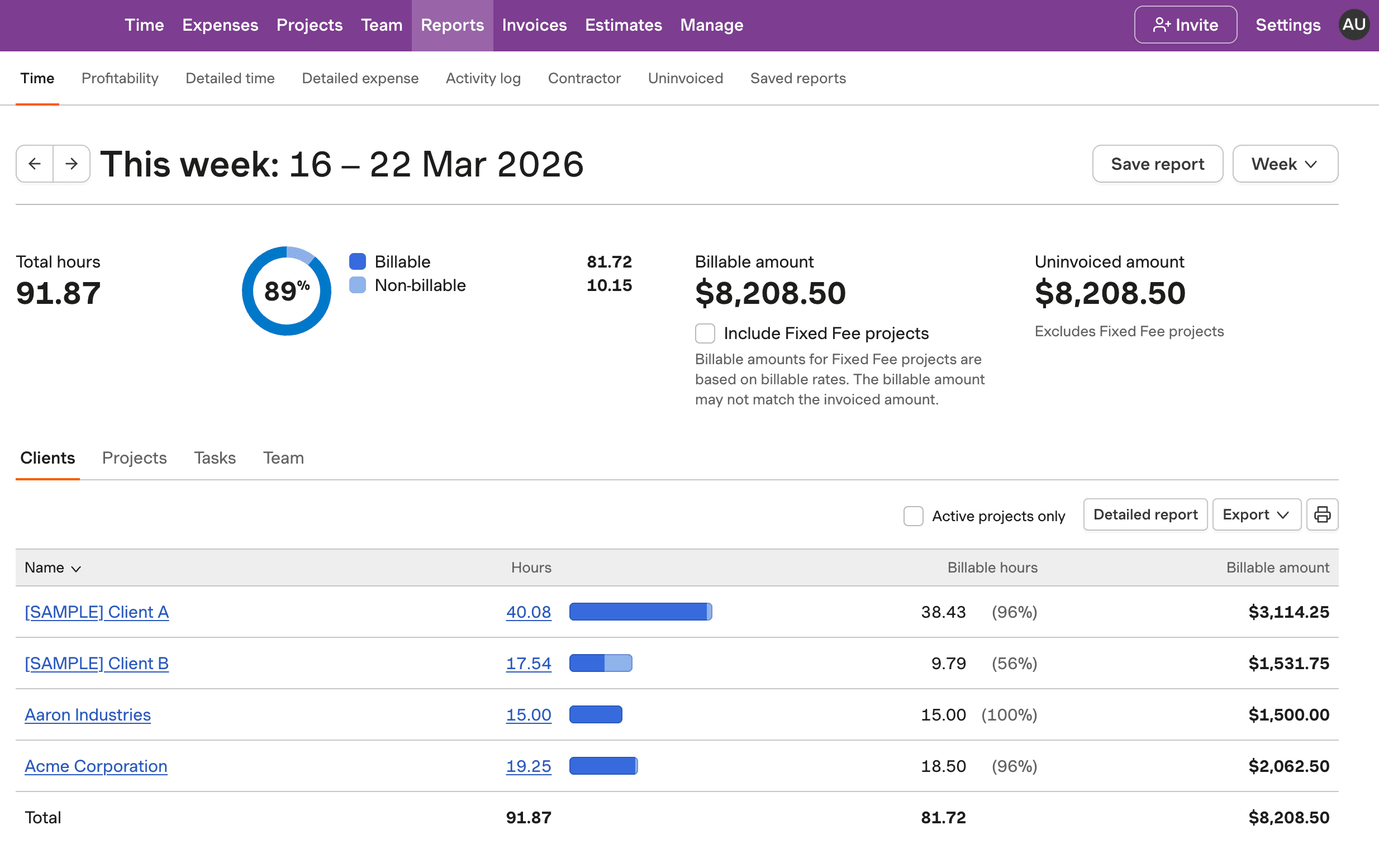
See how Harvest integrates with platforms like Asana and Trello, enhancing project management and team productivity.

Screenshot of Harvest project collaboration tool interface with task management.

Project Collaboration Tool FAQs

  • Project collaboration tools increase productivity by centralizing communication, reducing meeting times by 23%, and cutting email usage by 32%. They help teams manage tasks, set clear deadlines, and streamline workflows, resulting in up to a 30% boost in productivity.

  • Key features to look for include real-time messaging, task management, document sharing, customization options, and integration capabilities. These features ensure seamless communication, efficient task tracking, and adaptability to existing workflows.

  • Yes, many project collaboration tools offer free plans, which are suitable for individuals or small teams with basic needs. These plans typically include essential features like task management and communication tools, though they may have limitations compared to paid plans.

  • Successful implementation involves defining clear goals, conducting pilot runs, and providing thorough training. Encourage open communication and gather feedback to refine processes before a full rollout, ensuring team members are comfortable and engaged with the new tool.

  • Integrating Harvest with platforms like Asana, Trello, and Jira enhances project tracking and task management. It allows for seamless time tracking and improved team role management, boosting overall productivity and project oversight.

  • Harvest provides tools for effective team role and permission management. Administrators can assign roles and set permissions, ensuring that team members have the appropriate access and responsibilities, which enhances accountability and workflow efficiency.

  • Collaboration tools support remote and hybrid work by enabling real-time communication and centralized document management. They ensure that team members, regardless of location, can access the same information and collaborate effectively, supporting a cohesive workflow.