
Harvest
Time Tracking
Sign up free

Project Budget Tracker in Slovakia

Harvest offers a comprehensive solution for project budget tracking in Slovakia, aligning with local financial regulations and business practices to ensure compliance and efficiency.

Try Harvest Free

Will this project be profitable?

Estimate your project cost, set the right price, and know exactly how many hours your team can spend before margin disappears.

Total hours across all team members
$
Average rate across all roles on the project
15%
Scope creep is real. Most projects need 10-25% buffer to stay profitable.
Recommended project price $0
Base cost (before buffer) $0
Hours per person per week 0h
Weekly burn rate $0
Max hours before loss 0h

Track project hours with Harvest

Walk through the entire flow below. Start a timer, check your reports, and create a real invoice — all in three clicks.

Go ahead — start tracking!

One click and you're timing. Try it right here: start a timer, add an entry, edit the details. This is exactly how it feels in Harvest.

  • One-click timer from browser, desktop & mobile
  • Works inside Jira, Asana, Trello, GitHub & 50+ tools
  • Duration or start/end — your call
  • Day, week & calendar views to stay on top of it all
  • Friendly reminders so no hour gets left behind
Acme Corp
Website Redesign
Homepage layout revisions
1:24:09
Content Strategy
Blog calendar planning
1:30:00
SEO Audit
Technical audit report
0:45:00
Brand Guidelines
Color system documentation
2:15:00
Logo Concepts
Initial sketches round 1
1:00:00

Navigating Slovak Financial Compliance in Project Budgeting

Understanding and adhering to Slovak financial compliance is critical when managing project budgets. In Slovakia, businesses must navigate Slovak Accounting Standards (SAS) and, for larger entities, International Financial Reporting Standards (IFRS). These standards ensure transparency and accountability, which are essential for both local and international business operations. For companies exceeding two of three specific criteria (total assets, net turnover, average employees), IFRS compliance is mandatory.

Moreover, Slovak corporate tax laws include different rates based on turnover, with a minimum of 10% for incomes up to EUR 100,000 and a maximum of 24% for those above EUR 5,000,000. VAT compliance is equally rigorous, demanding monthly or quarterly returns. The fiscal year typically runs from January to December, with financial statements due by March 31st, though extensions are possible. Given these complexities, a project budget tracker must support electronic document archiving, aligning with Slovakia’s digitalization efforts.
Essential Features of a Project Budget Tracker for Slovakia

A project budget tracker for Slovakia must offer features that align with local financial practices. Real-time cost tracking and variance analysis are crucial for maintaining fiscal discipline and preventing budget overruns. These tools should also accommodate multi-currency transactions and EU fund reporting, given Slovakia’s integration into the European financial system.

Furthermore, customizable reporting capabilities are vital, aligning with Slovak financial statements like balance sheets and profit and loss accounts. The ability to manage specific Slovak payment symbols and maintain robust forecasting and scenario planning is essential. Automated alerts for budget thresholds provide proactive management, ensuring financial health throughout the project lifecycle.

Seamless Integration with Slovak Accounting Ecosystems

Integrating project budget trackers with existing Slovak accounting ecosystems is a strategic necessity. Effective integration with ERP systems like SAP ensures data consistency and minimizes manual entry errors. This is particularly important given Slovakia’s strict VAT reporting and payment symbol requirements.

Addressing the complexities of Slovak tax and accounting legislation within these integrations is vital. Ensuring accurate data flow across platforms prevents discrepancies that could lead to regulatory non-compliance. Additionally, considerations for cloud-based solutions are crucial, particularly regarding data residency and compliance with the National Bank of Slovakia's regulations for financial institutions.

Best Practices for Effective Project Budget Control in Slovakia

Implementing best practices for project budget control in Slovakia involves establishing clear budgeting methodologies and setting project KPIs. Strong internal controls and audit trails enhance accountability and transparency. Collaboration among stakeholders, supported by comprehensive budget tracking tools, fosters a unified approach to financial management.

Leveraging historical data for future budget accuracy is another best practice. This allows for informed decision-making and precise financial forecasting. Digitalization trends in Slovakia also offer opportunities to modernize project budget management through electronic archiving, improving both efficiency and compliance with legal requirements.

Regional and Industry-Specific Budgeting Challenges and Solutions

In Slovakia, project budgeting can present unique challenges, especially within the public sector and EU-funded initiatives. Public sector projects require adherence to performance-based budgeting and medium-term frameworks established by the Ministry of Finance. For EU-funded projects, additional compliance and reporting standards must be met.

Foreign businesses often face surprises due to stringent Slovak regulations, including meticulous transaction documentation and VAT compliance. Adapting ERP systems to meet these demands can be challenging. Financial institutions must also navigate specific guidelines from the National Bank of Slovakia, ensuring their project budget trackers comply with all relevant regulations.

Harvest for Project Budget Tracking in Slovakia

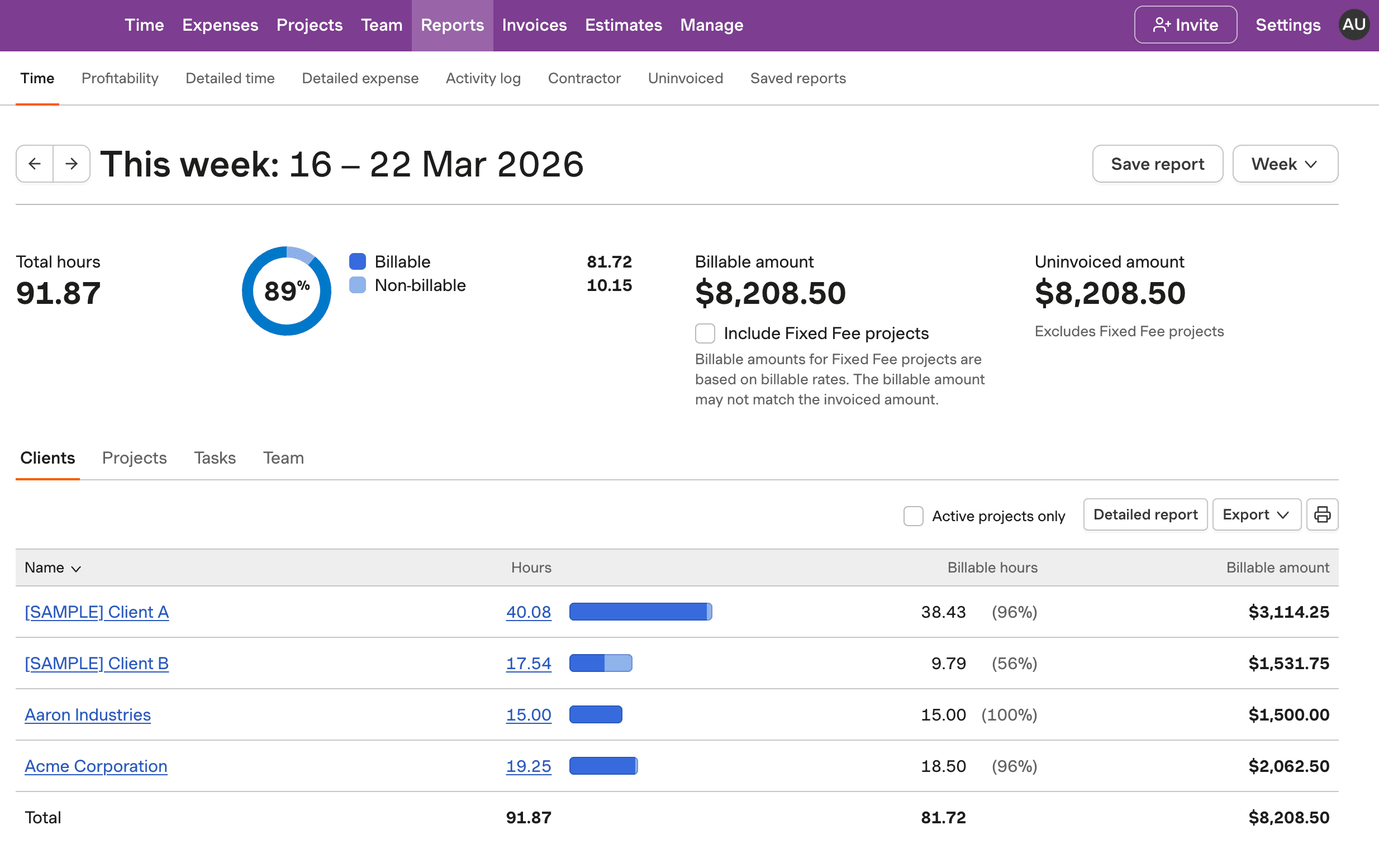
See how Harvest aligns with Slovak financial regulations to streamline your project budget tracking.

Harvest project budget tracking interface in Slovakia context.

Project Budget Tracker in Slovakia FAQs

  • Essential features include real-time cost tracking, variance analysis, multi-currency support, and customizable reporting aligned with Slovak accounting standards. Automated alerts for budget thresholds are also crucial.

  • Compliance is ensured by features that support Slovak Accounting Standards and IFRS, rigorous VAT reporting, and electronic archiving capabilities that meet legal requirements for document authenticity and inviolability.

  • Yes, effective project budget trackers offer seamless integration with ERP systems like SAP, ensuring data consistency and minimizing manual entry errors, crucial for adhering to Slovak tax legislation.

  • VAT compliance entails submitting monthly or quarterly returns and paying any VAT balance by the 25th of the following month. Project budget trackers must accommodate these rigorous reporting demands.

  • These trackers offer features to accommodate EU fund reporting, ensuring compliance with specific documentation and financial management requirements for projects funded by European Union grants.

  • Electronic archiving is important due to Slovakia’s digitalization efforts, allowing companies to store documents while proving their origin, inviolability, and legibility, complying with legal requirements.

  • Foreign businesses often struggle with Slovakia’s stringent regulations, especially regarding meticulous documentation and VAT compliance. Adapting ERP systems to local standards can also be challenging.