
Harvest
Time Tracking
Sign up free

Project Management Process

Harvest is the ideal tool for managing the project management process, offering features that ensure projects are delivered on time and within budget.

Try Harvest Free

Will this project be profitable?

Estimate your project cost, set the right price, and know exactly how many hours your team can spend before margin disappears.

Total hours across all team members
$
Average rate across all roles on the project
15%
Scope creep is real. Most projects need 10-25% buffer to stay profitable.
Recommended project price $0
Base cost (before buffer) $0
Hours per person per week 0h
Weekly burn rate $0
Max hours before loss 0h

Track project hours with Harvest

Walk through the entire flow below. Start a timer, check your reports, and create a real invoice — all in three clicks.

Go ahead — start tracking!

One click and you're timing. Try it right here: start a timer, add an entry, edit the details. This is exactly how it feels in Harvest.

  • One-click timer from browser, desktop & mobile
  • Works inside Jira, Asana, Trello, GitHub & 50+ tools
  • Duration or start/end — your call
  • Day, week & calendar views to stay on top of it all
  • Friendly reminders so no hour gets left behind
Acme Corp
Website Redesign
Homepage layout revisions
1:24:09
Content Strategy
Blog calendar planning
1:30:00
SEO Audit
Technical audit report
0:45:00
Brand Guidelines
Color system documentation
2:15:00
Logo Concepts
Initial sketches round 1
1:00:00

The Foundational Phases of Project Management

The project management process is structured into five foundational phases: Initiation, Planning, Execution, Monitoring & Controlling, and Closure. These phases, recognized by the Project Management Institute (PMI), form a structured roadmap ensuring project success from start to finish. Each phase contributes uniquely to achieving project objectives, with the Monitoring & Controlling phase often running parallel to Execution to ensure continuous oversight.

In the Initiation phase, projects are defined at a high level, with objectives and stakeholder expectations clearly outlined. Planning then involves detailing these plans into actionable steps, setting the stage for the Execution phase, where tasks are completed and deliverables are produced. The Monitoring & Controlling phase ensures that the project stays on track, managing any deviations from the plan. Finally, the Closure phase wraps up all activities, ensuring deliverables meet acceptance criteria and lessons learned are documented for future projects.
Navigating Each Phase: Implementation and Best Practices

Implementing each phase of the project management process requires detailed planning and execution. During Initiation, it's crucial to define clear objectives and create a business case to justify the project. In the Planning phase, project managers develop a comprehensive project management plan, which includes scope, schedule, budget, and risk management strategies.

Execution focuses on task assignment and team coordination, ensuring that project deliverables are produced on time. Effective Monitoring & Controlling involves tracking progress against the plan and managing changes such as scope creep through structured change control processes. The Closure phase emphasizes formal acceptance of deliverables and conducting post-project reviews to capture valuable lessons learned.

Tools, Methodologies, and Overcoming Common Challenges

Choosing the right tools and methodologies is vital for successful project management. Popular methodologies include Agile, with a 64% success rate, and Waterfall, which suits projects requiring detailed upfront planning. Tools like Gantt charts and project management software are essential for planning and tracking tasks.

Common challenges in project management include unclear goals, which contribute to 37% of project failures, and resource limitations cited by 44% of project managers. Mitigating these challenges involves setting clear, measurable goals and ensuring adequate resource allocation. Harvest enhances project management efficiency by offering detailed tracking and reporting features that aid in Monitoring & Controlling phases.

The Evolving Landscape: Industry Adaptations and Future Trends

Project management processes vary across industries, adapting to specific needs such as Agile methodologies in software development and Waterfall in construction for precise planning. The demand for skilled project professionals is increasing, with a projected need for up to 70 million by 2035.

Emerging trends include the growing use of AI in project management for risk assessment, with 54% of managers incorporating it into their processes. The rise of hybrid methodologies reflects the need for adaptable approaches tailored to project contexts. Harvest stays ahead of these trends by providing tools that integrate seamlessly with various methodologies, ensuring projects are managed efficiently across industries.

Project Management Process with Harvest

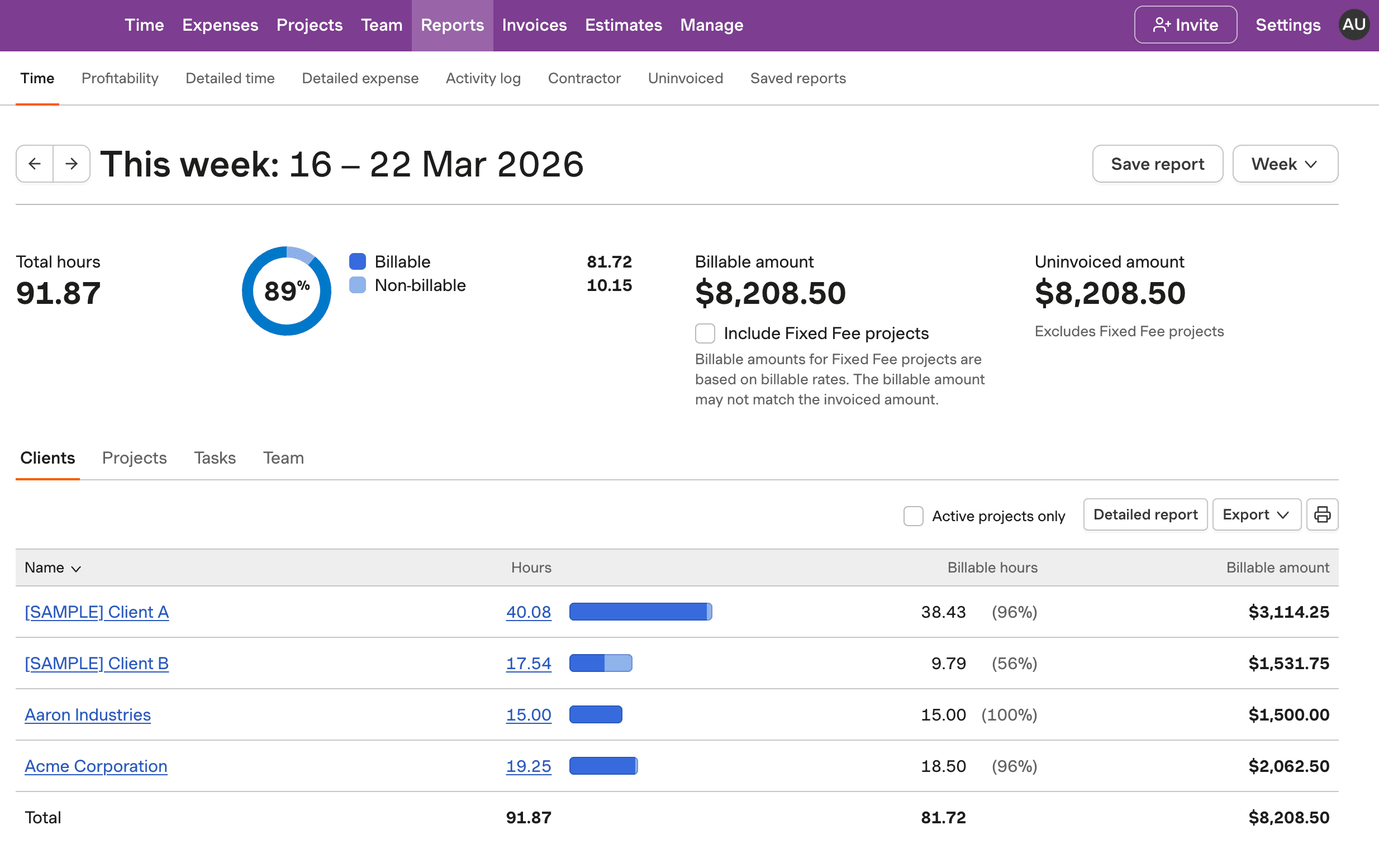
See how Harvest streamlines the project management process, enhancing efficiency from initiation to closure with detailed tracking and reporting.

Project management process dashboard in Harvest

Project Management Process FAQs

  • The project management process consists of five main phases: Initiation, Planning, Execution, Monitoring & Controlling, and Closure. These phases provide a structured approach to managing projects from start to finish.

  • Implementing the process effectively involves defining clear objectives, creating a comprehensive plan, executing tasks, monitoring progress, and closing the project with a post-project review. Each phase requires specific actions and strategies to ensure success.

  • Tools like Gantt charts, Work Breakdown Structures, and project management software such as Harvest can assist by providing planning, tracking, and reporting capabilities. Harvest specifically excels in monitoring and controlling phases with detailed project overviews.

  • Common challenges include unclear goals, resource constraints, and scope creep. Setting clear objectives and effective resource management can mitigate these challenges. Harvest aids in managing these issues with its tracking and reporting features.

  • Processes differ by industry; for example, software development often uses Agile methodologies for flexibility, while construction may prefer Waterfall for detailed planning. Harvest adapts to various methodologies, ensuring efficient project management across industries.

  • Harvest enhances project management by providing detailed tracking and reporting features, helping teams monitor progress and control project phases effectively. It integrates with popular tools to streamline workflows and improve efficiency.

  • Yes, Harvest integrates seamlessly with tools like Asana, Trello, and Jira, among others, allowing for enhanced collaboration and project management efficiency.

  • The Monitoring & Controlling phase is crucial for tracking project performance against the plan. It helps in identifying deviations and implementing corrective actions, ensuring that the project meets its objectives within the set timelines and budget.