
Harvest
Time Tracking
Sign up free

Project Analytics Dashboard

Harvest provides a robust project analytics dashboard that delivers real-time insights to enhance project performance and profitability.

Try Harvest Free

Will this project be profitable?

Estimate your project cost, set the right price, and know exactly how many hours your team can spend before margin disappears.

Total hours across all team members
$
Average rate across all roles on the project
15%
Scope creep is real. Most projects need 10-25% buffer to stay profitable.
Recommended project price $0
Base cost (before buffer) $0
Hours per person per week 0h
Weekly burn rate $0
Max hours before loss 0h

Track project hours with Harvest

Walk through the entire flow below. Start a timer, check your reports, and create a real invoice — all in three clicks.

Go ahead — start tracking!

One click and you're timing. Try it right here: start a timer, add an entry, edit the details. This is exactly how it feels in Harvest.

  • One-click timer from browser, desktop & mobile
  • Works inside Jira, Asana, Trello, GitHub & 50+ tools
  • Duration or start/end — your call
  • Day, week & calendar views to stay on top of it all
  • Friendly reminders so no hour gets left behind
Acme Corp
Website Redesign
Homepage layout revisions
1:24:09
Content Strategy
Blog calendar planning
1:30:00
SEO Audit
Technical audit report
0:45:00
Brand Guidelines
Color system documentation
2:15:00
Logo Concepts
Initial sketches round 1
1:00:00

The Strategic Imperative of Project Analytics Dashboards

Project analytics dashboards are indispensable tools for modern project management, offering real-time insights that drive data-driven decision-making and enhance project outcomes. These dashboards consolidate complex project data into visually digestible formats, such as charts and graphs, enabling teams to quickly identify issues and make informed decisions. For instance, real-time tracking of project health, timelines, and milestones facilitates immediate action, reducing delays and improving overall efficiency.

Adopting a project analytics dashboard can significantly reduce the reliance on spreadsheets for agile project planning, which has dropped from 74% to 67%. This shift underscores the transition to more dynamic, interactive reporting tools that offer superior transparency and stakeholder alignment. With customizable views tailored to different audiences, dashboards promote a shared understanding of project objectives, fostering collaboration and continuous improvement across teams.
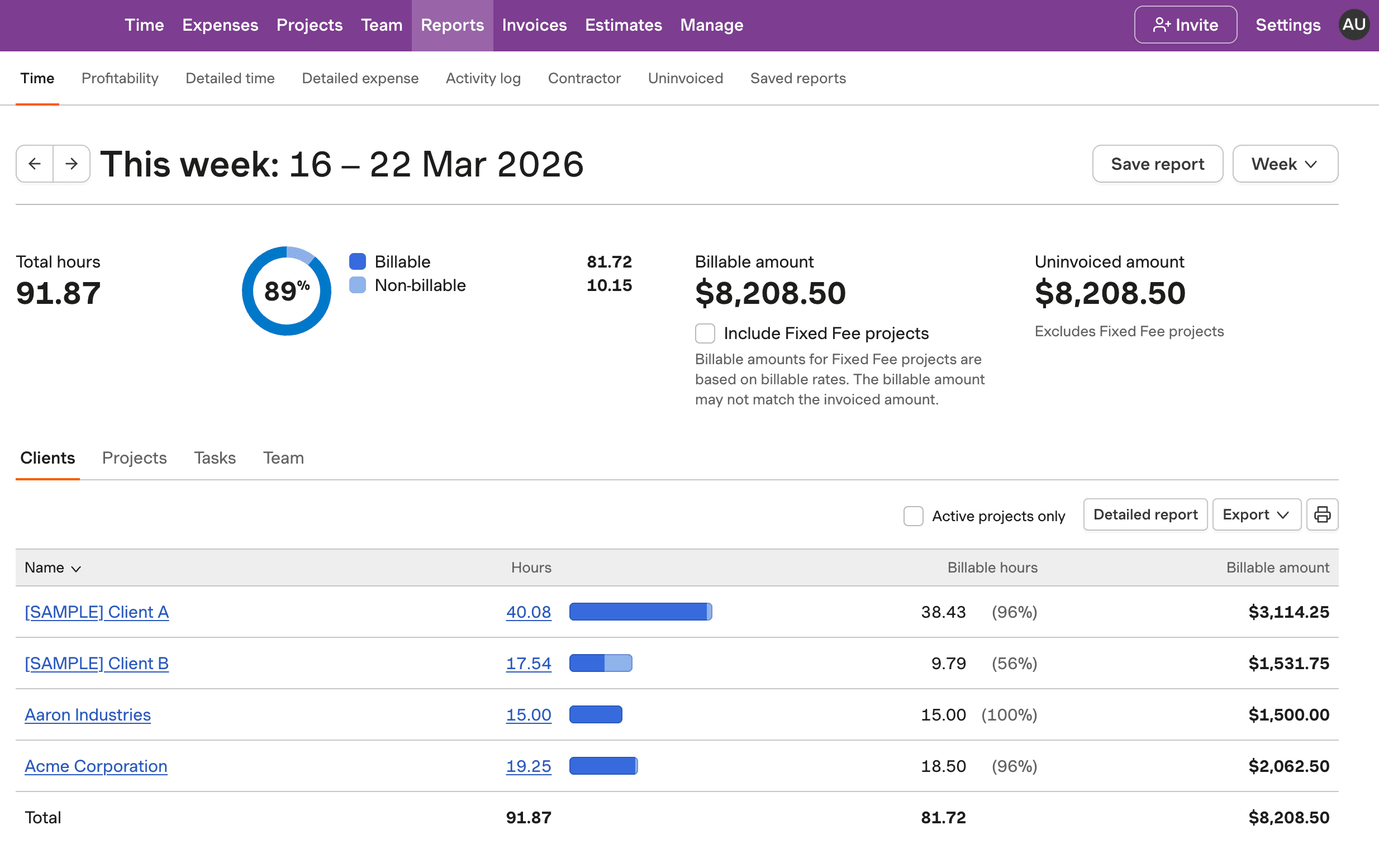
Anatomy of an Effective Project Dashboard: Key Features and Customization

An effective project analytics dashboard is characterized by its ability to offer real-time tracking, customizable visualizations, and seamless data integration. These features ensure that project managers and stakeholders have access to up-to-date information, enhancing decision-making and project oversight. Essential elements include activity tracking, risk status indicators, financial oversight, and milestone tracking.

Customization is pivotal for maximizing the utility of dashboards. Tailoring layouts, filters, and metrics to suit different roles—be it executives or project managers—ensures relevant data is highlighted. For instance, a dashboard could offer executives a high-level overview of project portfolios, while providing team members detailed insights into daily tasks. Designing for clarity, simplicity, and user-friendliness prevents information overload, making the dashboard an efficient tool rather than a data dump.

Defining Success: Key Performance Indicators (KPIs) for Project Performance

Key Performance Indicators (KPIs) are crucial for measuring project success, linking directly to strategic and operational goals. Effective dashboards focus on KPIs across several categories: time, cost, quality, and resources. For example, time-related KPIs might include on-time completion rates and schedule variance, while cost KPIs could cover budget variance and earned value. Quality metrics often involve defect rates and issue resolution times, and resource metrics include utilization and allocation efficiency.

Selecting the right KPIs is vital, as they should align with project objectives and broader business outcomes. Emphasizing actionable insights over vanity metrics ensures that the dashboard drives meaningful improvements. By focusing on a concise set of 5-10 critical metrics, teams can maintain sharp focus on achieving project goals and ensuring optimal performance.

Building Your Dashboard: Data Integration and Best Practices

Constructing an effective project analytics dashboard involves several key steps, starting with defining objectives and selecting relevant KPIs. Once these foundations are laid, the next step is to identify and map data sources, ensuring that all necessary information from CRMs, ERPs, and financial systems is included. Clean and structured data is essential, requiring standardization and validation to ensure accuracy.

Data integration can be achieved through various methods, such as using native business intelligence tools or leveraging cloud-based data warehouses. Continuous iteration and user feedback are crucial for refining the dashboard’s effectiveness. Regular testing and validation against known reports help maintain data quality and relevance, while automation ensures the dashboard remains up-to-date with minimal manual intervention.

Explore Harvest's Project Analytics Dashboard

See how Harvest's project analytics dashboard provides real-time insights into project performance and profitability.

Screenshot of Harvest project analytics dashboard with real-time data insights.

Project Analytics Dashboard FAQs

  • A project analytics dashboard features real-time tracking, customizable visualizations, and data integration capabilities. It allows for real-time updates on project timelines, risks, and budgets, providing actionable insights to enhance project management.

  • Customization involves tailoring the dashboard's layout, filters, and metrics to meet specific needs. This can include adjusting views for different roles, such as executives or project managers, and integrating relevant KPIs to highlight critical project data.

  • Focus on KPIs related to time, cost, quality, and resources. Key metrics include schedule variance, budget variance, defect rates, and resource utilization. These indicators align with strategic goals and drive actionable insights for project success.

  • Integrate data sources by identifying all relevant systems like CRM and ERP tools, then using BI tools or data warehouses for seamless integration. This ensures comprehensive and accurate data representation on the dashboard.

  • Harvest's dashboard provides real-time insights into project health and performance, enabling quicker identification of issues and informed decision-making. Its real-time budget monitoring and profitability analysis help prevent cost overruns and identify high-margin projects.

  • Yes, Harvest's dashboard tracks project utilization rates, offering capacity reporting to help balance team workloads effectively. This feature supports efficient resource allocation and workload management.

  • Real-time visibility allows for immediate identification of project issues, enabling timely interventions and reducing delays. This feature enhances the decision-making process and improves overall project performance.