
Harvest
Time Tracking
Sign up free

Project Management for Cross Functional Teams

Struggling with cross-functional team management? Harvest provides the tools needed for effective project frameworks and progress monitoring, ensuring success.

Try Harvest Free

Will this project be profitable?

Estimate your project cost, set the right price, and know exactly how many hours your team can spend before margin disappears.

Total hours across all team members
$
Average rate across all roles on the project
15%
Scope creep is real. Most projects need 10-25% buffer to stay profitable.
Recommended project price $0
Base cost (before buffer) $0
Hours per person per week 0h
Weekly burn rate $0
Max hours before loss 0h

Track project hours with Harvest

Walk through the entire flow below. Start a timer, check your reports, and create a real invoice — all in three clicks.

Go ahead — start tracking!

One click and you're timing. Try it right here: start a timer, add an entry, edit the details. This is exactly how it feels in Harvest.

  • One-click timer from browser, desktop & mobile
  • Works inside Jira, Asana, Trello, GitHub & 50+ tools
  • Duration or start/end — your call
  • Day, week & calendar views to stay on top of it all
  • Friendly reminders so no hour gets left behind
Acme Corp
Website Redesign
Homepage layout revisions
1:24:09
Content Strategy
Blog calendar planning
1:30:00
SEO Audit
Technical audit report
0:45:00
Brand Guidelines
Color system documentation
2:15:00
Logo Concepts
Initial sketches round 1
1:00:00

Understanding Cross-Functional Teams in Project Management

Cross-functional teams bring together individuals from various departments such as marketing, sales, and product development to work towards a shared objective. These teams are essential for breaking down organizational silos, fostering innovation, and enhancing decision-making processes. Despite the potential benefits, research indicates that 75% of cross-functional teams are not successful, highlighting the critical need for effective management strategies.

Successful cross-functional teams are characterized by a shared purpose, diverse skills, strong leadership, and a culture of trust and mutual respect. Such teams are crucial in modern organizations for addressing complex challenges and improving problem-solving capabilities. Moreover, effective cross-functional collaboration can significantly reduce production cycle times and enhance organizational agility, making it a competitive advantage in today's fast-paced business environment.
Common Challenges and Pitfalls

Managing cross-functional teams comes with its set of challenges. One major issue is communication barriers, often caused by industry-specific jargon and differing communication styles. This can lead to "collaboration drag," making organizations 37% less likely to meet their revenue and profit targets. Conflicting goals and priorities among departments further complicate the scenario, often resulting in a lack of accountability and unclear roles.

Building trust and ensuring psychological safety are critical in overcoming these challenges. Without psychological safety, team members may hesitate to express ideas or take risks, impacting overall performance. Furthermore, leadership plays a pivotal role in establishing clear communication guidelines and aligning the team towards a shared vision, thus mitigating these common pitfalls.

Strategies for Effective Cross-Functional Project Management

Effective management of cross-functional teams begins with establishing clear objectives and a shared vision. Defining specific goals aligned with the company's overarching mission provides a roadmap for success. Utilizing tools like a RACI chart can help define roles and responsibilities, ensuring that tasks are distributed effectively and there are no overlaps or gaps.

Communication frameworks and guidelines are essential for maintaining clarity and cohesion within the team. Regular meetings, real-time messaging platforms, and project management tools facilitate seamless communication. Additionally, fostering a culture of trust and psychological safety encourages team members to voice their opinions and collaborate more openly, leading to innovative solutions and productive outcomes.

Essential Tools and Technologies for Collaboration

To facilitate cross-functional collaboration, leveraging the right tools and technologies is crucial. Project management software that supports task management, visual planning, and reporting is indispensable. These tools provide a centralized platform for tracking project progress and managing tasks efficiently. Communication platforms such as real-time messaging and video conferencing further enhance team interaction.

Shared workspaces and document management systems ensure easy access to critical information and foster transparency. Automation and integration capabilities streamline processes and reduce manual workload, allowing team members to focus on high-value tasks. Tools like Harvest excel in providing clear project frameworks and monitoring tools, making them ideal for managing cross-functional team projects effectively.

Cultivating a Culture of Cross-Functional Collaboration

Leadership is crucial in championing cross-functional collaboration. By encouraging diversity and inclusive participation, leaders can drive innovation and improve team dynamics. Regular evaluation and feedback loops allow for continuous improvement and adaptation of strategies, ensuring the team remains aligned with its goals.

Team-building activities and fostering interpersonal relationships are vital for maintaining a cohesive team environment. Encouraging knowledge sharing and continuous learning opportunities further enhances team capabilities and performance. With the right leadership and a culture of collaboration, cross-functional teams can achieve remarkable results, driving organizational success.

Manage Cross-Functional Teams with Harvest

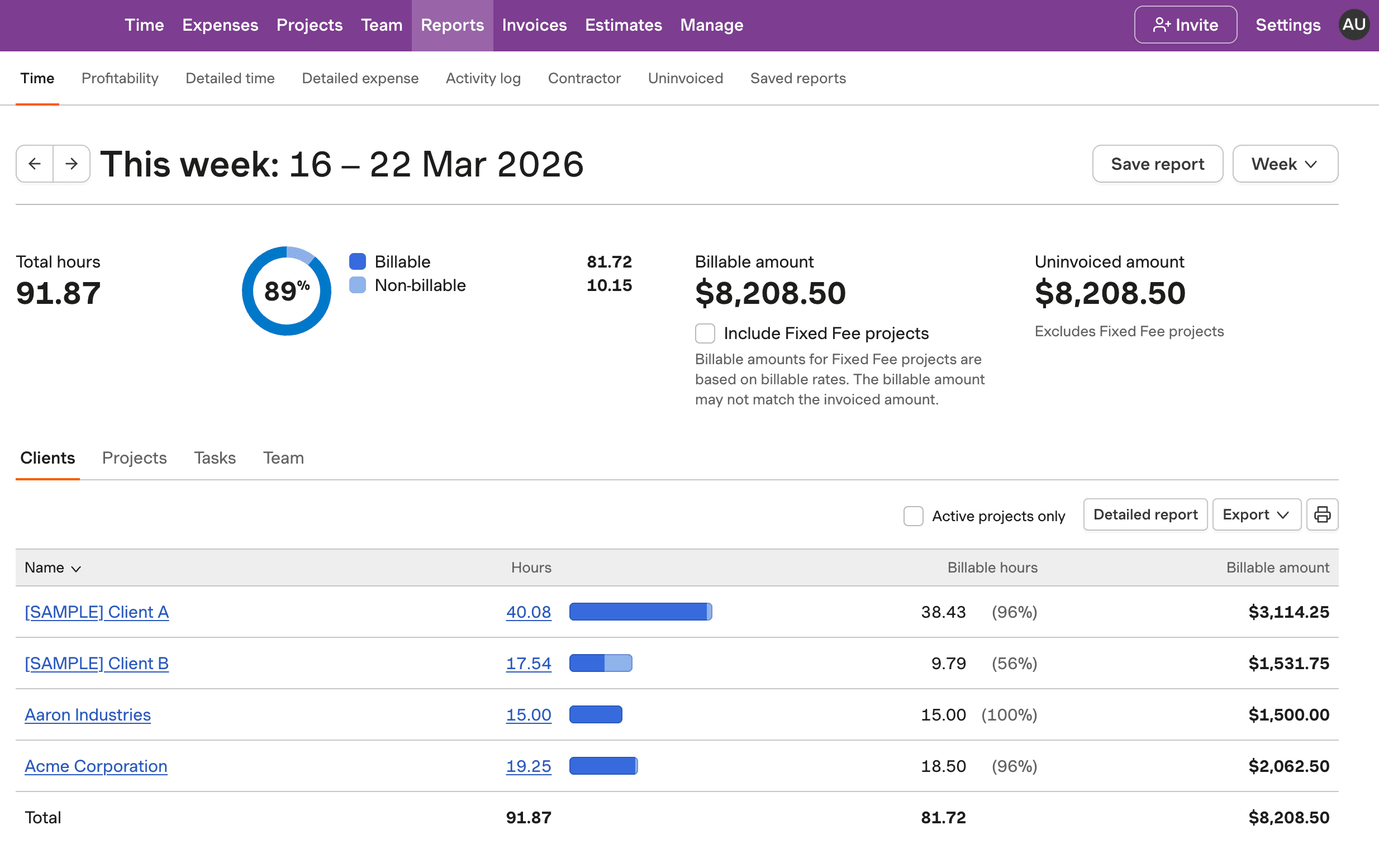
Discover how Harvest helps manage cross-functional teams with clear project frameworks and progress monitoring tools.

Screenshot of Harvest interface for cross-functional team management

Project Management for Cross Functional Teams FAQs

  • Cross-functional teams consist of individuals from different departments like marketing, sales, and product development working towards a common goal. These teams are designed to break down silos and enhance innovation and decision-making.

  • Cross-functional teams often encounter communication barriers, conflicting goals, and lack of accountability. These challenges can result in "collaboration drag," making organizations 37% less likely to meet revenue targets.

  • Improving communication involves establishing clear guidelines and using centralized communication channels. Tools like real-time messaging platforms and regular meetings help maintain clarity and cohesion among team members.

  • Project management tools that support task management, visual planning, and reporting are essential. Harvest offers project frameworks and monitoring tools that enhance cross-functional collaboration and communication.

  • Harvest provides tools for establishing clear project frameworks and monitoring progress, ensuring transparent communication and effective management of cross-functional team projects.

  • Key roles in a cross-functional team include leaders who foster alignment and communication, and members from various departments contributing diverse skills and perspectives towards the team’s objectives.

  • Success can be measured by evaluating team performance against set objectives, assessing collaboration effectiveness, and gathering feedback. Continuous evaluation helps refine strategies and improve outcomes.

  • Leaders can foster psychological safety by encouraging open communication, modeling vulnerability, and creating an environment where team members feel safe to express ideas without fear of negative consequences.

  • Effective conflict resolution involves establishing structured approaches, designating decision-makers for impasses, and employing protocols like "disagree and commit" to turn disagreements into productive outcomes.