
Harvest
Time Tracking
Sign up free

Project Management for Operations Teams

Operations teams often struggle with strategic alignment and resource management. Harvest helps manage project budgets and time effectively, ensuring operational success.

Try Harvest Free

Will this project be profitable?

Estimate your project cost, set the right price, and know exactly how many hours your team can spend before margin disappears.

Total hours across all team members
$
Average rate across all roles on the project
15%
Scope creep is real. Most projects need 10-25% buffer to stay profitable.
Recommended project price $0
Base cost (before buffer) $0
Hours per person per week 0h
Weekly burn rate $0
Max hours before loss 0h

Track project hours with Harvest

Walk through the entire flow below. Start a timer, check your reports, and create a real invoice — all in three clicks.

Go ahead — start tracking!

One click and you're timing. Try it right here: start a timer, add an entry, edit the details. This is exactly how it feels in Harvest.

  • One-click timer from browser, desktop & mobile
  • Works inside Jira, Asana, Trello, GitHub & 50+ tools
  • Duration or start/end — your call
  • Day, week & calendar views to stay on top of it all
  • Friendly reminders so no hour gets left behind
Acme Corp
Website Redesign
Homepage layout revisions
1:24:09
Content Strategy
Blog calendar planning
1:30:00
SEO Audit
Technical audit report
0:45:00
Brand Guidelines
Color system documentation
2:15:00
Logo Concepts
Initial sketches round 1
1:00:00

The Strategic Imperative of Project Management for Operations

Project management is vital for operations teams aiming to align their projects with broader business objectives. Only 59% of traditional enterprises complete projects within the original budget, highlighting the need for structured approaches. Operations teams must go beyond daily tasks to strategically manage projects that drive organizational efficiency and growth. Implementing robust project management practices ensures that initiatives not only meet deadlines but also contribute to strategic value creation and competitive advantage.

Effective project management in operations involves setting clear goals, as a lack of them is cited in 37% of project failures. By aligning operational projects with business objectives, teams ensure that every effort contributes to the organization's success. This strategic alignment enhances not only efficiency but also fosters innovation and flexibility, enabling teams to adapt to market changes and new opportunities.
Core Strategies for Project Prioritization and Planning

Operations teams must prioritize and plan projects effectively to ensure successful outcomes. One of the key strategies is to evaluate tasks based on urgency, impact, and potential ROI, using tools like the Eisenhower Matrix. This structured prioritization helps in allocating resources efficiently across various projects, addressing the common challenge of resource deprivation faced by 44% of project managers.

Developing clear project scopes and objectives is essential to prevent scope creep, a frequent issue that can derail projects. Techniques such as Work Breakdown Structures (WBS) enable teams to break down projects into manageable parts, facilitating realistic planning and execution. By ensuring that each project has well-defined deliverables and timelines, operations teams can better adhere to budget constraints and strategic goals.

Enhancing Execution Through Communication and Collaboration

Effective communication is critical for project success, with 57% of project failures attributed to communication breakdowns. Operations teams must establish clear, consistent communication plans to keep stakeholders informed and engaged throughout the project lifecycle. Regular updates and feedback channels help in managing expectations and fostering a collaborative environment.

Stakeholder engagement is crucial for aligning project outcomes with business objectives. By clearly defining roles and responsibilities, teams can ensure accountability and streamline collaboration. This approach not only enhances teamwork but also mitigates risks associated with miscommunication and unclear directives, ultimately driving project success.

Tools and Metrics for Operational Project Success

Utilizing advanced project management tools can result in a 28% improvement in project performance. Operations teams should leverage tools that offer features like Gantt charts, Kanban boards, and automation to enhance project tracking and management. These tools help teams monitor key metrics such as scope adherence, budget compliance, and timeliness.

Operational efficiency metrics, such as cycle time and throughput, are vital for assessing project success. By tracking these metrics, teams can identify areas for improvement and optimize processes for better efficiency. Additionally, calculating ROI through cost-benefit analysis ensures that projects deliver tangible value to the organization, reinforcing the importance of strategic project management.

Navigating Challenges and Driving Continuous Improvement

Operations teams often face challenges like scope creep and resource constraints, which can impede project success. Implementing formal change management processes helps in navigating these challenges by providing a framework for approving scope changes and managing resources effectively. Pre-mortem meetings are a proactive approach to anticipate potential risks and develop mitigation strategies.

Continuous improvement is driven by learning from completed projects. Conducting post-project evaluations enables teams to identify lessons learned and apply them to future initiatives. By fostering a culture of continuous improvement, operations teams can enhance their project management capabilities and drive sustainable growth within their organizations.

Project Management for Operations with Harvest

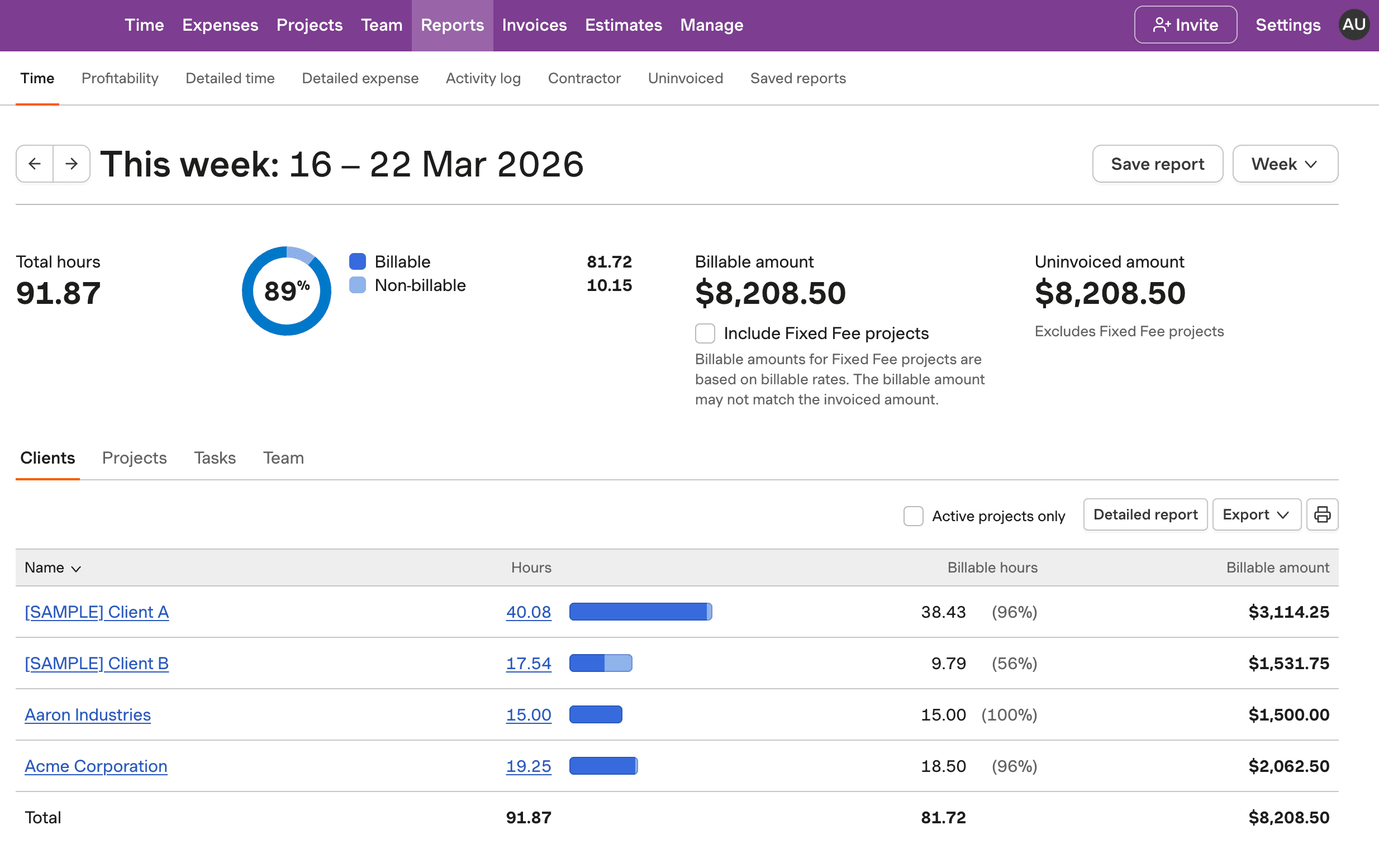
See how Harvest enhances project management for operations teams through budget tracking, time management, and strategic alignment features.

Harvest interface showing project management features for operations teams.

Project Management for Operations Teams FAQs

  • Effective strategies include setting clear objectives, prioritizing projects based on ROI and strategic alignment, and using structured methodologies like the Eisenhower Matrix. These approaches ensure that projects align with business goals and are executed efficiently.

  • Operations teams can prioritize projects by evaluating urgency, impact on business objectives, and potential ROI. Utilizing frameworks like the Eisenhower Matrix or scoring models such as RICE helps objectively rank projects based on strategic importance.

  • Advanced project management tools like Gantt charts, Kanban boards, and automation software are recommended. These tools improve project tracking and management, leading to a 28% increase in project performance.

  • Communication is crucial, with 57% of project failures attributed to communication breakdowns. Establishing clear communication plans and regular updates ensures stakeholder engagement and project alignment with business objectives.

  • Project management improves team performance by setting clear goals, defining roles, and using efficient tools. This structured approach enhances accountability and ensures projects are completed on time and within budget.

  • Harvest excels in tracking project budgets and time, providing detailed reports that help operations teams allocate resources efficiently and maximize project outcomes.

  • Yes, Harvest provides detailed reports that include operational efficiency metrics such as cycle time and throughput, allowing teams to optimize processes and improve project performance.