
Harvest
Time Tracking
Sign up free

Project Management for Developers

Harvest is the ideal tool for developers seeking to track time and manage budgets efficiently in software projects. Enhance your project management capabilities with Harvest.

Try Harvest Free

Will this project be profitable?

Estimate your project cost, set the right price, and know exactly how many hours your team can spend before margin disappears.

Total hours across all team members
$
Average rate across all roles on the project
15%
Scope creep is real. Most projects need 10-25% buffer to stay profitable.
Recommended project price $0
Base cost (before buffer) $0
Hours per person per week 0h
Weekly burn rate $0
Max hours before loss 0h

Track project hours with Harvest

Walk through the entire flow below. Start a timer, check your reports, and create a real invoice — all in three clicks.

Go ahead — start tracking!

One click and you're timing. Try it right here: start a timer, add an entry, edit the details. This is exactly how it feels in Harvest.

  • One-click timer from browser, desktop & mobile
  • Works inside Jira, Asana, Trello, GitHub & 50+ tools
  • Duration or start/end — your call
  • Day, week & calendar views to stay on top of it all
  • Friendly reminders so no hour gets left behind
Acme Corp
Website Redesign
Homepage layout revisions
1:24:09
Content Strategy
Blog calendar planning
1:30:00
SEO Audit
Technical audit report
0:45:00
Brand Guidelines
Color system documentation
2:15:00
Logo Concepts
Initial sketches round 1
1:00:00

Foundations of Project Management for Developers

Project management for developers requires a focused approach to ensure successful software delivery. Approximately 85% of software development projects fail due to inadequate management strategies, highlighting the need for precise planning and goal setting. Establishing clear project goals and objectives early in the development process is crucial. This involves defining what success looks like and setting measurable milestones. Understanding the software development lifecycle, from initiation to closure, helps structure projects effectively. The project manager's role is to facilitate rather than command, empowering development teams to collaborate and innovate.

Effective project management also involves recognizing and adapting to the unique stages of software development. Each phase, whether planning, execution, or closure, demands tailored strategies for resource management and risk mitigation. By focusing on these foundations, development teams can navigate complexities and drive projects toward successful completion.
Choosing the Right Methodologies and Frameworks

Selecting the correct project management methodology is pivotal for software development success. Agile methodologies are embraced by 71% of companies, owing to their adaptability and iterative nature. Agile frameworks like Scrum, with sprints lasting 2-4 weeks, promote continuous feedback and flexible development. Scrum excels for teams of up to 14 individuals, ensuring manageable communication and collaboration. Kanban, another Agile framework, focuses on visualizing workflows and managing work in progress, which is ideal for teams prioritizing continuous delivery.

While Agile is widespread, traditional methodologies like Waterfall can be suitable for projects with well-defined requirements. Hybrid approaches, combining elements of Agile and Waterfall, offer tailored solutions to meet specific project needs. Understanding when to apply each methodology is key to addressing the challenges faced in software development and ensuring effective project management.

Enhancing Communication and Collaboration

Poor communication is responsible for up to 86% of business failures, including in software development. Enhancing team communication and collaboration is critical for project success. Implementing the "Seven C's of Communication"—clear, concise, concrete, correct, considerate, complete, and courteous—can significantly improve interactions within development teams. Effective meetings, such as daily stand-ups and sprint reviews, should be concise with clear agendas, fostering active participation and ensuring alignment.

Transparency is another vital component, achieved through regular reporting and open dialogue with stakeholders. This transparency helps in managing expectations and fostering trust. Addressing communication challenges proactively by promoting active listening and clarifying misunderstandings further strengthens team dynamics. By prioritizing these strategies, development teams can enhance collaboration and drive project success.

Tools and Metrics for Project Management Success

Leveraging the right tools and metrics is essential for managing software projects efficiently. A significant 82% of companies use project management tools to boost efficiency, enabling task management, issue tracking, and team collaboration. Popular tools offer functionalities like time tracking, which is crucial for managing project budgets and timelines. Key performance indicators (KPIs) such as project scope adherence, timeliness, and budget compliance provide essential insights into project health.

Software-specific metrics, including lead time, velocity, and defect density, help assess development productivity and quality. Monitoring these metrics can lead to improved outcomes, as evidenced by a 40% reduction in post-deployment issues through real-time monitoring. By integrating these tools and metrics, development teams can enhance project visibility, accountability, and ultimately, success.

Navigating Development Challenges and Ensuring Quality

Software developers face numerous challenges, with 33% citing unclear requirements as a primary hurdle. Managing changing requirements is crucial for adaptive planning and preventing scope creep. Implementing strategies for proactive risk identification and mitigation helps foresee potential issues and allocate resources effectively. Quality assurance practices, such as testing, code reviews, and continuous integration, ensure high software quality throughout the development process.

Team dynamics also play a significant role in project success. Addressing resource allocation and fostering a culture of continuous improvement encourages accountability and collaboration. By acknowledging and navigating these challenges, development teams can maintain high standards and deliver successful projects.

Project Management with Harvest

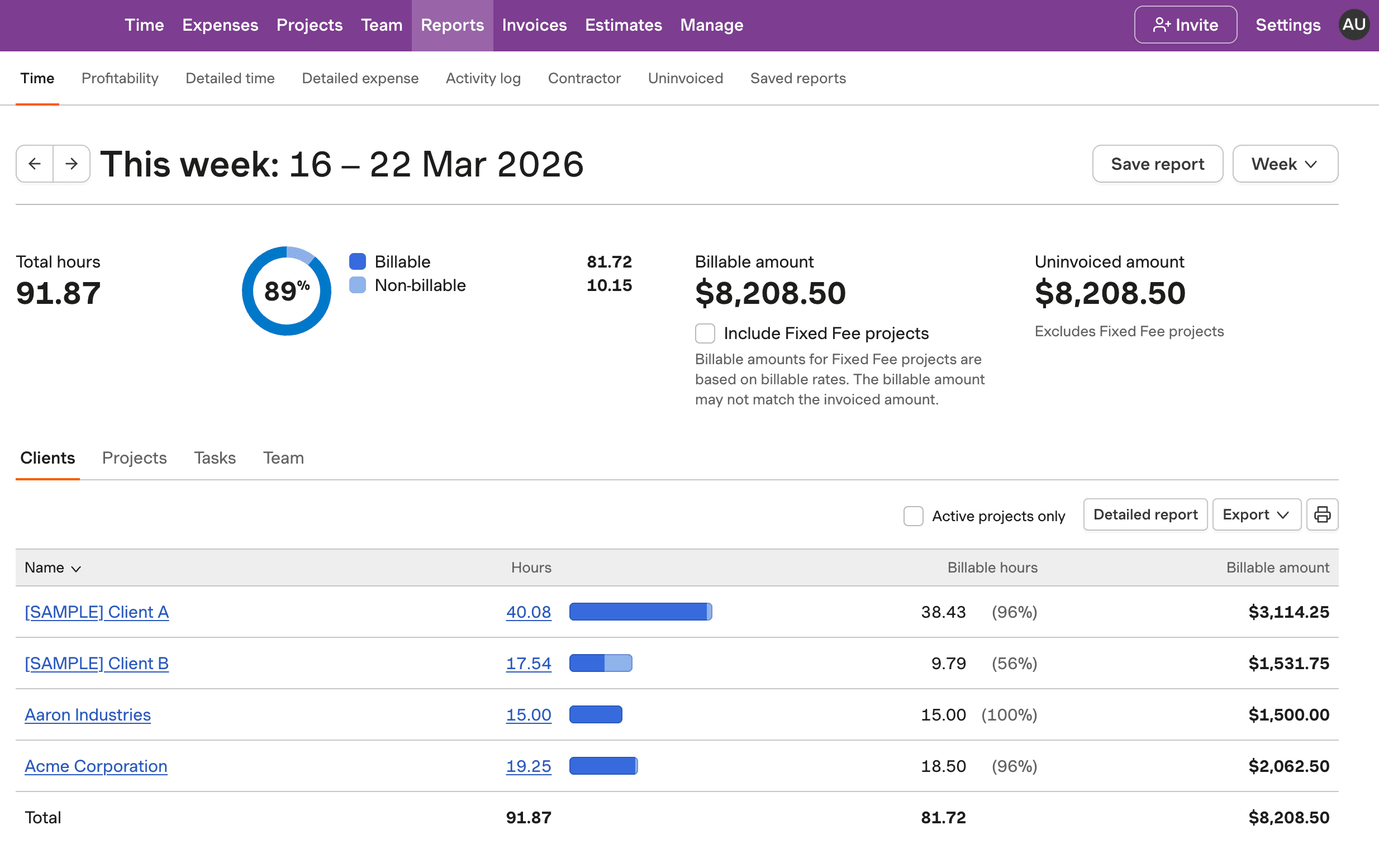
Explore how Harvest simplifies project management for developers by tracking time and managing budgets efficiently.

Project management dashboard in Harvest for developers

Project Management for Developers FAQs

  • Agile methodologies are widely regarded as the best for software development, with 71% of companies adopting them. They offer flexibility and iterative development, essential for managing dynamic projects. Scrum and Kanban are popular Agile frameworks that enhance team collaboration and productivity.

  • Improving communication involves implementing the "Seven C's"—clear, concise, concrete, correct, considerate, complete, and courteous. Effective meetings with clear agendas and regular reporting enhance transparency and collaboration, reducing misunderstandings and fostering teamwork.

  • Project management tools like Harvest are effective for managing software projects. They offer features for time tracking, task management, and collaboration, enabling teams to organize work efficiently and meet project goals.

  • Key metrics include lead time, velocity, defect density, and user satisfaction. Monitoring these metrics helps assess project health and quality, driving continuous improvement and successful project delivery.

  • Agile methodology facilitates flexibility and iterative development, allowing teams to adapt to changes and continuously improve. It promotes regular feedback, short sprints, and collaborative work environments, essential for managing complex software projects.

  • Harvest helps by tracking time against project budgets, providing detailed reports on expenses and team utilization. This enables developers to manage resources effectively and ensure projects stay within financial limits.

  • Common challenges include unclear requirements, scope creep, and communication barriers. Addressing these with clear planning, adaptive methodologies, and effective communication strategies can lead to successful project outcomes.