
Harvest
Time Tracking
Sign up free

Project Management for Energy Sector

Energy projects often exceed budgets by 15-20%, but Harvest helps manage these complexities with robust project tracking and budgeting tools.

Try Harvest Free

Will this project be profitable?

Estimate your project cost, set the right price, and know exactly how many hours your team can spend before margin disappears.

Total hours across all team members
$
Average rate across all roles on the project
15%
Scope creep is real. Most projects need 10-25% buffer to stay profitable.
Recommended project price $0
Base cost (before buffer) $0
Hours per person per week 0h
Weekly burn rate $0
Max hours before loss 0h

Track project hours with Harvest

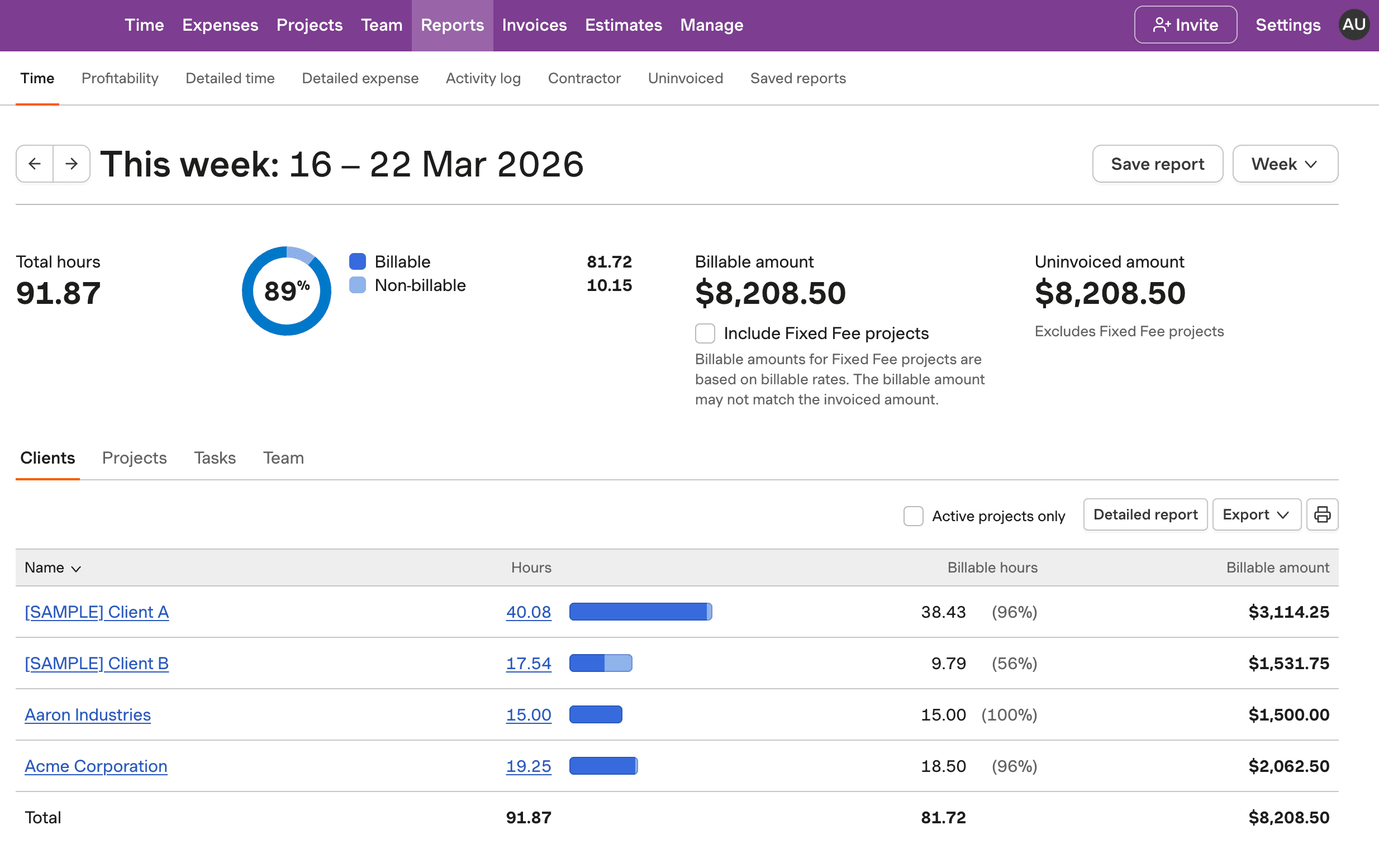
Walk through the entire flow below. Start a timer, check your reports, and create a real invoice — all in three clicks.

Go ahead — start tracking!

One click and you're timing. Try it right here: start a timer, add an entry, edit the details. This is exactly how it feels in Harvest.

  • One-click timer from browser, desktop & mobile
  • Works inside Jira, Asana, Trello, GitHub & 50+ tools
  • Duration or start/end — your call
  • Day, week & calendar views to stay on top of it all
  • Friendly reminders so no hour gets left behind
Acme Corp
Website Redesign
Homepage layout revisions
1:24:09
Content Strategy
Blog calendar planning
1:30:00
SEO Audit
Technical audit report
0:45:00
Brand Guidelines
Color system documentation
2:15:00
Logo Concepts
Initial sketches round 1
1:00:00

Key Components of Project Management in the Energy Sector

Effective project management in the energy sector involves a comprehensive understanding of several key components, each critical to successful project delivery. The project management lifecycle for energy projects includes development, construction, and operations and maintenance phases. During the development phase, initial planning, site selection, and environmental and social impact assessments are crucial. Construction involves executing plans while managing workforce coordination and material supply. Finally, operations and maintenance focus on ongoing performance monitoring and compliance reviews.

Energy projects frequently experience significant cost overruns and delays, averaging 40% more than initially estimated and taking almost two years longer to complete. For instance, nuclear power plants often encounter a 102.5% cost overrun, adding $1.56 billion to their budget. Understanding these challenges is vital for project managers in the energy sector, as they navigate intricate regulatory landscapes and diverse stakeholder requirements.
Unique Challenges Faced by Energy Projects

Energy projects, particularly those in the renewable sector, face unique challenges compared to other industries. The complex regulatory environment demands detailed compliance strategies, as projects often run 15% to 20% over budget. For instance, the National Environmental Policy Act (NEPA) process for energy projects in the U.S. takes an average of 3 years, with hydroelectric projects averaging 5.1 years for approval.

Moreover, the geographical complexity of projects located in remote or environmentally sensitive areas introduces logistical challenges. Renewable energy projects are projected to meet 95% of the growing electricity demand by 2027, underscoring the importance of overcoming these hurdles to ensure timely and budget-compliant project delivery. Harvest’s project tracking and budgeting tools can help manage these complexities by providing insights into budgets, costs, and progress.

Navigating Regulatory Compliance in Energy Projects

Regulatory compliance is a critical aspect of project management in the energy sector. Project managers must be familiar with a myriad of local, regional, and international regulations. In the U.S., key regulations include the Clean Air Act, Clean Water Act, and Resource Conservation and Recovery Act. Understanding and integrating these regulatory milestones into project frameworks is essential.

Effective compliance strategies involve developing comprehensive plans to track progress, leveraging contract management to support regulatory adherence, and employing digital tracking systems for record-keeping. Harvest’s tools can assist in this area by integrating compliance milestones into project planning, ensuring that projects remain within legal boundaries and avoid costly delays.

Best Practices for Managing Renewable Energy Projects

Managing renewable energy projects requires adherence to best practices that address the sector's unique challenges. The Environmental Impact Assessment (EIA) process is one such practice, involving screening, scoping, impact prediction, mitigation planning, and ongoing monitoring. Solar and wind projects benefit from shorter NEPA EIS processes, taking 27 to 45 months compared to the average of 54 months.

Stakeholder engagement is another critical practice, involving early and continuous dialogue, transparent communication, and proactive issue resolution. These practices foster collaboration and trust, ensuring project support and successful outcomes. Harvest's project tracking tools can integrate these best practices, providing project managers with the insights needed to optimize project planning and execution.

Optimize Energy Projects with Harvest

See how Harvest supports the management of complex energy sector projects, focusing on budgets, compliance, and stakeholder engagement.

Harvest project management tools for energy sector projects.

Project Management for Energy Sector FAQs

  • Key components include development, construction, and operations and maintenance phases. Each phase involves specific tasks such as site selection, workforce coordination, and compliance reviews.

  • Energy projects face challenges like cost overruns, regulatory complexities, and geographical constraints. For example, nuclear plants often exceed budgets by 102.5%, adding $1.56 billion to costs.

  • Managers should understand applicable regulations, develop compliance plans, and use digital systems for tracking. Harvest can assist by integrating compliance milestones into project management.

  • Best practices include thorough Environmental Impact Assessments and proactive stakeholder engagement. Solar and wind projects benefit from shorter NEPA processes, taking 27 to 45 months.

  • Engagement involves early dialogue, transparent communication, and collaboration, which build trust and support for projects. This is crucial for overcoming sector-specific challenges.

  • Harvest provides insights into budgets, costs, and progress, helping manage long project lifecycles effectively in the renewable energy sector.

  • Yes, Harvest helps manage cost overruns by providing project budgets and alerts when limits are approaching, ensuring financial control.