
Harvest
Time Tracking
Sign up free

Project Management for Enterprises

Harvest is the ultimate solution for enterprises seeking to enhance project management capabilities, providing detailed project-level management and reporting.

Try Harvest Free

Will this project be profitable?

Estimate your project cost, set the right price, and know exactly how many hours your team can spend before margin disappears.

Total hours across all team members
$
Average rate across all roles on the project
15%
Scope creep is real. Most projects need 10-25% buffer to stay profitable.
Recommended project price $0
Base cost (before buffer) $0
Hours per person per week 0h
Weekly burn rate $0
Max hours before loss 0h

Track project hours with Harvest

Walk through the entire flow below. Start a timer, check your reports, and create a real invoice — all in three clicks.

Go ahead — start tracking!

One click and you're timing. Try it right here: start a timer, add an entry, edit the details. This is exactly how it feels in Harvest.

  • One-click timer from browser, desktop & mobile
  • Works inside Jira, Asana, Trello, GitHub & 50+ tools
  • Duration or start/end — your call
  • Day, week & calendar views to stay on top of it all
  • Friendly reminders so no hour gets left behind
Acme Corp
Website Redesign
Homepage layout revisions
1:24:09
Content Strategy
Blog calendar planning
1:30:00
SEO Audit
Technical audit report
0:45:00
Brand Guidelines
Color system documentation
2:15:00
Logo Concepts
Initial sketches round 1
1:00:00

Understanding Enterprise Project Management

Enterprise Project Management (EPM) is a strategic framework that enables organizations to manage and oversee projects across the entire enterprise, ensuring alignment with overarching business objectives. Unlike traditional project management, which often focuses on individual projects, EPM provides a holistic view, allowing for standardized approaches and consistent project execution across departments. This framework was formalized in the 1990s and has since become integral for businesses seeking to enhance efficiency and strategic alignment.

Organizations adopting EPM benefit from centralized project oversight, which facilitates better resource allocation and risk management. As enterprises grow, the complexity of managing multiple projects simultaneously increases, necessitating a comprehensive strategy that EPM offers. By adopting EPM, businesses can better synchronize project goals with corporate strategy, leading to improved outcomes and competitive advantage.
Key Components of Enterprise Project Management

The foundation of successful Enterprise Project Management lies in its core components, which include strategic alignment, standardized processes, and robust governance structures. Strategic alignment ensures that each project supports the broader business objectives, maximizing the value delivered through cohesive efforts. Standardized processes provide a consistent framework that streamlines project execution, reducing variability and enhancing predictability.

Governance structures are crucial in EPM, as they establish clear roles, responsibilities, and decision-making hierarchies. This not only improves accountability but also enhances transparency across the project lifecycle. Furthermore, EPM integrates performance monitoring through advanced metrics and KPIs, enabling ongoing evaluation and adjustment of strategies to meet evolving business needs. Harvest, with its detailed project-level management capabilities, supports enterprises in implementing these components effectively.

Benefits of Implementing EPM in Organizations

Implementing Enterprise Project Management (EPM) brings significant benefits to organizations, including enhanced project visibility and decision-making capabilities. EPM provides a centralized platform for tracking project performance, allowing stakeholders to access real-time data and insights. This transparency facilitates informed decision-making and ensures projects remain aligned with strategic goals.

Another key benefit is improved resource optimization. EPM enables organizations to allocate resources efficiently, reducing wastage and maximizing productivity. By leveraging tools like Harvest, which offers performance monitoring through detailed reports and metrics, enterprises can ensure optimal resource use and timely project delivery. Additionally, EPM fosters collaboration across departments, breaking down silos and encouraging a more integrated approach to project management.

Strategies for Effective Resource Optimization in EPM

Effective resource optimization is crucial in Enterprise Project Management (EPM) to ensure projects are delivered on time and within budget. One strategy involves implementing a robust resource allocation plan that considers both current and future needs. This proactive approach helps prevent bottlenecks and ensures the availability of necessary resources throughout the project lifecycle.

Additionally, leveraging technology tools like Harvest can significantly enhance resource optimization. Harvest's detailed reporting and insights provide organizations with the data needed to make informed resource allocation decisions. By analyzing metrics and KPIs, enterprises can identify areas of inefficiency and adjust their strategies accordingly. This data-driven approach not only improves resource utilization but also enhances overall project performance.

Enhance Enterprise Project Management with Harvest

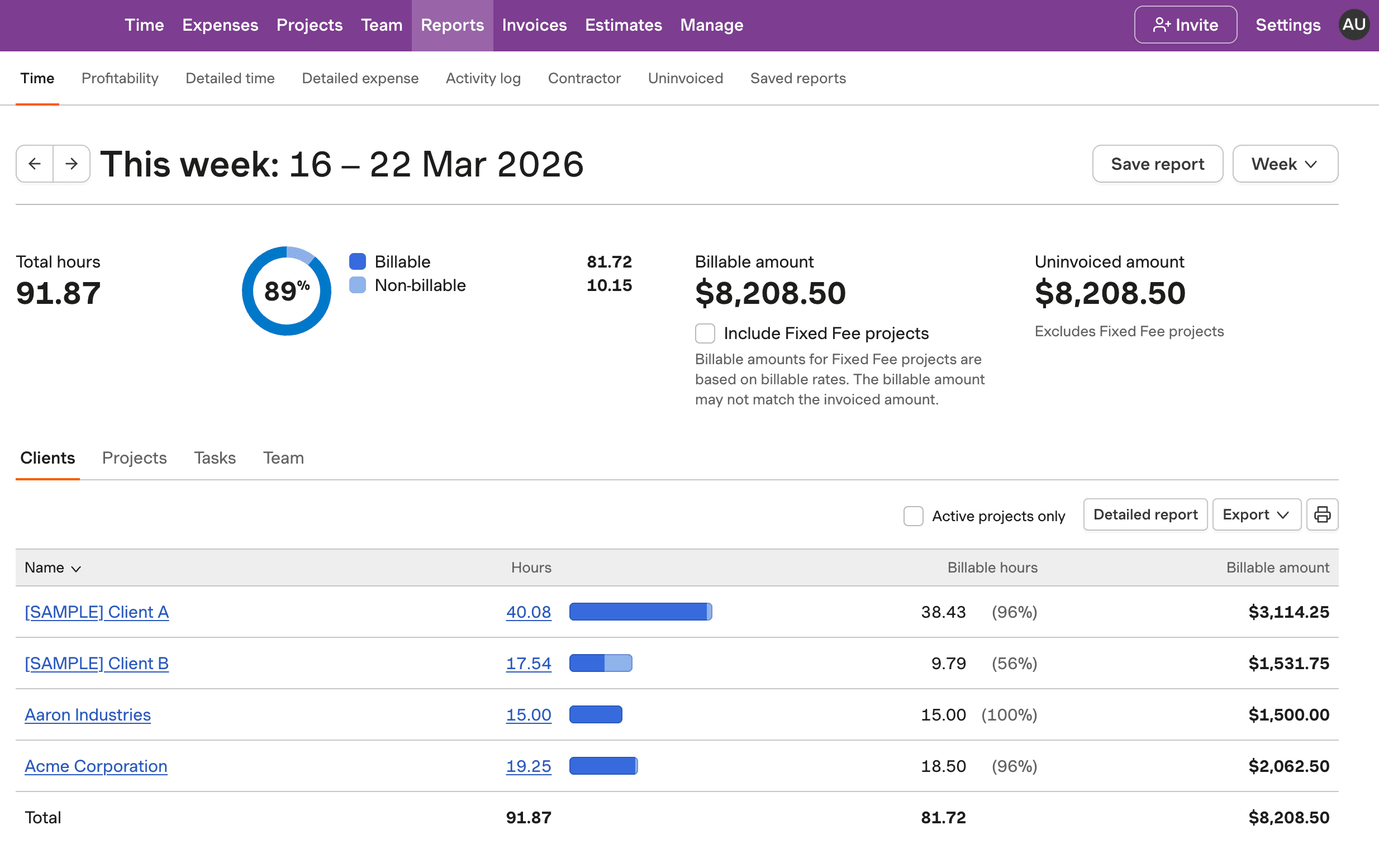
See how Harvest provides detailed project-level management and reporting, perfect for enterprises.

Harvest dashboard showcasing project management for enterprises.

Project Management for Enterprises FAQs

  • Enterprise Project Management (EPM) consists of strategic alignment, standardized processes, and strong governance structures. These components ensure projects align with business objectives, follow a consistent execution framework, and maintain accountability through clear roles and decision-making hierarchies.

  • EPM differs from traditional project management by providing a holistic and strategic framework for managing multiple projects across an organization. It focuses on aligning projects with business goals and standardizing processes, whereas traditional project management often centers on individual project execution.

  • Enterprise Project Management (EPM) enhances project visibility, decision-making, and resource optimization. It offers centralized oversight, real-time data access, and improved collaboration, leading to strategic alignment and increased efficiency across projects.

  • EPM improves project visibility by providing real-time data and insights through centralized systems. This transparency allows stakeholders to make informed decisions, ensuring projects align with strategic objectives and adjusting strategies as needed for optimal outcomes.

  • Effective strategies for resource optimization in EPM include proactive resource allocation planning and utilizing technology tools like Harvest. These approaches help prevent bottlenecks, ensure efficient resource use, and improve overall project performance through data-driven insights.

  • Harvest supports enterprise project management by offering detailed project-level management and reporting. Its performance monitoring capabilities through advanced metrics and KPIs help enterprises align projects with strategic goals and optimize resource use.

  • Yes, Harvest enhances collaboration by breaking down departmental silos and encouraging a more integrated approach to project management. Its centralized platform facilitates communication and coordination across teams, ensuring cohesive project execution.