
Harvest
Time Tracking
Sign up free

Project Management for Telecommunications

Harvest excels in managing the complexities of telecommunications projects, offering tools that enhance resource management and stakeholder coordination.

Try Harvest Free

Will this project be profitable?

Estimate your project cost, set the right price, and know exactly how many hours your team can spend before margin disappears.

Total hours across all team members
$
Average rate across all roles on the project
15%
Scope creep is real. Most projects need 10-25% buffer to stay profitable.
Recommended project price $0
Base cost (before buffer) $0
Hours per person per week 0h
Weekly burn rate $0
Max hours before loss 0h

Track project hours with Harvest

Walk through the entire flow below. Start a timer, check your reports, and create a real invoice — all in three clicks.

Go ahead — start tracking!

One click and you're timing. Try it right here: start a timer, add an entry, edit the details. This is exactly how it feels in Harvest.

  • One-click timer from browser, desktop & mobile
  • Works inside Jira, Asana, Trello, GitHub & 50+ tools
  • Duration or start/end — your call
  • Day, week & calendar views to stay on top of it all
  • Friendly reminders so no hour gets left behind
Acme Corp
Website Redesign
Homepage layout revisions
1:24:09
Content Strategy
Blog calendar planning
1:30:00
SEO Audit
Technical audit report
0:45:00
Brand Guidelines
Color system documentation
2:15:00
Logo Concepts
Initial sketches round 1
1:00:00

The Unique Landscape of Telecommunications Project Management

Telecommunications project management is uniquely challenging due to rapid technological evolution, high capital investments, and strict regulatory compliance. Only about 35% of projects globally meet their original time, budget, and quality targets, highlighting the complexity in this sector. Managing diverse stakeholders, including multiple vendors and regulatory bodies, is crucial for success. For instance, global supply chain issues have increased network hardware costs by 30%, complicating project delivery timelines and budgets.

Regulatory compliance is non-negotiable in telecommunications, with stringent rules governing spectrum allocation and data privacy. Non-compliance can lead to significant fines and project delays, underscoring the importance of meticulous planning and adherence to regulations. Furthermore, telecom projects often face challenges related to geographic dispersion and the need to adapt to diverse cultural and regulatory landscapes, particularly in large-scale rollouts across different regions.
Effective Methodologies and Best Practices for Telecom Projects

Implementing effective methodologies is critical in telecom project management. Agile projects outperform Waterfall with a 64% success rate, offering flexibility to adapt to rapid technological changes. This adaptability is vital for projects facing frequent market shifts and evolving customer demands. Strategic planning, which includes defining clear objectives and scope, improves project success rates to 81%. Robust risk management further enhances success, with risk-managed projects reaching a 79% completion rate.

Standardizing processes and establishing governance frameworks are essential for consistency. An effective Project Management Office (PMO) can increase success rates by 38%, helping to align projects with strategic business goals. Additionally, leveraging technology integration, like project management platforms that sync with network management systems, provides a comprehensive view of project health and supports data-driven decision-making. This approach is particularly beneficial in managing complex telecom infrastructure deployments.

Navigating Regulatory Compliance and Policy Impacts

Regulatory compliance in telecommunications is a critical aspect of project management. Projects must adhere to regulations like spectrum allocation and data privacy standards (e.g., GDPR, CCPA), with non-compliance potentially leading to severe penalties. Compliance strategies should involve proactive planning to meet time-sensitive regulatory updates, which often have fixed deadlines. Missing these can result in incomplete orders or fines.

The impact of regulatory decisions extends to market dynamics and innovation. For example, antitrust enforcement can influence mergers and collaborations within the telecom industry, affecting strategic planning. Therefore, understanding and navigating the regulatory landscape is essential for maintaining competitive advantage and ensuring project success in this heavily regulated sector.

Tools, Techniques, and Technology Integration for Success

Technology integration is a cornerstone of effective telecommunications project management. Specialized project management software enhances collaboration and efficiency, with digital tools like GIS and digital twins offering advanced capabilities for planning and monitoring. These tools help bridge gaps between "as-planned" and "as-built" scenarios, essential for managing large-scale infrastructure projects.

Automation and resource optimization tools play a significant role in managing routine tasks, allowing project managers to focus on strategic initiatives. In addition, leveraging communication platforms facilitates stakeholder engagement and ensures transparency. With Harvest, telecom projects can benefit from integrations with tools like Slack, enhancing coordination and communication across diverse teams and stakeholders.

Mastering Stakeholder Communication and Engagement

Effective stakeholder communication is vital for the success of telecommunications projects. Developing tailored communication plans and strategies can significantly enhance project outcomes. Regular updates and feedback mechanisms build trust and foster collaboration, crucial for managing high expectations in developed markets.

Identifying key stakeholders and analyzing their needs is a critical step in aligning project deliverables with business objectives. Harvest aids in this process by supporting stakeholder coordination through its integration with popular communication tools. This ensures a seamless flow of information and facilitates cross-functional collaboration, helping to drive project success in the complex telecom sector.

Streamline Telecom Projects with Harvest

Explore how Harvest optimizes telecom project management through resource and stakeholder management tools.

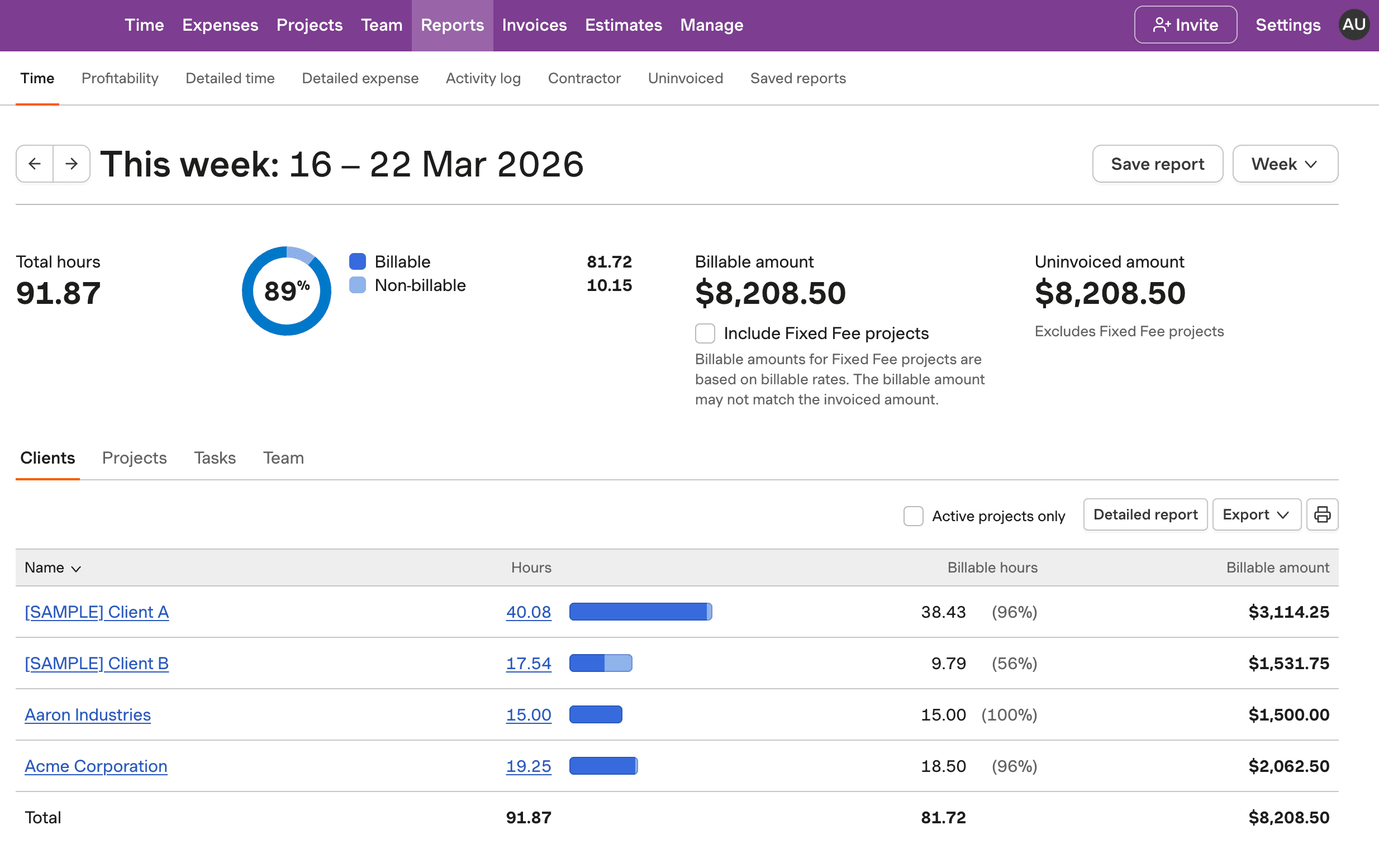
Harvest dashboard for telecom project management showing resource allocation.

Project Management for Telecommunications FAQs

  • Telecommunications project management involves navigating rapid technological changes, high capital investments, and strict regulatory compliance. Only 35% of projects meet their original targets, highlighting the sector's complexity. Managing diverse stakeholders and adapting to geographic and cultural differences are additional challenges.

  • Regulatory compliance is crucial in telecom projects due to strict rules on spectrum allocation and data privacy. Non-compliance can lead to fines and project delays. Proactive compliance strategies help meet time-sensitive regulatory updates, essential for avoiding penalties and ensuring project success.

  • Agile methodologies are highly effective in telecom projects, offering a 64% success rate due to their flexibility in adapting to market changes. Strategic planning and robust risk management also enhance project success, improving completion rates to 81% and 79%, respectively.

  • Effective communication plans and strategies are essential for managing stakeholder expectations in telecom projects. Regular updates, tailored messages, and feedback mechanisms build trust and facilitate collaboration. Harvest's integration with communication tools like Slack enhances these efforts.

  • Specialized project management software, including GIS and digital twins, is recommended for telecom projects. These tools enhance planning and monitoring capabilities. Harvest also supports project management through integrations with tools like Slack, facilitating stakeholder coordination.

  • Yes, Harvest offers team management features that aid in resource management across multiple telecom projects. This includes tracking resource performance and optimizing allocation to ensure project efficiency and success.

  • External factors such as global supply chain disruptions and regulatory updates can significantly impact telecom project timelines. For example, semiconductor shortages have increased network hardware costs by 30%, complicating project schedules and budgets.