
Harvest
Time Tracking
Sign up free

Project Scope Management

Struggling with scope creep? Harvest aids in managing project scope effectively, ensuring your projects stay on track with clear boundaries and objectives.

Try Harvest Free

Will this project be profitable?

Estimate your project cost, set the right price, and know exactly how many hours your team can spend before margin disappears.

Total hours across all team members
$
Average rate across all roles on the project
15%
Scope creep is real. Most projects need 10-25% buffer to stay profitable.
Recommended project price $0
Base cost (before buffer) $0
Hours per person per week 0h
Weekly burn rate $0
Max hours before loss 0h

Track project hours with Harvest

Walk through the entire flow below. Start a timer, check your reports, and create a real invoice — all in three clicks.

Go ahead — start tracking!

One click and you're timing. Try it right here: start a timer, add an entry, edit the details. This is exactly how it feels in Harvest.

  • One-click timer from browser, desktop & mobile
  • Works inside Jira, Asana, Trello, GitHub & 50+ tools
  • Duration or start/end — your call
  • Day, week & calendar views to stay on top of it all
  • Friendly reminders so no hour gets left behind
Acme Corp
Website Redesign
Homepage layout revisions
1:24:09
Content Strategy
Blog calendar planning
1:30:00
SEO Audit
Technical audit report
0:45:00
Brand Guidelines
Color system documentation
2:15:00
Logo Concepts
Initial sketches round 1
1:00:00

Understanding Project Scope Management: The Foundation of Project Success

Project scope management is fundamental to achieving project success by defining and controlling what is included in the project. It is crucial for ensuring that projects align with their objectives, timelines, and resources, thereby preventing issues like scope creep. According to the Project Management Institute (PMI), 52% of projects have experienced scope creep in the last year, highlighting the importance of effective scope management.

The distinction between project scope and product scope is essential. Project scope involves the work required to deliver a product, whereas product scope refers to the features and functions of the product itself. Effective scope management directly impacts a project's budget, schedule, and stakeholder satisfaction. Organizations with mature scope management practices report higher success rates in meeting project objectives and completing projects on time and within budget.
The Project Scope Management Lifecycle: A Step-by-Step Guide

Effective project scope management follows a structured lifecycle comprising six key processes. First, Plan Scope Management involves creating a detailed plan for how the scope will be managed throughout the project. Next, the Collect Requirements phase gathers detailed requirements from stakeholders using techniques like interviews and workshops.

The Define Scope process involves developing a comprehensive project scope statement, which clearly outlines deliverables and boundaries. Following this, the Create Work Breakdown Structure (WBS) process decomposes deliverables into manageable work packages. The Validate Scope phase ensures deliverables meet the scope statement, and finally, Control Scope involves monitoring project progress and managing changes to prevent scope creep.

Combating Scope Creep: Strategies and Best Practices

Scope creep, often resulting in delays and budget overruns, is a significant challenge in project management. PMI reports that 28% of projects face this issue due to uncontrolled changes. To mitigate scope creep, establish clear project goals and document them formally with stakeholder sign-off.

Implementing a robust change control process is vital. This involves a formal system for evaluating and approving change requests, ensuring any modifications are thoroughly assessed for their impact on budget and timeline. Continuous stakeholder engagement, transparent communication, and regular monitoring against a scope baseline are essential strategies to maintain project focus and prevent deviations.

Tools, Techniques, and Common Challenges in Practice

Utilizing the right tools is essential for effective project scope management. Project management software, collaboration platforms, and visualization tools like Gantt charts and flowcharts aid in planning and tracking scope. Despite these tools, common challenges such as vague requirements and uncontrolled changes persist.

To address these challenges, proactive planning and risk management are crucial. Effective communication and continuous monitoring ensure that project objectives remain aligned and visible to all stakeholders. Industry-specific considerations, such as agile methodologies in software development, can also play a vital role in adapting scope management principles to specific project needs.

Project Scope Management with Harvest

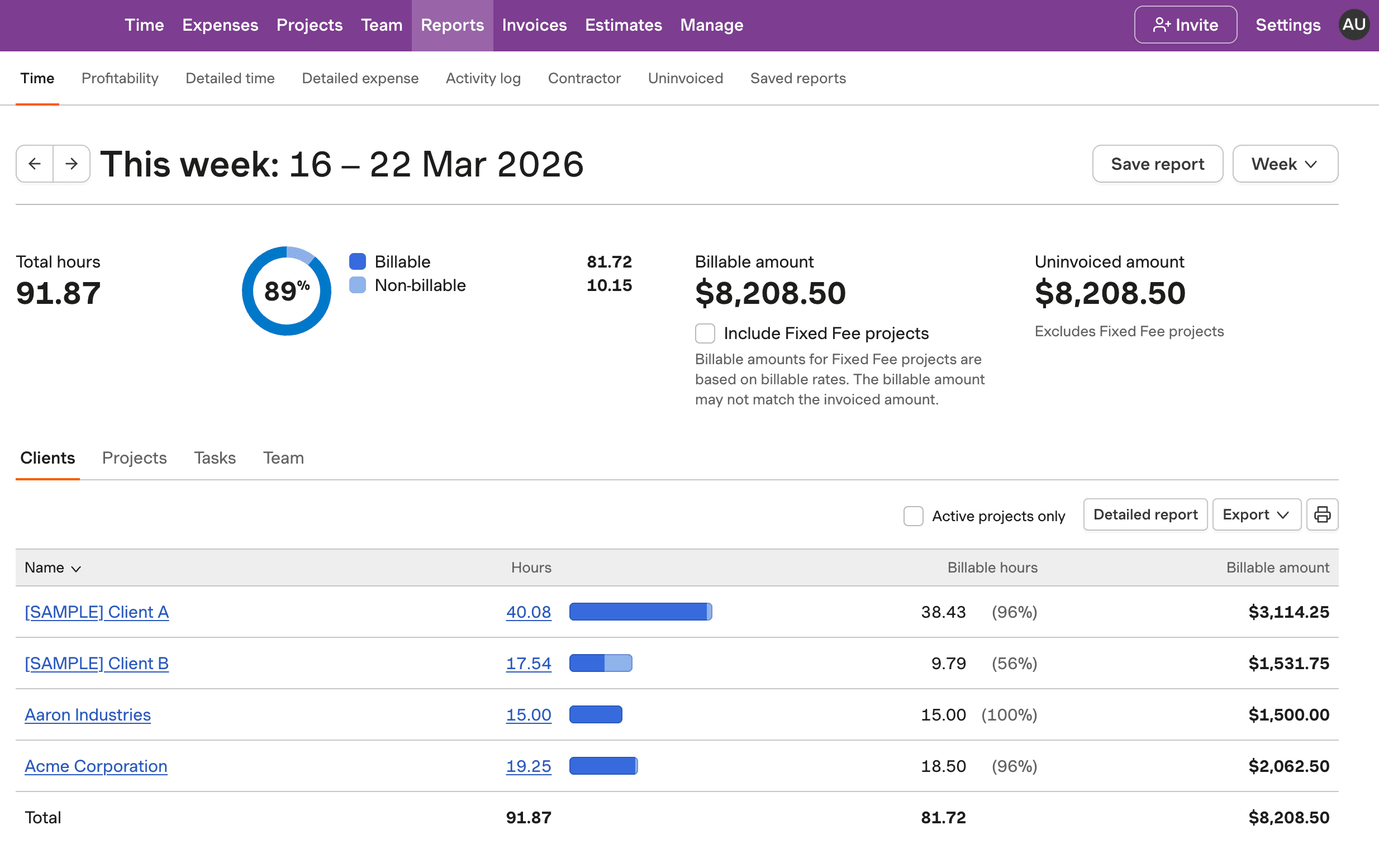
Explore how Harvest helps manage project scope, preventing scope creep with effective tools and strategies.

Harvest project scope management interface showing tools and features

Project Scope Management FAQs

  • Project scope management focuses on defining and controlling what is included in a project. It's essential for ensuring alignment with project goals, timelines, and resources. Effective scope management helps prevent scope creep, a common issue affecting 52% of projects, and supports the successful completion of projects on time and within budget.

  • Defining project scope effectively involves creating a detailed project scope statement. This document outlines project objectives, deliverables, boundaries, constraints, assumptions, and acceptance criteria. Engaging stakeholders early and continuously helps ensure all requirements are captured and agreed upon.

  • The project scope management process includes six key steps: Plan Scope Management, Collect Requirements, Define Scope, Create Work Breakdown Structure (WBS), Validate Scope, and Control Scope. Each step ensures the project scope is managed effectively throughout the project lifecycle.

  • Preventing scope creep involves setting clear project goals, documenting them formally, and establishing a robust change control process. Engaging stakeholders, communicating transparently, and monitoring progress against a scope baseline are essential strategies to manage changes and maintain project focus.

  • Tools like project management software, collaboration platforms, and visualization tools such as Gantt charts and flowcharts are used in project scope management. These tools aid in planning, tracking, and communicating project scope effectively.

  • Common challenges include vague requirements, uncontrolled changes, and misaligned stakeholder expectations. Addressing these requires proactive planning, effective communication, and continuous monitoring to ensure project objectives remain aligned.

  • Handling changes to project scope involves implementing a formal change control process. This includes evaluating the impact of changes on the project's budget and timeline, obtaining stakeholder approval, and documenting all modifications to maintain project alignment.