
Harvest
Time Tracking
Sign up free

Project Management Frameworks

Harvest is a time tracking and invoicing tool that helps teams and freelancers manage their projects effectively, ensuring time and budget adherence.

Try Harvest Free

Will this project be profitable?

Estimate your project cost, set the right price, and know exactly how many hours your team can spend before margin disappears.

Total hours across all team members
$
Average rate across all roles on the project
15%
Scope creep is real. Most projects need 10-25% buffer to stay profitable.
Recommended project price $0
Base cost (before buffer) $0
Hours per person per week 0h
Weekly burn rate $0
Max hours before loss 0h

Track project hours with Harvest

Walk through the entire flow below. Start a timer, check your reports, and create a real invoice — all in three clicks.

Go ahead — start tracking!

One click and you're timing. Try it right here: start a timer, add an entry, edit the details. This is exactly how it feels in Harvest.

  • One-click timer from browser, desktop & mobile
  • Works inside Jira, Asana, Trello, GitHub & 50+ tools
  • Duration or start/end — your call
  • Day, week & calendar views to stay on top of it all
  • Friendly reminders so no hour gets left behind
Acme Corp
Website Redesign
Homepage layout revisions
1:24:09
Content Strategy
Blog calendar planning
1:30:00
SEO Audit
Technical audit report
0:45:00
Brand Guidelines
Color system documentation
2:15:00
Logo Concepts
Initial sketches round 1
1:00:00

Understanding Project Management Frameworks

Project management frameworks are essential for structuring the planning, execution, and control of projects. They provide teams with a set of processes, tools, and techniques to guide projects from initiation to closure. Choosing the right framework can significantly impact project success, as organizations using standardized practices waste 28 times less money on failed projects compared to those that do not. Despite the importance of these frameworks, only 58% of organizations fully understand their value, underscoring the need for increased education on this topic.

Common frameworks include the Waterfall methodology, developed in the 1970s by Winston Royce, and the Critical Path Method (CPM) from the 1950s. Agile principles, which also emerged in the 1970s, emphasize short development cycles and have become increasingly popular, especially in software development where 86% of teams utilize Agile practices. Understanding these frameworks and their applications can help organizations choose the best approach for their specific needs.
Choosing the Right Project Management Framework

Selecting the appropriate project management framework is crucial for achieving project objectives on time and within budget. The choice should consider the nature of the project, the industry, and the team's experience. While 43.9% of organizations still use predictive approaches like Waterfall, these are more prevalent in construction, with a 76% adoption rate. On the other hand, Agile methodologies are favored in IT and healthcare, with over 50% adoption in both sectors.

For projects requiring flexibility, hybrid approaches that combine predictive and adaptive methods are gaining traction, with a 57% increase in adoption from 2020 to 2023. This flexibility allows teams to adjust processes as the project evolves, accommodating changes more effectively. Organizations should evaluate their specific needs and challenges to determine which framework aligns best with their goals and industry standards.

The Rise of Agile and Hybrid Frameworks

Agile methodologies have become the dominant force in project management, particularly in the software industry, where 93% of teams use standardized project management practices. Agile's popularity is largely due to its flexibility and effectiveness, with organizations reporting a 75.4% success rate in projects employing Agile methods. Scrum is the most popular Agile framework, used by 87% of Agile teams, followed by Kanban at 56%.

In recent years, hybrid frameworks that blend Agile with traditional approaches have gained popularity. These frameworks offer the best of both worlds, providing the structure of predictive methods with the adaptive nature of Agile. From 2020 to 2023, the use of hybrid frameworks grew by 57%, indicating a significant shift towards more versatile project management solutions. This trend highlights the evolving needs of organizations to adapt to dynamic project environments.

Implementing Project Management Frameworks Across Industries

The implementation of project management frameworks varies significantly across industries. In construction, predictive methods like Waterfall remain prevalent due to their structured approach, with 76% of companies maintaining this practice. Conversely, in the financial services sector, Agile methodologies are more common, regularly used by 58% of companies to accommodate rapidly changing market conditions.

Despite the benefits of project management software, only 22% of projects currently utilize these tools, although they are employed in 77% of high-performing projects. As such, organizations across all industries could benefit from increased adoption of project management software to enhance efficiency and success rates. Industry-specific training and resources could further support the effective implementation of these frameworks, ensuring that teams are well-equipped to manage projects successfully.

Explore Harvest for Project Management

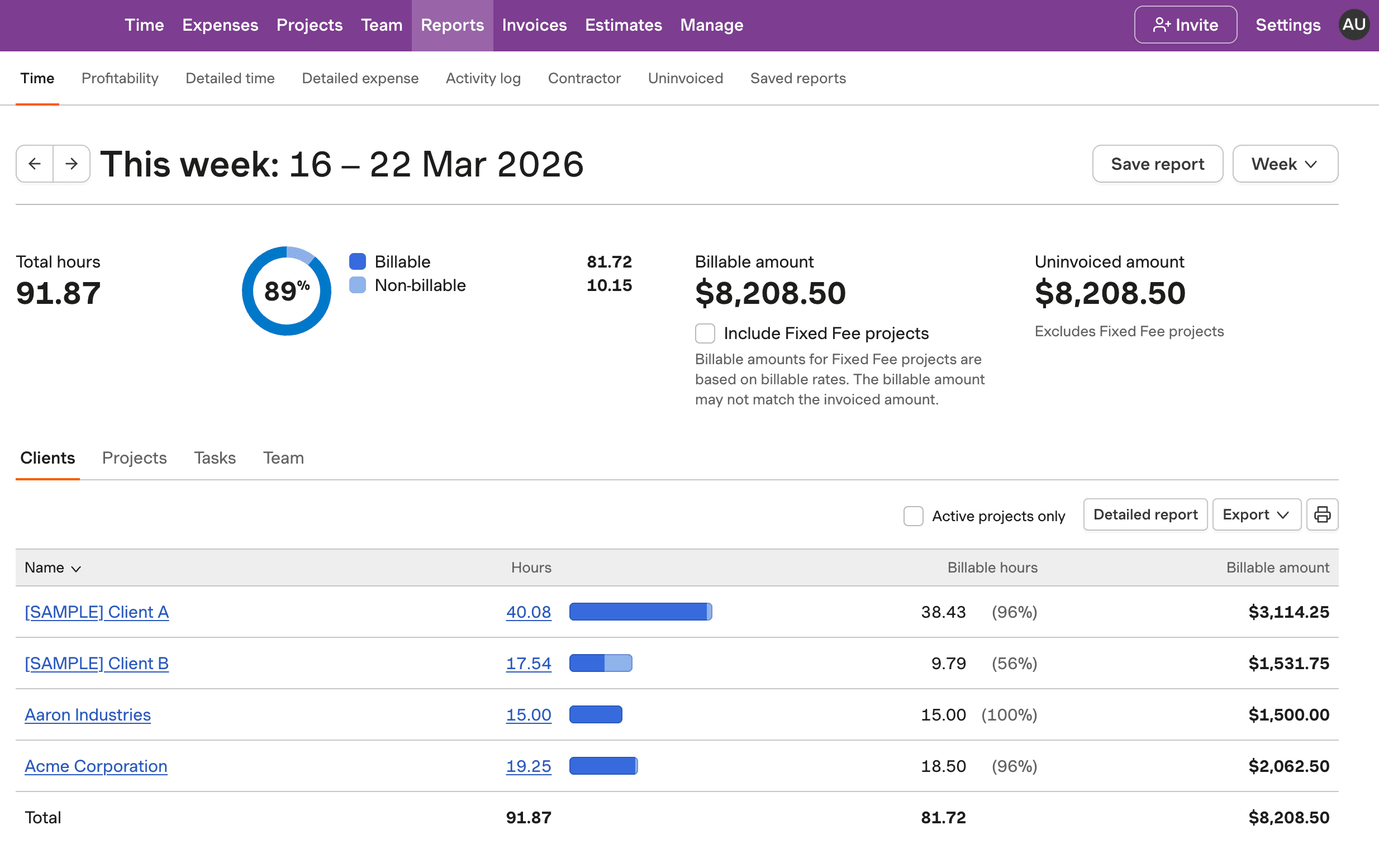
See how Harvest's time tracking and invoicing streamline project management, ensuring efficiency and accuracy.

Screenshot of Harvest in a project management context

Project Management Frameworks FAQs

  • Common project management frameworks include Waterfall, Agile, and the Critical Path Method (CPM). Agile is especially popular, with 86% of software teams using it. Each framework offers different approaches to managing project phases and can be chosen based on the project's needs.

  • To choose the right framework, consider your project's requirements, the industry, and the team's familiarity with the framework. For instance, Agile suits dynamic environments, while Waterfall is ideal for structured projects. Hybrid approaches are becoming popular for their flexibility.

  • Agile frameworks offer flexibility, allowing teams to adapt to changes and deliver projects incrementally. They boast a 75.4% project success rate and are widely used across industries, including IT and healthcare, for their effectiveness in managing complex projects.

  • Hybrid frameworks blend Agile and traditional methods, providing the adaptability of Agile with the structured approach of methods like Waterfall. This approach has seen a 57% increase in adoption, highlighting its growing popularity among organizations seeking versatile solutions.

  • Project management software is crucial for enhancing efficiency and success rates. Although only 22% of projects currently use these tools, 77% of high-performing projects do, demonstrating their impact on project outcomes and overall performance.

  • Harvest supports project management by offering time tracking and invoicing solutions that help teams and freelancers manage their projects efficiently. Its features ensure that time and budget constraints are met, improving project outcomes.

  • Yes, Harvest integrates with various tools such as Asana, Trello, and Slack, enhancing project management workflows. These integrations allow seamless collaboration and tracking, providing comprehensive support for managing projects across different platforms.