
Harvest
Time Tracking
Sign up free

Project Budget Tracker in Portugal

Harvest addresses the complexities of project budgeting in Portugal with its robust time tracking and invoicing capabilities, ensuring compliance with local standards.

Try Harvest Free

Will this project be profitable?

Estimate your project cost, set the right price, and know exactly how many hours your team can spend before margin disappears.

Total hours across all team members
$
Average rate across all roles on the project
15%
Scope creep is real. Most projects need 10-25% buffer to stay profitable.
Recommended project price $0
Base cost (before buffer) $0
Hours per person per week 0h
Weekly burn rate $0
Max hours before loss 0h

Track project hours with Harvest

Walk through the entire flow below. Start a timer, check your reports, and create a real invoice — all in three clicks.

Go ahead — start tracking!

One click and you're timing. Try it right here: start a timer, add an entry, edit the details. This is exactly how it feels in Harvest.

  • One-click timer from browser, desktop & mobile
  • Works inside Jira, Asana, Trello, GitHub & 50+ tools
  • Duration or start/end — your call
  • Day, week & calendar views to stay on top of it all
  • Friendly reminders so no hour gets left behind
Acme Corp
Website Redesign
Homepage layout revisions
1:24:09
Content Strategy
Blog calendar planning
1:30:00
SEO Audit
Technical audit report
0:45:00
Brand Guidelines
Color system documentation
2:15:00
Logo Concepts
Initial sketches round 1
1:00:00

Understanding Project Budgeting in the Portuguese Context

Effective project budgeting in Portugal requires navigating a complex financial landscape shaped by local regulations and economic trends. The Portuguese Accounting Standards System (SNC), aligned with EU legislation and IFRS, ensures consistency in financial reporting, crucial for project success. Companies must adhere to strict financial reporting deadlines, often within four months post-financial year, to maintain compliance and transparency. Additionally, the proposed reduction in corporate income tax (IRC) to 19% by 2026 offers potential cost-saving opportunities for projects.

Portuguese companies face mandatory audits if they surpass thresholds like €3,000,000 in turnover or 50 employees, reinforcing the need for precise budget tracking. Adopting program-based budgeting, as demonstrated by the Portuguese government, allocates funds based on performance indicators, promoting accountability. Understanding these financial frameworks is vital for managing project budgets effectively in Portugal's dynamic business environment.
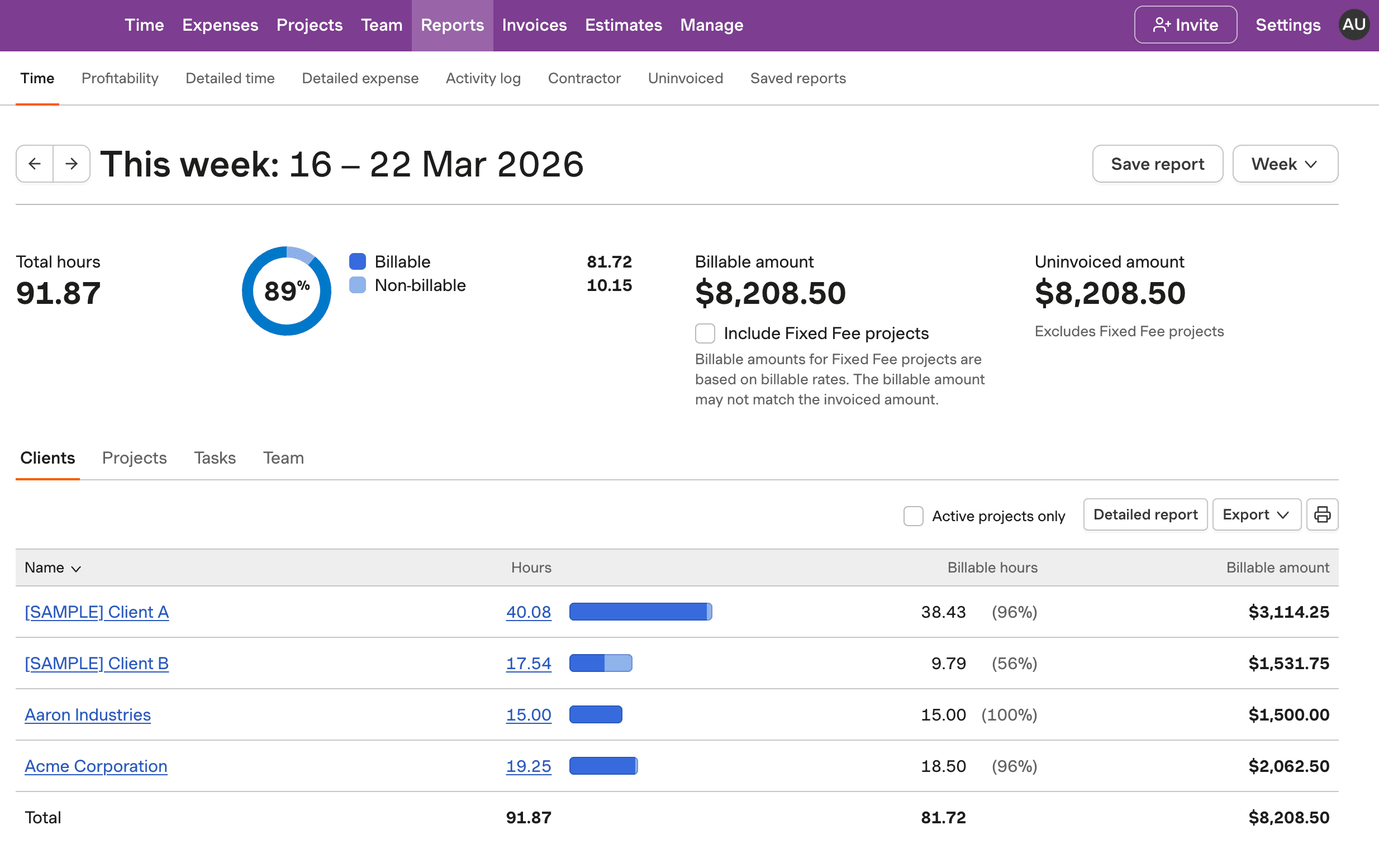
Essential Features of a Project Budget Tracking Tool for Portugal

Choosing a project budget tracking tool in Portugal involves ensuring it meets specific local needs while offering comprehensive features. Real-time expense and revenue tracking is critical for maintaining financial visibility across projects. Tools should offer automated reporting capabilities to comply with Portuguese accounting standards and streamline decision-making processes.

Seamless integration with local banking systems facilitates smooth financial data flow, although this remains a challenge for many project management tools. Advanced features like cost control mechanisms, variance analysis, and resource allocation are essential. Customizable dashboards and the ability to manage multiple projects concurrently enhance usability, making these tools indispensable for tackling complex project requirements in Portugal.

Best Practices for Effective Project Budget Management in Portugal

Successful project budget management in Portugal begins with developing a detailed work breakdown structure (WBS), which facilitates accurate cost estimation. Clearly defining the project scope prevents "scope creep" and allows for efficient resource allocation. Implementing estimation techniques such as bottom-up and top-down approaches, alongside benchmarking, ensures precise budgeting.

Incorporating contingency plans with a financial buffer of 5% to 15% can mitigate unforeseen costs. Regular monitoring and updating of financial data are critical for identifying deviations early. Leveraging project management software with robust budgeting features supports these practices, enabling continuous improvement and adaptation to Portugal's unique project management challenges.

Navigating Regional and Industry-Specific Budgeting Challenges

Projects in Portugal, particularly within Public-Private Partnerships (PPPs), require navigating specific regulatory frameworks governed by Decree-Law 111/2012. These partnerships involve complex financial oversight and risk-sharing arrangements. The construction industry, facing common cost overruns due to design errors and unforeseen site conditions, benefits from meticulous budget tracking and risk management strategies.

Participatory budgeting initiatives, prevalent in Portugal, present unique challenges and opportunities. These involve community engagement in budget allocation, emphasizing the need for transparency and effective financial management. Additionally, the adoption of environmental accounting standards (FRAS No. 26) underscores the importance of incorporating environmental considerations into project budgeting.

Project Budget Tracker in Portugal with Harvest

See how Harvest tracks project budgets, integrates with Portuguese banks, and complies with local financial standards.

Project budget tracking interface in Harvest for Portugal

Project Budget Tracker in Portugal FAQs

  • A good project budget tracker for Portugal should include real-time expense tracking, automated reporting, and integration with local banks. Features like cost control, variance analysis, and customizable dashboards are also essential.

  • Integration with Portuguese banks allows for seamless financial data flow, which is crucial for accurate budget tracking. While specific project management software may not detail this integration, general financial apps often offer such capabilities.

  • Challenges include adhering to Portuguese accounting standards and financial reporting deadlines. Additionally, projects often face cost overruns due to unforeseen conditions or design errors, especially in the construction industry.

  • Using tools that provide automated reporting in line with Portuguese accounting standards (SNC, IFRS) and tax regulations (IRC) can help ensure compliance. Regular audits and precise financial tracking are also essential.

  • Contingency planning involves setting aside a financial buffer, typically 5% to 15% of the total budget, to cover unforeseen expenses. This ensures budget flexibility and helps mitigate risks.

  • The corporate tax rate, set to reduce to 19% by 2026, impacts project profitability. Lower taxes can result in cost savings, which should be factored into budget planning.

  • PPPs in Portugal involve collaborations between public entities and private partners for infrastructure projects. They require navigating complex financial oversight and regulatory frameworks, governed by Decree-Law 111/2012.

  • Harvest provides efficient time tracking and invoicing, crucial for managing project budgets. Its features help ensure compliance with Portuguese standards and improve financial visibility.