
Harvest
Time Tracking
Sign up free

Project Management Jira Integration

Harvest is a time tracking and invoicing tool that integrates seamlessly with Jira to enhance workflow efficiency and collaboration.

Try Harvest Free

Will this project be profitable?

Estimate your project cost, set the right price, and know exactly how many hours your team can spend before margin disappears.

Total hours across all team members
$
Average rate across all roles on the project
15%
Scope creep is real. Most projects need 10-25% buffer to stay profitable.
Recommended project price $0
Base cost (before buffer) $0
Hours per person per week 0h
Weekly burn rate $0
Max hours before loss 0h

Track project hours with Harvest

Walk through the entire flow below. Start a timer, check your reports, and create a real invoice — all in three clicks.

Go ahead — start tracking!

One click and you're timing. Try it right here: start a timer, add an entry, edit the details. This is exactly how it feels in Harvest.

  • One-click timer from browser, desktop & mobile
  • Works inside Jira, Asana, Trello, GitHub & 50+ tools
  • Duration or start/end — your call
  • Day, week & calendar views to stay on top of it all
  • Friendly reminders so no hour gets left behind
Acme Corp
Website Redesign
Homepage layout revisions
1:24:09
Content Strategy
Blog calendar planning
1:30:00
SEO Audit
Technical audit report
0:45:00
Brand Guidelines
Color system documentation
2:15:00
Logo Concepts
Initial sketches round 1
1:00:00

The Strategic Imperative of Integration in Project Management

Integrating project management tools like Jira is crucial in today's complex project environments. As projects increasingly span multiple teams and systems, breaking down data silos is essential for maintaining a unified workflow. The project management software market reflects this need, projected to grow from $10.56 billion in 2026 to $39.16 billion by 2035, at a 12.8% CAGR. High-performing projects already show a significant reliance on such tools, with 77% utilization reported.

Moreover, 82% of companies have adopted project management software to enhance organizational efficiencies as of 2025. This adoption helps streamline workflows and optimize resource allocation, key drivers for project success. The integration landscape is evolving, with more organizations exploring how to seamlessly connect Jira with various platforms to enhance project outcomes.
Unlocking Efficiency: Benefits of Integrated Project Management Tools

Integrating Jira with other project management tools significantly boosts efficiency and collaboration. By automating routine tasks, integrations can reduce manual workload and errors, contributing to a 25% increase in project success rates. This is particularly beneficial given that AI-driven integrations can enhance productivity by up to 20%.

Additionally, integrated tools foster better communication and collaboration across teams, essential in an era where 57% of employees report using an increasing number of tools. Integration also supports real-time budget management and resource allocation, allowing teams to make data-driven decisions based on consistent and reliable information.

Types of Integrations and Their Applications

Jira can be integrated with a variety of tools to meet diverse project needs. For instance, linking Jira with Customer Relationship Management (CRM) systems enhances client management by streamlining communication and task tracking. Integrations with communication platforms like Slack or Microsoft Teams enable real-time updates and collaboration.

Moreover, connecting Jira with document management and cloud storage solutions ensures seamless access to necessary documents. For financial management, integrations with time tracking and billing tools provide comprehensive reporting capabilities. Specialized integrations, such as those for agile development, support methodologies like Scrum and Kanban by integrating visual collaboration tools and delivery platforms.

Implementing Integrations: A Step-by-Step Approach

Successfully integrating Jira with other tools involves a methodical approach. Start by reviewing your current setup to identify bottlenecks, followed by defining clear goals for integration. Research compatible options, considering built-in features and third-party connectors. Create a detailed integration plan, focusing on data flow, format consistency, and field mappings.

Prepare and standardize existing data to prevent inconsistencies, then set up and test the integration environment. Conduct thorough testing in a controlled setting to ensure synchronization and functionality. Finally, launch the integration, communicate changes to stakeholders, and continuously monitor performance, incorporating feedback for ongoing optimization.

Bi-directional Synchronization and Agile Methodologies

Bi-directional synchronization in Jira integrations ensures data consistency by allowing changes to flow in both directions across connected systems. This approach is essential for maintaining tool autonomy while eliminating manual data transfers. Key components include change detection, timestamp management, and conflict resolution.

This synchronization is particularly beneficial for agile teams, enhancing backlog management, sprint planning, and task tracking. By integrating tools that support agile methodologies, teams can operate more efficiently, leveraging AI advancements to automate and enhance workflows, contributing to improved project outcomes.

Project Management with Harvest and Jira

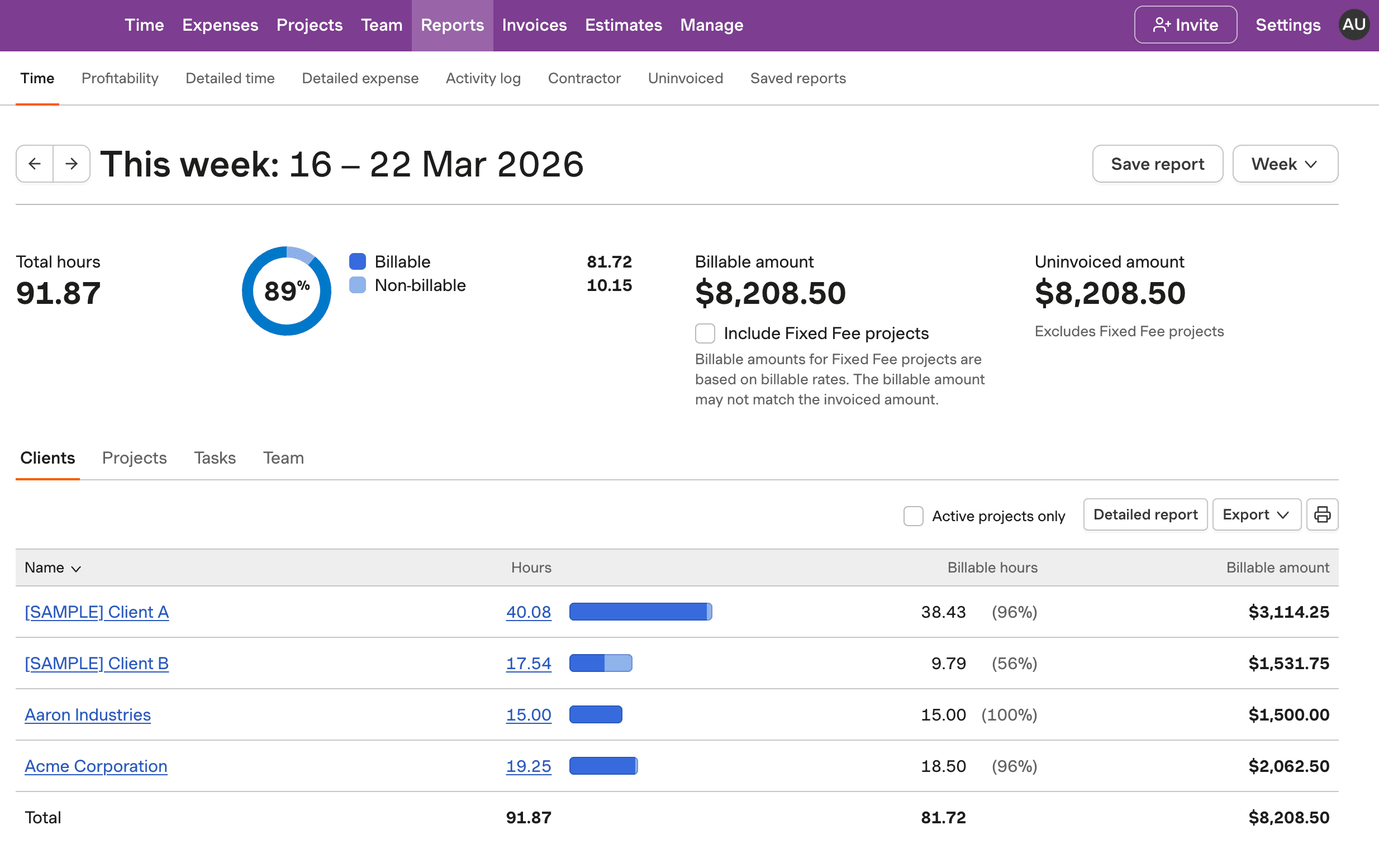
See how Harvest integrates with Jira to streamline time tracking and invoicing, enhancing your project management workflow.

Screenshot of Harvest integrated with Jira for project management.

Project Management Jira Integration FAQs

  • Integrating Jira with other tools enhances efficiency, reduces errors, and improves collaboration. It automates routine tasks, boosts productivity by up to 20%, and supports real-time budget management. Such integrations enable data-driven decisions and streamline workflows.

  • To set up Jira integrations, start by reviewing your current setup and defining integration goals. Research compatible options, create a detailed plan, prepare and standardize data, and configure the integration environment. Test thoroughly before launching and continuously monitor performance post-launch.

  • Jira can be integrated with CRM systems, communication platforms like Slack, document management tools, and financial software for time tracking and billing. Specialized integrations also support agile methodologies, enhancing sprint planning and task tracking.

  • Bi-directional synchronization in Jira integrations allows data changes to flow in both directions, ensuring consistency across systems. It includes components like change detection and conflict resolution, maintaining autonomy while eliminating manual data transfers.

  • Common challenges include data silos, software incompatibility, and user adoption issues. However, with a structured integration plan, thorough testing, and clear communication, these challenges can be effectively managed and overcome.

  • Integrations enhance agile methodologies by improving backlog management, sprint planning, and task tracking. By connecting tools that support agile practices, teams can operate more efficiently, leveraging automation to enhance workflows.

  • Integrating project management tools can significantly improve ROI by enhancing efficiency, reducing errors, and optimizing resource allocation. These benefits lead to increased project success rates and more effective budget management.