
Harvest
Time Tracking
Sign up free

Project Management Zapier Integration

Harvest simplifies time tracking and invoicing, helping teams and freelancers optimize their workflow efficiency.

Try Harvest Free

Will this project be profitable?

Estimate your project cost, set the right price, and know exactly how many hours your team can spend before margin disappears.

Total hours across all team members
$
Average rate across all roles on the project
15%
Scope creep is real. Most projects need 10-25% buffer to stay profitable.
Recommended project price $0
Base cost (before buffer) $0
Hours per person per week 0h
Weekly burn rate $0
Max hours before loss 0h

Track project hours with Harvest

Walk through the entire flow below. Start a timer, check your reports, and create a real invoice — all in three clicks.

Go ahead — start tracking!

One click and you're timing. Try it right here: start a timer, add an entry, edit the details. This is exactly how it feels in Harvest.

  • One-click timer from browser, desktop & mobile
  • Works inside Jira, Asana, Trello, GitHub & 50+ tools
  • Duration or start/end — your call
  • Day, week & calendar views to stay on top of it all
  • Friendly reminders so no hour gets left behind
Acme Corp
Website Redesign
Homepage layout revisions
1:24:09
Content Strategy
Blog calendar planning
1:30:00
SEO Audit
Technical audit report
0:45:00
Brand Guidelines
Color system documentation
2:15:00
Logo Concepts
Initial sketches round 1
1:00:00

The Strategic Imperative of Project Management Automation

Project management automation is essential for organizations looking to enhance efficiency and productivity. Employees spend an average of 50% of their time on repetitive tasks, which can significantly impede progress on high-value projects. Automation addresses this by handling up to 70% of routine activities, freeing employees to focus on more critical tasks. This shift not only boosts productivity but also enhances employee engagement and reduces operational costs.

Furthermore, automation facilitates better collaboration and communication across teams, which is crucial in today's interconnected work environments. With integrated project management systems, organizations can improve project delivery times and reduce resource allocation conflicts, leading to a 70% increase in overall productivity. By leveraging real-time data insights, automation also accelerates decision-making, ensuring that teams have the information they need to act swiftly and accurately.
Identifying Opportunities for Automation: Triggers, Actions, and Use Cases

Selecting the right tasks for automation is critical to maximizing the benefits of project management tools. Common project management tasks ripe for automation include task assignments, deadline management, and reporting. Triggers for these automations can be time-based or event-based, such as when a new work item is created or a task's status changes. Actions typically involve creating tasks, updating statuses, or sending notifications.

Use cases for automation span various project phases, from setup and follow-ups to resource allocation and reporting. For example, automating project setup can streamline initial task assignments and deadlines, while follow-ups can ensure timely completion of tasks. Identifying these opportunities requires a deep understanding of existing workflows and potential bottlenecks, allowing teams to target areas where automation can have the greatest impact.

A Step-by-Step Guide to Implementing Project Management Automation

Implementing project management automation requires a structured approach. Start by assessing current workflows and identifying bottlenecks that hinder efficiency. Next, select the right automation tools and platforms that align with your needs, budget, and scalability requirements. Planning API integrations is crucial to ensure seamless data transfer between systems.

  1. Assess current workflows and identify bottlenecks.
  2. Select automation tools and platforms.
  3. Plan and configure integrations using API capabilities.
  4. Design automated workflows with a trigger-condition-action framework.
  5. Prepare teams with training and clear communication about new processes.
  6. Execute the integration and initial automation setup.
  7. Monitor performance and optimize workflows iteratively.

By following these steps, organizations can effectively implement automation, leading to improved efficiency and reduced errors in project management.

Best Practices for Sustainable Automation and Scalability

To ensure sustainable automation and scalability, focus on tasks that are repeatable, routine, and prone to errors. Clearly define objectives and establish measurable KPIs to track automation success. Conducting pilot tests can validate automations before full-scale deployment, reducing the risk of errors and ensuring the desired outcomes.

Establish shared automation standards, including naming conventions and permission models, to maintain consistency across teams. Leverage templates and designate automation "champions" who can support adoption and ensure that automations are used effectively. Continuously review and adjust automations as business needs evolve, ensuring data security and consistency across integrated systems. By adhering to these best practices, organizations can achieve long-term success with their automation initiatives.

Streamline Project Management with Harvest

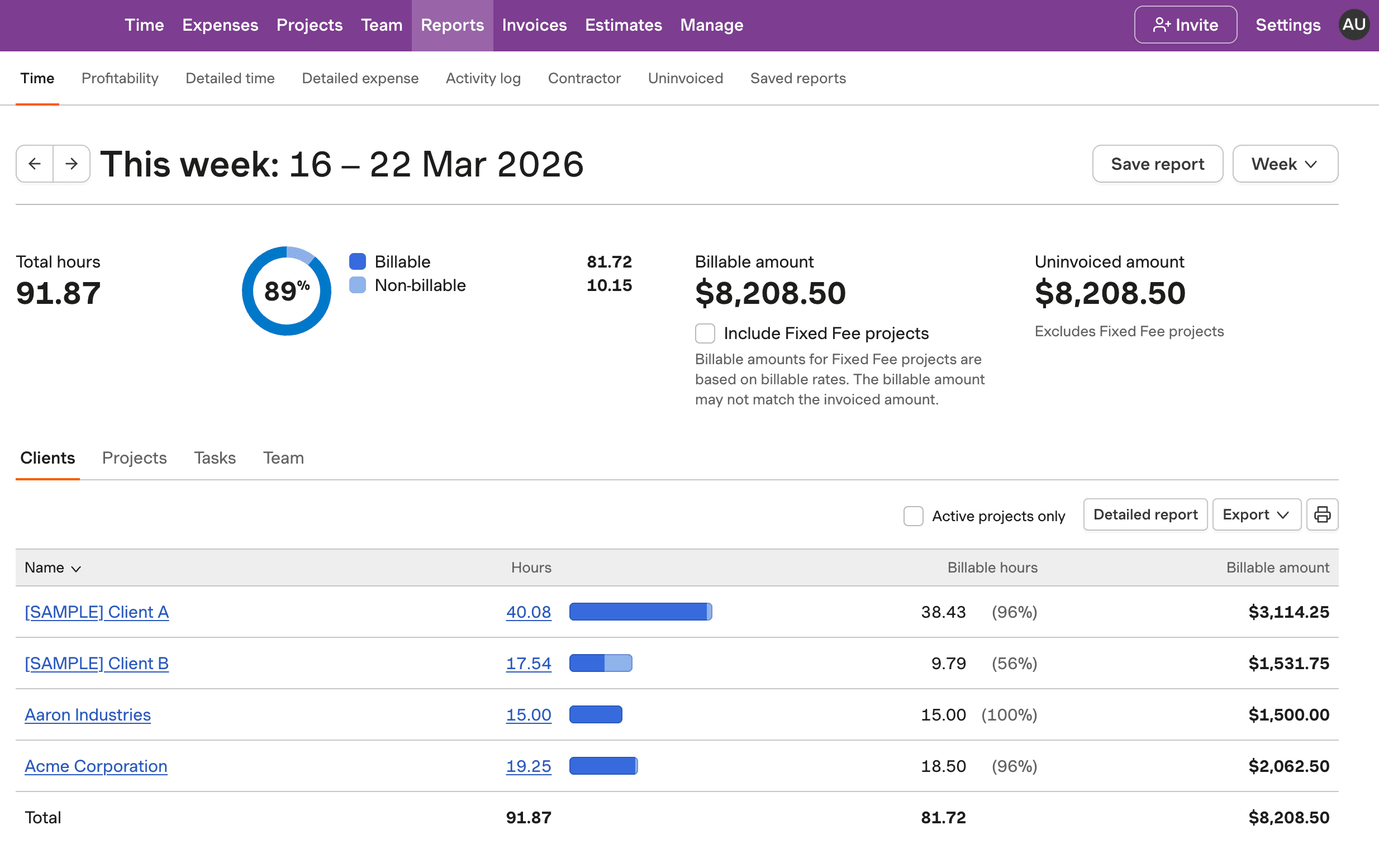
See how Harvest integrates with Zapier to automate workflows, track time, and manage projects efficiently.

Screenshot of Harvest with Zapier integration for project management automation.

Project Management Zapier Integration FAQs

  • Zapier supports integration with a wide range of project management tools, including task management platforms, communication apps, CRM systems, document management solutions, and calendar applications. This flexibility allows you to automate workflows across different tools seamlessly.

  • Setting up a Zap involves identifying tasks suitable for automation, choosing triggers and actions, and configuring the automation within Zapier. Start by selecting your project management app as the trigger, define the conditions, and choose the corresponding action, such as creating a task or sending a notification.

  • Common triggers include new work items, status changes, or new comments. Actions often involve creating tasks, updating statuses, or sending alerts. These automations help streamline project workflows and reduce manual data entry.

  • Automation in project management improves productivity by freeing up time spent on repetitive tasks. It enhances collaboration, reduces errors, and provides real-time data insights for better decision-making. Automated systems can lead to a 70% increase in productivity.

  • Best practices include selecting repeatable and routine tasks for automation, conducting pilot tests, and establishing clear objectives. Use templates and designate champions to support adoption. Continuously monitor and optimize workflows to ensure they meet evolving business needs.

  • Yes, Harvest allows you to track expenses alongside time tracking. You can integrate Harvest with Zapier to automate expense-related workflows, such as capturing receipts and categorizing expenses, which streamlines the financial management process.

  • Harvest integrates with tools like Asana through direct integrations, allowing seamless time tracking and project management. With Zapier, you can automate additional workflows between Harvest and Asana, such as syncing tasks and tracking time efficiently.