
Harvest
Time Tracking
Sign up free

Project Scheduling Software

Harvest is a project scheduling tool that addresses poor planning, a leading cause of project failure, with its robust time tracking and budgeting features.

Try Harvest Free

Will this project be profitable?

Estimate your project cost, set the right price, and know exactly how many hours your team can spend before margin disappears.

Total hours across all team members
$
Average rate across all roles on the project
15%
Scope creep is real. Most projects need 10-25% buffer to stay profitable.
Recommended project price $0
Base cost (before buffer) $0
Hours per person per week 0h
Weekly burn rate $0
Max hours before loss 0h

Track project hours with Harvest

Walk through the entire flow below. Start a timer, check your reports, and create a real invoice — all in three clicks.

Go ahead — start tracking!

One click and you're timing. Try it right here: start a timer, add an entry, edit the details. This is exactly how it feels in Harvest.

  • One-click timer from browser, desktop & mobile
  • Works inside Jira, Asana, Trello, GitHub & 50+ tools
  • Duration or start/end — your call
  • Day, week & calendar views to stay on top of it all
  • Friendly reminders so no hour gets left behind
Acme Corp
Website Redesign
Homepage layout revisions
1:24:09
Content Strategy
Blog calendar planning
1:30:00
SEO Audit
Technical audit report
0:45:00
Brand Guidelines
Color system documentation
2:15:00
Logo Concepts
Initial sketches round 1
1:00:00

The Evolving Landscape of Project Scheduling Software

Project scheduling software has become indispensable for organizations aiming to improve project success rates, which historically show only 28% of projects are completed successfully. Poor planning contributes to the failure of 46% of projects, underscoring the need for robust scheduling tools. Transitioning from traditional methods like spreadsheets to specialized software can lead to a 27% improvement in project success rates. These tools offer enhanced planning, resource optimization, and real-time tracking capabilities, crucial for today's dynamic work environments.

Modern project scheduling software addresses the challenges of resource management and poor planning. Approximately 61% of organizations struggle with effective resource management, often due to outdated methods. Software solutions offer features like automated task dependencies, real-time updates, and collaborative tools that streamline project workflows. With 82% of companies adopting these tools to boost efficiencies, the shift towards digital project management is clear.
Core Features and Functionalities

Effective project scheduling software is characterized by a set of core features that enhance task management, resource allocation, and team collaboration. Task management capabilities include the creation and assignment of tasks, setting dependencies, and prioritizing subtasks. Visual scheduling tools such as Gantt charts and Kanban boards provide clarity and help teams visualize project timelines.

Resource management is another critical functionality, allowing for allocation, leveling, and capacity planning to ensure optimal utilization. Collaboration features, such as shared workspaces and real-time updates, facilitate seamless communication among team members. Furthermore, progress tracking and reporting tools offer insights through dashboards and customizable reports, allowing for better decision-making.

Industry-Specific Solutions: Construction and Agile

Project scheduling software can be tailored to meet the unique needs of different industries, such as construction and agile project management. In the construction industry, the complexity of projects demands robust tools that offer features like critical path analysis, mobile access, and integration with field tools. Software solutions must support the planning and tracking of field crews, equipment, and costs, crucial for managing regulatory and safety concerns.

For agile project management, the focus is on iterative development and continuous feedback. Features like sprint planning, backlog management, and task boards (e.g., Kanban) help teams adapt quickly to changes. Agile environments benefit from real-time collaboration and visualization tools that enhance productivity and efficiency. Hybrid methodologies, combining traditional and agile practices, show a 20% higher success rate, making them an attractive option for many organizations.

Evaluating Project Scheduling Software: Key Considerations

When selecting project scheduling software, several factors need consideration to ensure it aligns with organizational needs. The user interface and ease of use are paramount; tools with intuitive drag-and-drop functionality reduce training time and increase adoption rates. Scalability and flexibility are essential for accommodating business growth, with customizable features allowing for tailored solutions.

Integration capabilities are another critical consideration. Software that seamlessly connects with existing tools, such as HR systems or communication platforms, ensures smooth data flow and enhances workflow efficiency. On the security front, understanding the differences between cloud-based and on-premises solutions helps in making informed decisions about data protection. Lastly, customer support and training resources are vital for successful implementation and ongoing support.

Understanding Pricing Models and Return on Investment

Project scheduling software offers various pricing models, from per-user fees to tiered and freemium options. Small to mid-sized businesses typically pay between $5 and $20 per user per month, while enterprise plans can exceed $1,492 monthly. It's crucial to consider all cost aspects, including licensing, subscription fees, and potential hidden costs, when evaluating ROI.

Calculating ROI involves assessing improved efficiency, reduced delays, and better resource utilization. Leveraging free trials and consulting user reviews provides valuable insights into the software's real-world performance. By understanding the pricing models and potential return on investment, organizations can make informed decisions that enhance project success rates.

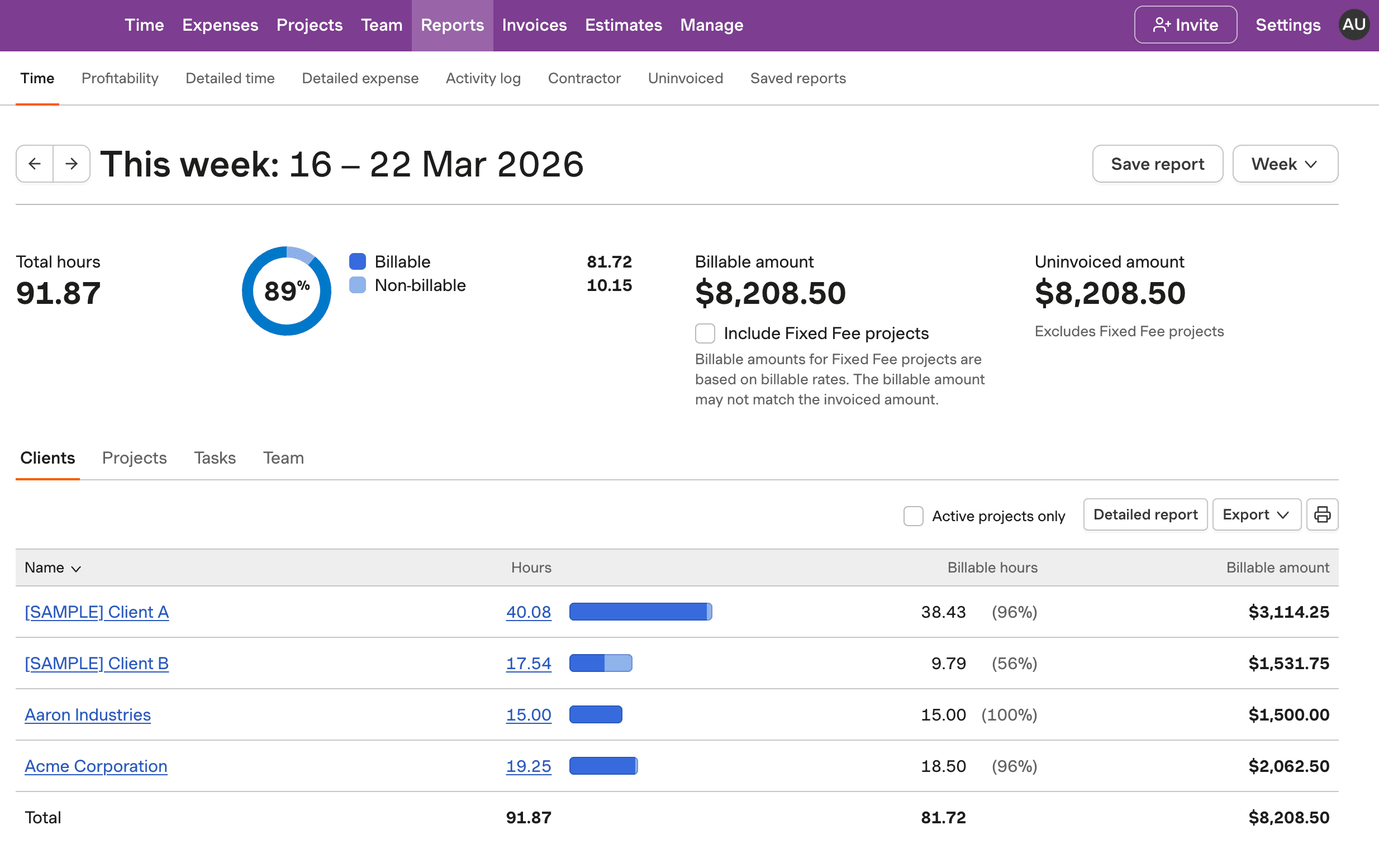
Project Scheduling with Harvest

See how Harvest enhances project scheduling with time tracking and budgeting features.

Screenshot of Harvest's project scheduling features

Project Scheduling Software FAQs

  • Essential features include task management, visual scheduling tools like Gantt charts, resource allocation, and real-time collaboration. These tools streamline workflows and improve project planning accuracy.

  • Project scheduling software enhances planning by automating task dependencies and providing real-time updates, which reduces errors and improves resource utilization. This leads to better project execution and success rates.

  • Many project scheduling tools, including Harvest, integrate with popular platforms like Asana, Trello, and Jira to streamline workflows and improve project management efficiency.

  • In construction, project scheduling software addresses complexity with features like critical path analysis and mobile access for field teams. They integrate with tools for cost management and resource allocation.

  • Pricing models range from per-user fees to enterprise plans, with costs typically between $5 and $20 per user per month for small teams, and higher for extensive features in larger organizations.

  • Yes, features like shared workspaces, real-time updates, and notifications enhance collaboration by ensuring all team members have access to the latest information, reducing communication gaps.

  • Harvest integrates with various project management tools like Asana and Trello, allowing seamless data flow and enhancing project tracking and budgeting capabilities.