
Harvest
Time Tracking
Sign up free

Employee Time Tracking App in South Korea

Facing the challenge of complying with South Korea's labor laws, Harvest offers a robust mobile time tracking solution that aligns with local regulations and integrates with Naver's ecosystem.

Try Harvest Free

How much revenue is your team leaving on the table?

Most agencies run at 55-60% utilization. Even a small improvement means significant revenue. See what closing the gap looks like for your team.

Number of people who track billable time
$
Blended rate across roles (junior, senior, lead)
55%
Percentage of total hours that are billable. Industry average is 55-60%.
75%
A realistic target for service businesses is 70-80%.
Monthly revenue gap $0
Revenue at current utilization $0/mo
Revenue at target utilization $0/mo
Extra billable hours needed per person/day 0h
Annual revenue opportunity $0

Start tracking team utilization

Walk through the entire flow below. Start a timer, check your reports, and create a real invoice — all in three clicks.

Go ahead — start tracking!

One click and you're timing. Try it right here: start a timer, add an entry, edit the details. This is exactly how it feels in Harvest.

  • One-click timer from browser, desktop & mobile
  • Works inside Jira, Asana, Trello, GitHub & 50+ tools
  • Duration or start/end — your call
  • Day, week & calendar views to stay on top of it all
  • Friendly reminders so no hour gets left behind
Acme Corp
Website Redesign
Homepage layout revisions
1:24:09
Content Strategy
Blog calendar planning
1:30:00
SEO Audit
Technical audit report
0:45:00
Brand Guidelines
Color system documentation
2:15:00
Logo Concepts
Initial sketches round 1
1:00:00

Navigating South Korea's Labor Laws: The Foundation of Time Tracking

Understanding South Korea's labor laws is crucial for businesses when selecting an employee time tracking app. The Labor Standards Act mandates a standard workweek of 40 hours, with a maximum of 52 hours, including overtime. Overtime compensation must be at least 150% of the regular wage, and night work warrants an additional 50% premium. These stringent regulations necessitate accurate record-keeping to avoid penalties, such as fines up to 20 million Korean won ($17,635) for non-compliance.

To ensure compliance, businesses must adopt time tracking solutions that can automatically log regular and overtime hours, calculate necessary premiums, and maintain precise records. The legal requirement for detailed documentation of work hours, including breaks, is critical in avoiding compliance issues. An effective time tracking app will help businesses adhere to these legal standards, minimizing the risk of penalties.
Essential Features of a Time Tracking App for the South Korean Market

A time tracking app tailored for the South Korean market should offer features that accommodate both legal compliance and operational efficiency. Mobile and web accessibility are essential, given the high mobile penetration in South Korea. Apps should support real-time tracking and geofencing to manage field workers effectively. Additionally, automated calculations for overtime and holiday pay ensure adherence to labor laws.

Robust reporting features enable businesses to analyze labor costs and project profitability. Customizable rules engines help tailor the app to specific company policies while staying within legal frameworks. Furthermore, leave management integration aids in aligning attendance with statutory break requirements, ensuring seamless operation.

Seamless Integration with the Naver Ecosystem

In South Korea, Naver's digital ecosystem plays a pivotal role in business operations. Time tracking apps that integrate with Naver Cloud and Naver Works enhance efficiency by synchronizing data across platforms. This integration allows for secure data storage and streamlined project management, leveraging Naver's communication tools for notifications and scheduling.

By aligning time tracking with Naver services, businesses can achieve seamless data flow and improved operational efficiency. This integration not only supports compliance with South Korea's labor laws but also enhances overall employee management, making it a crucial consideration for any time tracking solution.

Choosing the Right Solution: Practical Considerations and Best Practices

Selecting the right time tracking app involves assessing specific business needs, including team size and budget. User-friendliness is paramount to ensure employee adoption, with intuitive interfaces minimizing training time. Understanding pricing structures, such as per user per month models, and exploring free trial options can aid in making an informed decision.

Data security and privacy are vital, given South Korea's stringent data laws. Ensure the chosen app offers robust security features to protect employee information. Evaluate vendor support and localized services to ensure smooth implementation and ongoing assistance. These considerations will guide businesses in choosing a solution that aligns with their operational and compliance needs.

The Future of Work Hour Management in South Korea

The South Korean government aims to reduce annual working hours to align with the OECD average of 1,700 hours by 2030. This shift highlights the need for efficient time tracking systems that facilitate compliance with evolving labor standards. Digital transformation in HR processes is pivotal in achieving this goal, with AI playing an increasing role in automating time tracking and compliance tasks.

The demand for flexible work arrangements is growing, with an emphasis on employee well-being. Time tracking apps that support remote and hybrid work models, featuring mobile accessibility and geofencing, are essential for modern work environments. These advancements will shape the future of work hour management in South Korea.

Harvest Employee Time Tracking for South Korea

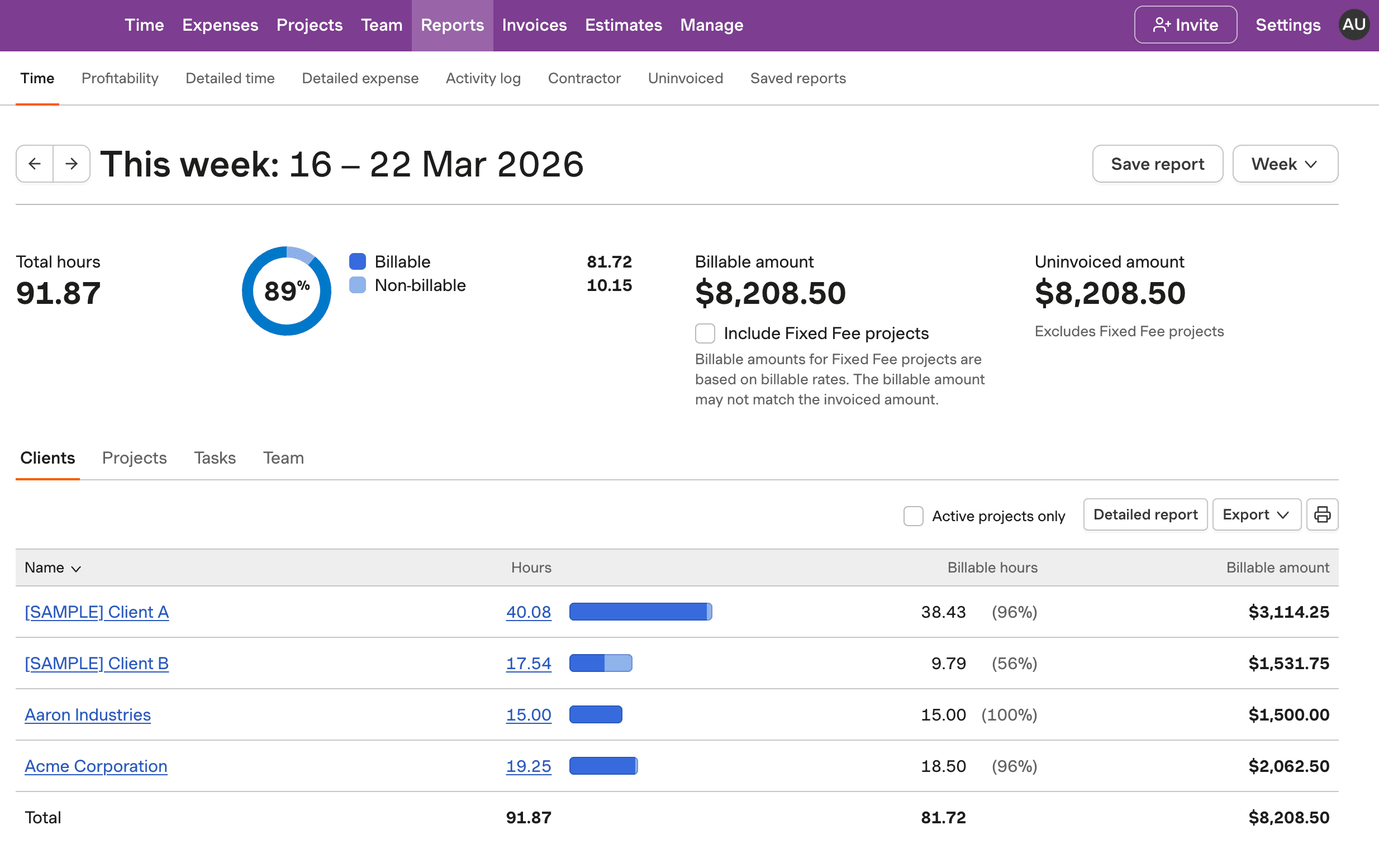
The preview shows Harvest's time tracking interface, optimized for South Korea's labor laws and Naver integration.

Screenshot of Harvest employee time tracking app interface for South Korea.

Employee Time Tracking App in South Korea FAQs

  • Harvest supports compliance with South Korea's labor laws by enabling detailed time tracking and automatic calculation of regular and overtime hours. This ensures adherence to the 52-hour workweek and proper compensation for overtime and night work, aligning with local regulations.

  • For South Korean businesses, a time tracking app must offer mobile and web accessibility, real-time tracking, and automated calculations for overtime and holiday pay. Integration with local platforms like Naver and robust reporting features are also essential.

  • Yes, Harvest can integrate with Naver services, facilitating seamless data flow and enhancing project management. This integration is crucial for businesses operating within South Korea's digital ecosystem.

  • Non-compliance with South Korea's working hour regulations can result in fines up to 20 million Korean won (approximately $17,635) or criminal penalties. Accurate time tracking helps businesses avoid these penalties by ensuring adherence to legal standards.

  • Harvest supports remote work models with mobile accessibility and features like geofencing, enabling employees to log their hours accurately from any location. This flexibility is essential for modern work environments.

  • Naver integration is important for time tracking apps in South Korea as it allows for synchronization across Naver platforms, enhancing data flow and operational efficiency. This integration supports compliance and improves overall employee management.

  • Businesses can ensure data security by choosing time tracking apps like Harvest, which offer robust security features to protect employee data. Compliance with South Korea's data privacy laws is essential for safeguarding information.