
Harvest
Time Tracking
Sign up free

Time Tracking in Poland

Discover how Harvest simplifies time tracking compliance for businesses in Poland, aligning with the Polish Labor Code and employer obligations.

Try Harvest Free

How much revenue is your team leaving on the table?

Most agencies run at 55-60% utilization. Even a small improvement means significant revenue. See what closing the gap looks like for your team.

Number of people who track billable time
$
Blended rate across roles (junior, senior, lead)
55%
Percentage of total hours that are billable. Industry average is 55-60%.
75%
A realistic target for service businesses is 70-80%.
Monthly revenue gap $0
Revenue at current utilization $0/mo
Revenue at target utilization $0/mo
Extra billable hours needed per person/day 0h
Annual revenue opportunity $0

Start tracking team utilization

Walk through the entire flow below. Start a timer, check your reports, and create a real invoice — all in three clicks.

Go ahead — start tracking!

One click and you're timing. Try it right here: start a timer, add an entry, edit the details. This is exactly how it feels in Harvest.

  • One-click timer from browser, desktop & mobile
  • Works inside Jira, Asana, Trello, GitHub & 50+ tools
  • Duration or start/end — your call
  • Day, week & calendar views to stay on top of it all
  • Friendly reminders so no hour gets left behind
Acme Corp
Website Redesign
Homepage layout revisions
1:24:09
Content Strategy
Blog calendar planning
1:30:00
SEO Audit
Technical audit report
0:45:00
Brand Guidelines
Color system documentation
2:15:00
Logo Concepts
Initial sketches round 1
1:00:00

Understanding Polish Labor Law: The Foundation of Time Tracking

Time tracking in Poland is governed by the Polish Labor Code, particularly Article 149 § 1, which mandates that employers maintain detailed records of working hours for all employees. These records must capture the start and end times, overtime, night work, and various types of absences. Compliance with these requirements is essential, as failing to maintain accurate records can result in fines ranging from PLN 1,000 to PLN 30,000. Employers have the flexibility to keep these records either on paper or electronically, allowing for adaptability in their administrative processes.

In addition to standard recording practices, employers must observe specific regulations concerning working hours. The standard workweek comprises 40 hours, typically distributed over five days. Daily working hours are capped at 8 hours, but with overtime, these can extend to a maximum of 13 hours a day. Importantly, the average weekly working time, including overtime, cannot exceed 48 hours over a reference period, typically up to four months. Maintaining compliance with these standards is crucial for avoiding legal repercussions.
Employer Obligations and Working Time Standards

Employers in Poland are obligated to adhere to strict working time standards as set out in the Polish Labor Code. Working records must detail every hour worked, including overtime, night work, and on-call duties. This comprehensive data capture ensures transparency and compliance with labor laws. A significant aspect of these obligations is the maintenance of rest periods. Employees are entitled to a minimum of 11 consecutive hours of rest per day and 35 hours of rest per week, which should include a Sunday. Furthermore, employees working more than six hours are entitled to a 15-minute paid break, which counts as part of their working time.

For businesses, compliance with these regulations not only avoids penalties but also promotes a healthier work-life balance for employees. For instance, the average weekly working time including overtime must not exceed 48 hours, ensuring employees are not overworked. These measures align with Poland's commitment to safeguarding worker rights and well-being, with non-compliance potentially leading to substantial fines and legal action.

Overtime and Special Working Conditions

In Poland, overtime regulations are clearly defined to protect both employers and employees. Overtime generally cannot exceed 150 hours per year for each employee, although this limit may be extended through collective agreements. The compensation for overtime is also regulated, with a 50% premium for weekdays and a 100% premium for night work, Sundays, and public holidays, unless a compensatory day off is provided. Alternatively, employees can be compensated with time off, with different ratios depending on whether the time off is requested by the employee or granted by the employer.

Special conditions apply to night work, defined as any work performed between 9:00 p.m. and 7:00 a.m., with employees entitled to an additional allowance of at least 20% of the hourly rate derived from the minimum wage. These regulations ensure that employees working under demanding conditions receive appropriate compensation and rest, which is crucial for maintaining productivity and morale. Employers must navigate these rules carefully to remain compliant while managing workforce needs effectively.

Compliance, Penalties, and Employee Monitoring

Ensuring compliance with time tracking regulations in Poland is crucial for businesses to avoid hefty penalties. Employers must retain working time records for 10 years, following the end of the year in which the employment relationship ends. Beyond record-keeping, the introduction of monitoring systems like CCTV and email monitoring is permissible under specific conditions. CCTV use must be justified, areas must be visibly marked, and employees informed two weeks prior to implementation. Monitoring must not infringe on employee privacy, and data retention is generally limited to three months.

Failure to comply with time tracking and monitoring regulations can lead to significant fines and legal challenges. For example, not keeping accurate records or improperly monitoring employees can lead to fines between PLN 1,000 and PLN 30,000. These stringent regulations highlight the importance of adhering to established guidelines to protect both employee rights and business interests. Employers are encouraged to periodically review their practices to ensure ongoing compliance with evolving legal standards.

Time Tracking in the Modern Workplace: Remote Work and Exemptions

As remote work becomes more prevalent in Poland, employers must adapt their time tracking practices to accommodate this shift. While traditional time tracking may not always apply, employers are still required to keep records of holidays, days off, and sick leave for remote employees. The evolving nature of work has prompted discussions about specific regulations for remote work, emphasizing the need for clear policies and communication.

Moreover, certain roles and industries offer exemptions from detailed time tracking. For instance, managerial employees or those on task-based systems may not need to adhere to standard punch-in/punch-out requirements. These exemptions, however, do not free employers from maintaining overall compliance with labor laws. Employers are advised to establish comprehensive policies that align with both current and anticipated regulations to ensure legal compliance and promote a balanced work environment.

Time Tracking in Poland with Harvest

Explore how Harvest helps businesses in Poland meet time tracking compliance, featuring detailed reports and legal alignment.

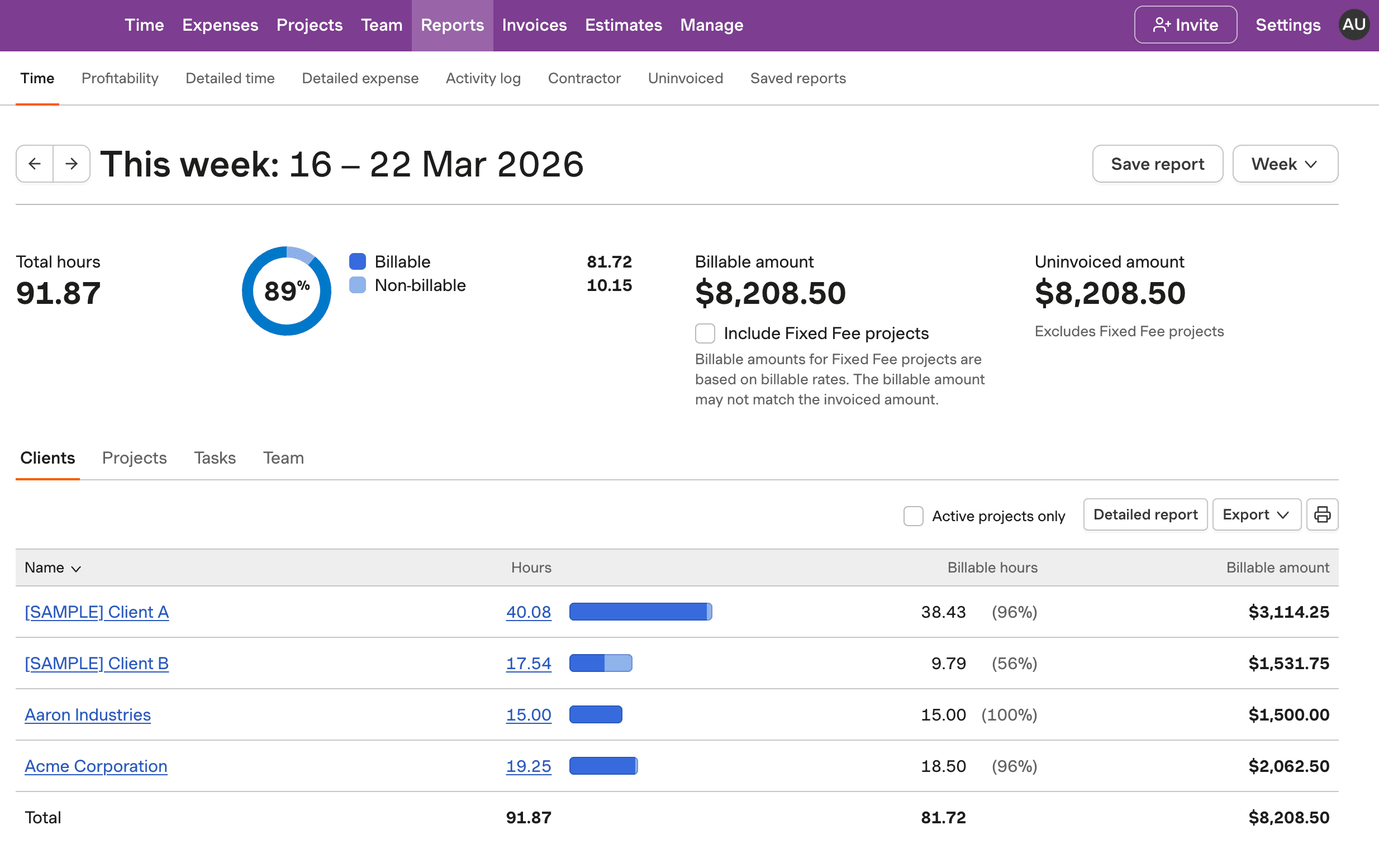
Screenshot of Harvest time tracking features for compliance in Poland

Time Tracking in Poland FAQs

  • Time tracking in Poland is regulated by the Polish Labor Code, specifically Article 149 § 1, which requires employers to maintain detailed records of working hours for each employee. These records must include start and end times, overtime, night work, and absences.

  • Employers must maintain accurate and individualized working time records, detailing every hour worked, including overtime and absences. Records can be kept on paper or electronically and must be retained for 10 years.

  • Overtime compensation in Poland includes a 50% premium for weekdays and a 100% premium for night work, Sundays, and public holidays. Alternatively, employees can receive time off, with different ratios based on whether it's employee-requested or employer-granted.

  • Yes, employee monitoring, such as CCTV or email monitoring, is permissible under certain conditions. Employers must inform employees about the monitoring, justify its necessity, and respect privacy rights according to GDPR and the Labor Code.

  • The standard workweek in Poland is 40 hours, with daily hours capped at 8. Including overtime, the average weekly working time must not exceed 48 hours over a reference period, typically up to four months.

  • Harvest helps businesses comply with Polish labor laws by providing tools for accurate time tracking and reporting. Employers can maintain detailed records that align with legal requirements, ensuring proper management and compliance.

  • Non-compliance with time tracking laws can result in fines ranging from PLN 1,000 to PLN 30,000. Accurate record-keeping and adherence to monitoring regulations are crucial to avoid these penalties.

  • While remote work presents unique challenges, employers must still track holidays, days off, and sick leave. Current regulations are evolving, and businesses should stay informed about new guidelines for remote work compliance.