
Harvest
Time Tracking
Sign up free

Timesheet in Poland

For businesses in Poland, complying with timesheet regulations is critical to avoid fines. Harvest offers flexible time tracking tools that can be adapted to meet local labor laws.

Try Harvest Free

How much revenue is your team leaving on the table?

Most agencies run at 55-60% utilization. Even a small improvement means significant revenue. See what closing the gap looks like for your team.

Number of people who track billable time
$
Blended rate across roles (junior, senior, lead)
55%
Percentage of total hours that are billable. Industry average is 55-60%.
75%
A realistic target for service businesses is 70-80%.
Monthly revenue gap $0
Revenue at current utilization $0/mo
Revenue at target utilization $0/mo
Extra billable hours needed per person/day 0h
Annual revenue opportunity $0

Start tracking team utilization

Walk through the entire flow below. Start a timer, check your reports, and create a real invoice — all in three clicks.

Go ahead — start tracking!

One click and you're timing. Try it right here: start a timer, add an entry, edit the details. This is exactly how it feels in Harvest.

  • One-click timer from browser, desktop & mobile
  • Works inside Jira, Asana, Trello, GitHub & 50+ tools
  • Duration or start/end — your call
  • Day, week & calendar views to stay on top of it all
  • Friendly reminders so no hour gets left behind
Acme Corp
Website Redesign
Homepage layout revisions
1:24:09
Content Strategy
Blog calendar planning
1:30:00
SEO Audit
Technical audit report
0:45:00
Brand Guidelines
Color system documentation
2:15:00
Logo Concepts
Initial sketches round 1
1:00:00

The Legal Imperative: Understanding Polish Timesheet Regulations

Timesheets in Poland are governed by strict regulations under Article 149 § 1 of the Polish Labour Code, which mandates the recording of working hours for all employees. This requirement is crucial for calculating remuneration and other work-related benefits accurately. Timesheets must include detailed information such as start and end times, overtime, and night shifts. Compliance is mandatory for all employees, regardless of contract type or working system.

Exemptions apply to employees in task-based working systems, management roles, and those receiving lump-sum payments for overtime. However, even in these cases, records of leaves, absences, and adherence to rest periods must be maintained. Failing to comply with these regulations can lead to fines ranging from PLN 1,000 to PLN 30,000, highlighting the importance of proper timesheet management.
Implementing Compliant Timesheet Management Systems

Employers in Poland have the option to maintain timesheets in either paper or electronic formats, with both holding equal legal validity. Electronic systems, however, offer advantages in efficiency and data security. It is crucial that these systems capture all required data points, such as working hours, breaks, and absences, while ensuring compliance with GDPR by avoiding biometric data collection.

Automated time and attendance solutions, such as RFID cards or QR codes, can streamline time tracking and reduce errors. Employees should fill in their timesheets daily, with supervisors providing monthly approvals. Adhering to mandatory daily (11 hours) and weekly (35 hours) rest periods is essential for compliance and employee well-being.

Overtime, Payroll Integration, and Avoiding Penalties

In Poland, managing overtime is critical due to its legal limitations and compensation requirements. Employees cannot exceed an average of 48 working hours per week, including overtime, within the reference period, with a general annual cap of 150 hours unless otherwise specified. Overtime is compensated with a 50% bonus on regular days and a 100% bonus for nights and holidays, or time off in lieu.

Integrating timesheet data with payroll systems ensures accurate salary calculations and compliance with labor laws. Non-compliance can attract fines up to PLN 30,000 and potential criminal charges for record falsification, emphasizing the need for meticulous record-keeping.

Navigating Inspections and Future Trends

The National Labour Inspectorate (PIP) plays a pivotal role in enforcing timesheet regulations in Poland. In 2022, PIP responded to over 50,500 complaints, resulting in fines exceeding PLN 19 million. This underscores the importance of maintaining compliant and accurate timesheet records to avoid penalties.

Employers should stay informed about evolving labor laws and trends in timesheet management. As remote work becomes more prevalent, electronic timesheet solutions that support real-time tracking and integration with payroll will be increasingly essential for compliance and operational efficiency.

Timesheet Solutions with Harvest

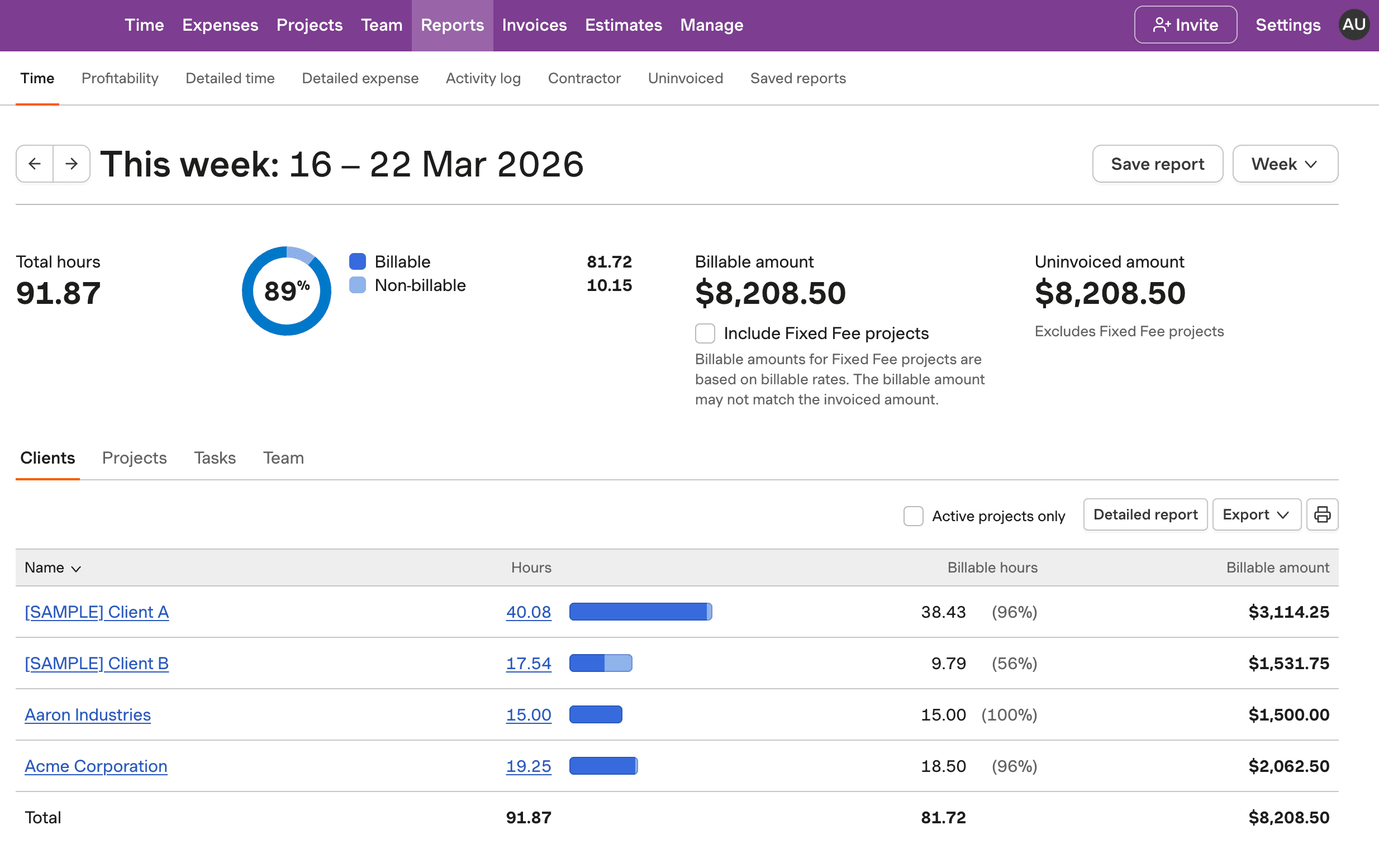
The preview showcases Harvest's flexible tracking tools, adaptable for Polish timesheet compliance and payroll integration.

Harvest time tracking dashboard showing compliance tools for Polish regulations.

Timesheet in Poland FAQs

  • In Poland, timesheets must be maintained for all employees per Article 149 § 1 of the Labour Code. They must include details like start and end times, overtime, and absences. Compliance is mandatory regardless of the employee's contract type.

  • Working hours in Poland must be recorded with exact start and end times, including overtime and night shifts. Timesheets should also note absences and any work-related exemptions. Electronic or paper formats are acceptable.

  • Non-compliance can result in fines ranging from PLN 1,000 to PLN 30,000. The National Labour Inspectorate (PIP) can also impose additional fines, and falsifying records may lead to criminal charges.

  • Timesheet data should integrate seamlessly with payroll systems to ensure accurate calculation of salaries and benefits. This integration helps maintain compliance with labor laws and reduces manual errors.

  • Overtime should not exceed an average of 48 hours per week, including regular hours, within the reference period. Annual overtime is generally capped at 150 hours, though this can be adjusted via agreements.

  • Yes, electronic timesheets are legally acceptable in Poland and offer benefits such as enhanced data security and reduced errors. They must comply with GDPR, avoiding the use of biometric data.

  • Employees are entitled to a minimum of 11 consecutive hours of rest within a 24-hour period and 35 consecutive hours each week. These rest periods ensure compliance and support employee well-being.