
Harvest
Time Tracking
Sign up free

Timesheet in Urdu

Struggling with managing work hours in Urdu-speaking regions? Harvest offers precise time tracking and reporting tools tailored to your needs.

Try Harvest Free

How many hours did you work this week?

Enter your clock-in and clock-out times for each day. The calculator handles breaks, overtime, and weekly totals automatically.

Day Clock In Clock Out Break Hours
Total hours this week 0h
Regular hours (≤40) 0h
Overtime hours 0h
Average hours/day 0h
Total break time 0h

Track time automatically with Harvest

Walk through the entire flow below. Start a timer, check your reports, and create a real invoice — all in three clicks.

Go ahead — start tracking!

One click and you're timing. Try it right here: start a timer, add an entry, edit the details. This is exactly how it feels in Harvest.

  • One-click timer from browser, desktop & mobile
  • Works inside Jira, Asana, Trello, GitHub & 50+ tools
  • Duration or start/end — your call
  • Day, week & calendar views to stay on top of it all
  • Friendly reminders so no hour gets left behind
Acme Corp
Website Redesign
Homepage layout revisions
1:24:09
Content Strategy
Blog calendar planning
1:30:00
SEO Audit
Technical audit report
0:45:00
Brand Guidelines
Color system documentation
2:15:00
Logo Concepts
Initial sketches round 1
1:00:00

Understanding Timesheets in Urdu

A timesheet in Urdu is commonly referred to as "ٹائم شیٹ," a term borrowed from English due to its prevalence in professional settings. While there isn't a singular, universally accepted Urdu equivalent, related terms like "ساعات العمل" (working hours) and "سجل الدوام" (attendance record) describe its function. Timesheets are crucial for tracking work hours, ensuring compliance with labor laws, and managing payroll. In Pakistan, where Urdu is widely spoken, understanding timesheets is vital for adhering to labor regulations.

Pakistan's labor laws stipulate standard working hours of 8-9 hours per day, with a maximum of 48 hours per week. Overtime is compensated at double the regular hourly rate, with daily overtime capped at three hours. Employers must maintain accurate records of employee hours to ensure legal compliance. This makes timesheets an indispensable tool for businesses in Urdu-speaking regions, facilitating proper management of work hours and compensation.
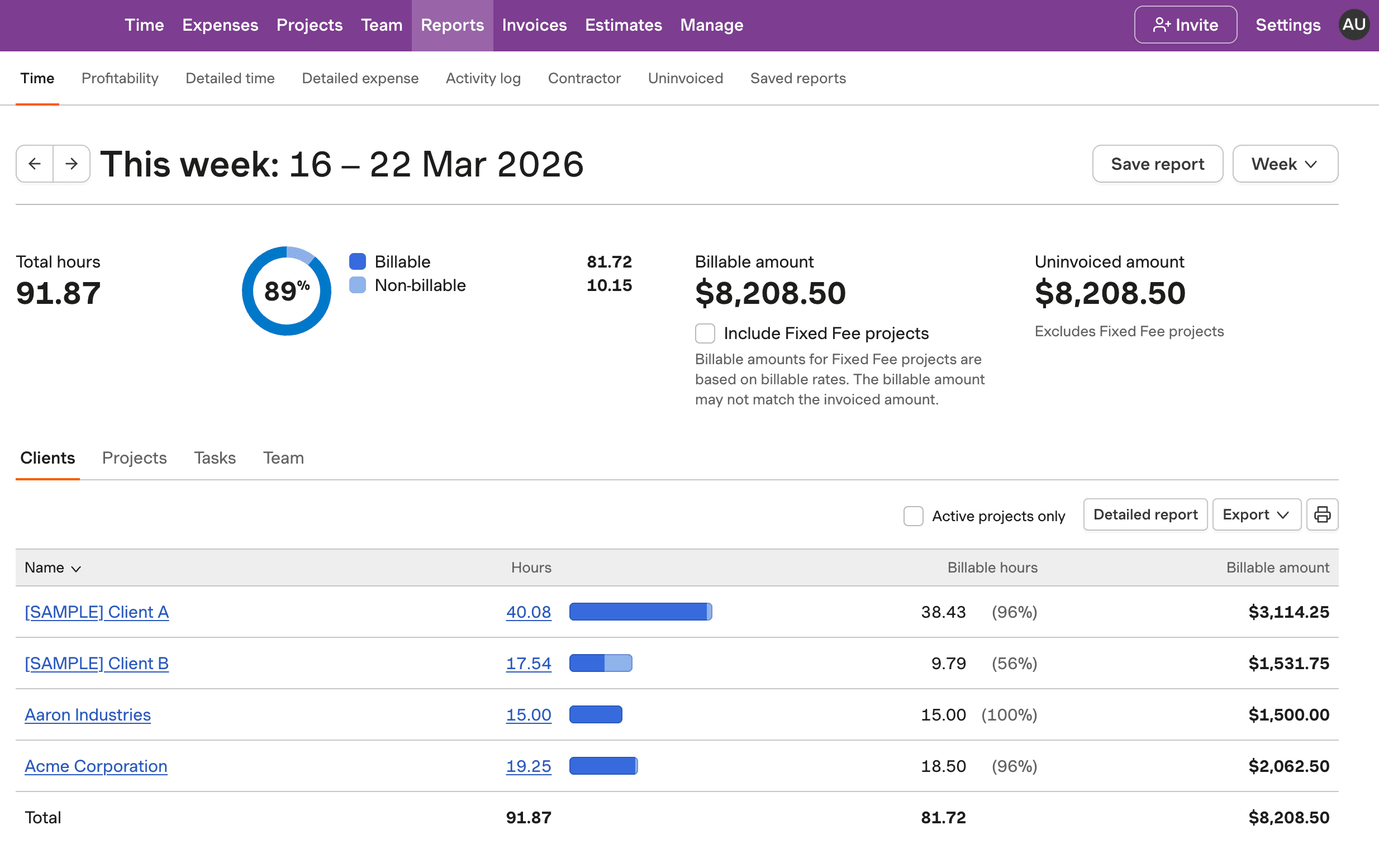
Creating and Managing Timesheets

Creating a timesheet involves structuring the sheet with essential data columns such as Employee Name, Designation, Hourly Rate, Date, Time In, Time Out, and Total Hours. In Urdu-speaking contexts, timesheets can be managed using software like Microsoft Excel, which allows for automated calculations and minimizes manual errors. For instance, by using Excel formulas, businesses can automatically calculate total hours worked and corresponding earnings.

Best practices for managing timesheets in Pakistan include implementing systems that automatically track employee clock-in/out times and breaks. This not only helps in reducing paperwork but also ensures accurate payroll integration. Employers are legally obligated to maintain precise attendance records, which are crucial for audits and inspections. By leveraging digital tools, organizations can enhance their efficiency in managing employee time and attendance.

Cultural Context and Challenges

In Urdu-speaking regions, cultural perceptions of time, often referred to as "Pakistani time," can influence professional environments. This flexible approach to punctuality can lead to challenges in maintaining accurate timesheets. However, tools like Harvest offer solutions by providing one-click timers and detailed reporting, which help mitigate inaccuracies and ensure reliable time tracking.

Harvest's robust capabilities allow businesses to track time effectively, ensuring compliance with Pakistan's labor laws. With integrations for popular software like Asana and Slack, Harvest enables seamless management of both remote and on-site employees, fostering a culture of transparency and accountability. This adaptability to regional contexts makes Harvest an ideal choice for Urdu-speaking workplaces seeking efficient time tracking solutions.

Discover Harvest for Urdu Time Tracking

See how Harvest simplifies time tracking for Urdu-speaking users, ensuring accurate work hour management and compliance.

Screenshot of Harvest time tracking tool for Urdu-speaking users

Timesheet in Urdu FAQs

  • The term "timesheet" in Urdu is often adopted as "ٹائم شیٹ." It is used to track employee working hours, attendance, and overtime in professional settings.

  • In Urdu-speaking workplaces, timesheets are used to record employee hours and ensure compliance with labor laws. This involves tracking daily clock-in and out times, breaks, and overtime calculations.

  • Harvest provides detailed time tracking and reporting tools that support accurate project management in Urdu-speaking regions. It offers one-click timers and integrates with popular software like Asana and Slack.

  • Yes, digital tools like Microsoft Excel and Harvest are used for managing timesheets in Urdu. These tools offer automated calculations, reducing manual errors in tracking work hours.

  • Overtime in Pakistan begins after 9 hours in a day or 48 hours in a week, and it is compensated at double the regular rate. Employers must maintain accurate overtime records to comply with legal requirements.

  • Businesses can ensure compliance by maintaining accurate timesheets, adhering to overtime regulations, and using tools like Harvest to automate time tracking and record-keeping.

  • Challenges include cultural perceptions of time, known as "Pakistani time," which can affect punctuality. Using tools like Harvest helps maintain accuracy and accountability in time tracking.