
Harvest
Time Tracking
Sign up free

Break Calculator for New Jersey

Harvest is a time tracking and invoicing tool that simplifies project management for teams and freelancers. With features like one-click timers and detailed reports, Harvest ensures you never lose track of billable hours.

Try Harvest Free

How many hours did you work this week?

Enter your clock-in and clock-out times for each day. The calculator handles breaks, overtime, and weekly totals automatically.

Day Clock In Clock Out Break Hours
Total hours this week 0h
Regular hours (≤40) 0h
Overtime hours 0h
Average hours/day 0h
Total break time 0h

Track time automatically with Harvest

Walk through the entire flow below. Start a timer, check your reports, and create a real invoice — all in three clicks.

Go ahead — start tracking!

One click and you're timing. Try it right here: start a timer, add an entry, edit the details. This is exactly how it feels in Harvest.

  • One-click timer from browser, desktop & mobile
  • Works inside Jira, Asana, Trello, GitHub & 50+ tools
  • Duration or start/end — your call
  • Day, week & calendar views to stay on top of it all
  • Friendly reminders so no hour gets left behind
Acme Corp
Website Redesign
Homepage layout revisions
1:24:09
Content Strategy
Blog calendar planning
1:30:00
SEO Audit
Technical audit report
0:45:00
Brand Guidelines
Color system documentation
2:15:00
Logo Concepts
Initial sketches round 1
1:00:00

Understanding New Jersey Break Laws: An Overview

New Jersey's break laws are primarily guided by the federal Fair Labor Standards Act (FLSA), particularly for adult employees, as there are no state-mandated meal or rest breaks for this group. However, employers often choose to follow federal guidelines by providing short rest breaks of 5 to 20 minutes, which must be paid as work time. In the absence of specific state laws, understanding the nuances of these federal guidelines alongside company-specific policies becomes essential for both employers and employees.

For minors, the laws are more stringent. Employees under 18 are legally entitled to a 30-minute meal break after 6 continuous hours of work. This requirement ensures that young workers have adequate rest during their shifts. Employers must also provide a 10-minute break for every 4 hours worked, underscoring the state's commitment to protecting the well-being of minor employees.
Paid vs. Unpaid Breaks: What Every NJ Employee Should Know

In New Jersey, the distinction between paid and unpaid breaks hinges on the duration and nature of the break. Short breaks, typically 5 to 20 minutes, are considered paid work time, reflecting the federal standards. On the other hand, meal breaks of 30 minutes or more can be unpaid, provided employees are completely relieved of all duties. This means that if an employee performs any work, such as monitoring emails or answering calls, during a designated meal break, that time must be compensated.

It's crucial for both employers and employees to understand these distinctions to ensure fair compensation and compliance with labor laws. Employers should communicate their break policies clearly and document any deviations from standard practice, particularly when unpaid breaks are involved. This clarity helps prevent misunderstandings and potential disputes over break times and compensation.

Special Protections: Breaks for Minors, Nursing Mothers, and Domestic Workers

New Jersey provides specific protections for minors, nursing mothers, and domestic workers, acknowledging the unique needs of these groups. Minors under 18 are entitled to a 30-minute meal break after 6 hours of continuous work, ensuring they receive adequate rest during their shifts. Additionally, they can take a 10-minute break for every 4 hours worked, reinforcing the state's commitment to their well-being.

Nursing mothers have the right to reasonable break times and a private space, other than a bathroom, to express breast milk for up to one year after childbirth. These breaks are generally unpaid unless the company provides paid breaks of similar duration to other employees. Domestic workers are entitled to a 30-minute uninterrupted meal break after more than five consecutive hours worked, reflecting the state's recognition of their demanding work conditions.

Employer Responsibilities and Best Practices for Break Compliance

Employers in New Jersey, while not legally required to provide breaks for most adult employees, can benefit from establishing clear break policies. Such policies not only help in maintaining workforce satisfaction but also ensure compliance with federal regulations when breaks are offered. It is advisable for employers to document and communicate these policies clearly, specifying conditions under which breaks are paid or unpaid.

Accurate record-keeping is another critical aspect, especially for minor employees. Employers must maintain detailed records of work hours and breaks to comply with child labor laws. Ensuring that employees are fully relieved of duties during unpaid breaks helps prevent wage disputes and fosters a transparent workplace environment. Adherence to these best practices can protect employers from potential legal challenges and promote employee trust and morale.

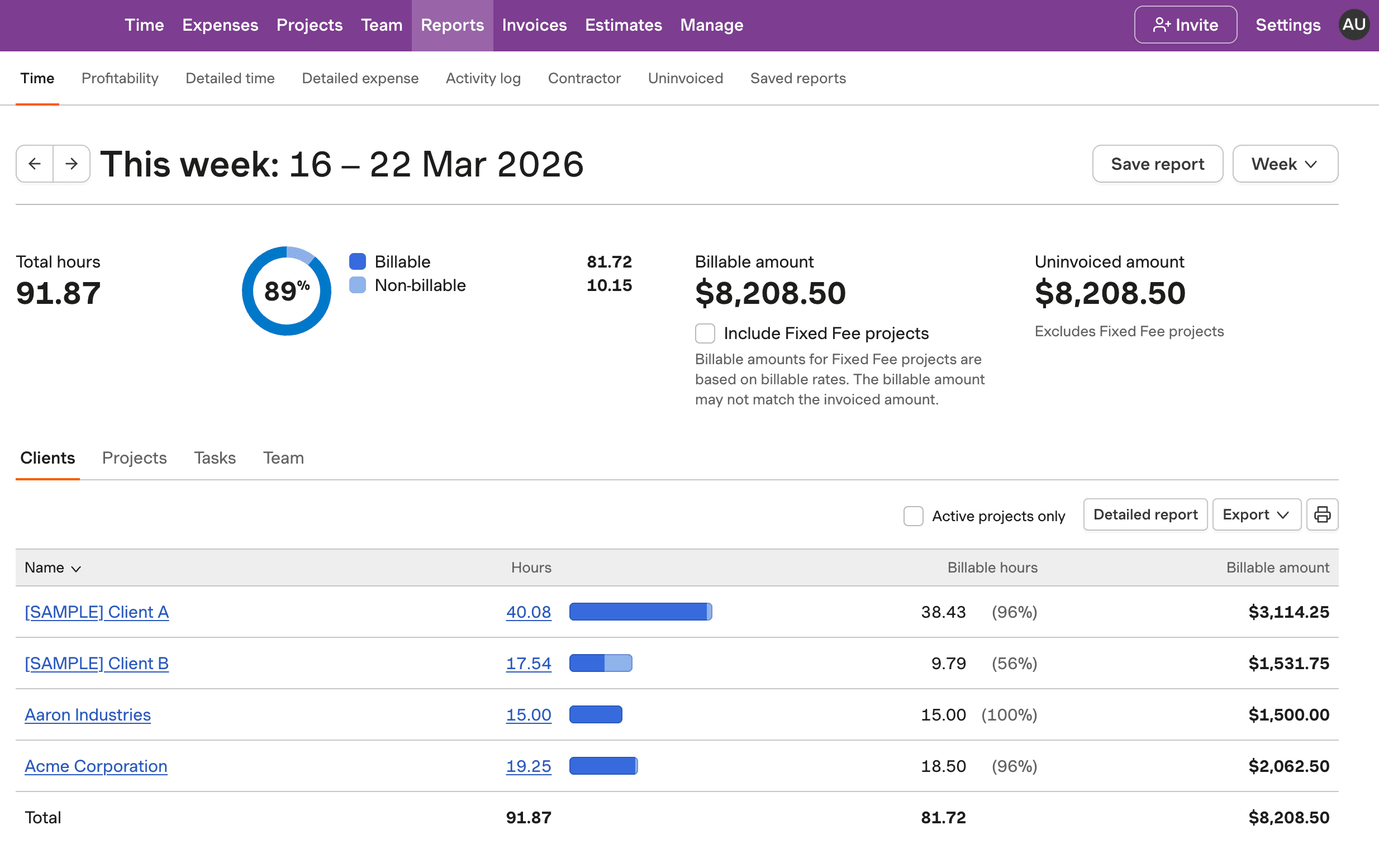
Harvest Break Calculator for NJ

This Harvest feature helps calculate break times for compliance with New Jersey state laws, ensuring accurate work hour tracking.

Screenshot of Harvest tracking work hours for compliance with New Jersey break laws.

Break Calculator for New Jersey FAQs

  • New Jersey does not require employers to provide meal or rest breaks for adult employees. However, if employers offer short rest breaks (5-20 minutes), they must be paid. Unpaid meal breaks must be 30 minutes or longer, with employees relieved of all duties.

  • Minors under 18 are entitled to a 30-minute meal break after 6 continuous hours of work, plus a 10-minute break for every 4 hours worked. These breaks are mandatory and cannot be waived by the minor.

  • Yes, employers must provide reasonable break time and a private space, other than a bathroom, for nursing mothers to express milk for up to one year after childbirth. These breaks are generally unpaid unless the employer provides similar paid breaks for other employees.

  • Employers should establish clear, written break policies and communicate them to employees. These policies should specify whether the breaks are paid or unpaid and ensure compliance with federal wage laws.

  • Harvest offers one-click start/stop timers and detailed reports to track work hours efficiently. While it doesn't calculate state-specific breaks, it ensures accurate time logging, which supports compliance with labor regulations.

  • Yes, domestic workers are entitled to a 30-minute uninterrupted meal break after more than five consecutive hours worked. This requirement ensures they have adequate rest during their work shifts.

  • Generally, no. Employers have the right to set work hours and break policies. Employees must adhere to the established schedule unless the employer allows flexibility.