
Harvest
Time Tracking
Sign up free

Break Calculator for Nebraska

Harvest is a time tracking tool that simplifies managing hours, ensuring you're paid for every minute worked, without dealing with Nebraska's complex break laws.

Try Harvest Free

How many hours did you work this week?

Enter your clock-in and clock-out times for each day. The calculator handles breaks, overtime, and weekly totals automatically.

Day Clock In Clock Out Break Hours
Total hours this week 0h
Regular hours (≤40) 0h
Overtime hours 0h
Average hours/day 0h
Total break time 0h

Track time automatically with Harvest

Walk through the entire flow below. Start a timer, check your reports, and create a real invoice — all in three clicks.

Go ahead — start tracking!

One click and you're timing. Try it right here: start a timer, add an entry, edit the details. This is exactly how it feels in Harvest.

  • One-click timer from browser, desktop & mobile
  • Works inside Jira, Asana, Trello, GitHub & 50+ tools
  • Duration or start/end — your call
  • Day, week & calendar views to stay on top of it all
  • Friendly reminders so no hour gets left behind
Acme Corp
Website Redesign
Homepage layout revisions
1:24:09
Content Strategy
Blog calendar planning
1:30:00
SEO Audit
Technical audit report
0:45:00
Brand Guidelines
Color system documentation
2:15:00
Logo Concepts
Initial sketches round 1
1:00:00

Understanding Break Laws in Nebraska

Nebraska does not mandate meal or rest breaks for most adult employees, making it crucial for workers to understand their rights and employer policies. While state law generally leaves break decisions to employers, federal law requires that short breaks (5 to 20 minutes) be paid if offered. This is governed by the Fair Labor Standards Act (FLSA), which ensures such breaks are considered compensable work time.

Specific industries, such as mechanical establishments, workshops, and assembling plants, must provide a 30-minute unpaid meal break for 8-hour shifts. During these breaks, employees must be relieved of all duties and can leave the premises. Violations of these break laws can result in Class III misdemeanors for employers, underscoring the importance of compliance.
Mandatory Meal Breaks in Certain Industries

In Nebraska, the law requires mandatory meal breaks only in specific industries, specifically mechanical establishments, workshops, and assembling plants. Employees in these sectors working an 8-hour shift must receive a 30-minute unpaid meal break. This break is designed to ensure employees are fully relieved from duties and can leave the premises if they choose.

Employers who fail to provide these breaks may face legal repercussions, such as being charged with a Class III misdemeanor. This highlights the necessity for employers in these industries to adhere strictly to state regulations to avoid penalties and maintain fair working conditions.

Federal Guidelines on Rest Breaks

Nebraska's state law does not require employers to offer short rest breaks, such as coffee or smoke breaks. However, if an employer voluntarily provides breaks of 5 to 20 minutes, the FLSA mandates these must be paid and counted as work time. This ensures that workers benefit from these short breaks without losing pay.

Unpaid meal periods, on the other hand, must typically last 30 minutes or more, during which employees are entirely free from work duties. Understanding these distinctions is crucial for both employers and employees to ensure compliance and fair treatment in the workplace.

Special Considerations for Minors and Nursing Mothers

Nebraska law imposes strict working hour limitations for minors, especially those aged 14 and 15, who cannot work more than 8 hours a day or 48 hours a week. Although no specific break rules apply to minors generally, some sources indicate that minors under 16 must receive a 30-minute meal break during an 8-hour shift.

For nursing mothers, federal law provides the right to reasonable break time to express breast milk for up to one year after childbirth. Employers are required to offer a private space that is not a bathroom for this purpose. These regulations ensure that specific employee groups receive necessary accommodations and support in the workplace.

Employer Best Practices and Employee Recourse

Employers in Nebraska should clearly communicate their break policies to employees, ensuring compliance with both state-specific and federal regulations. This not only avoids legal issues but also fosters a fair and supportive work environment.

Employees who believe their break rights are being violated have the option to report these concerns to the Nebraska Department of Labor. Understanding both state and federal guidelines, as well as industry-specific rules, is crucial in protecting employee rights and promoting employer accountability.

Streamline Break Management with Harvest

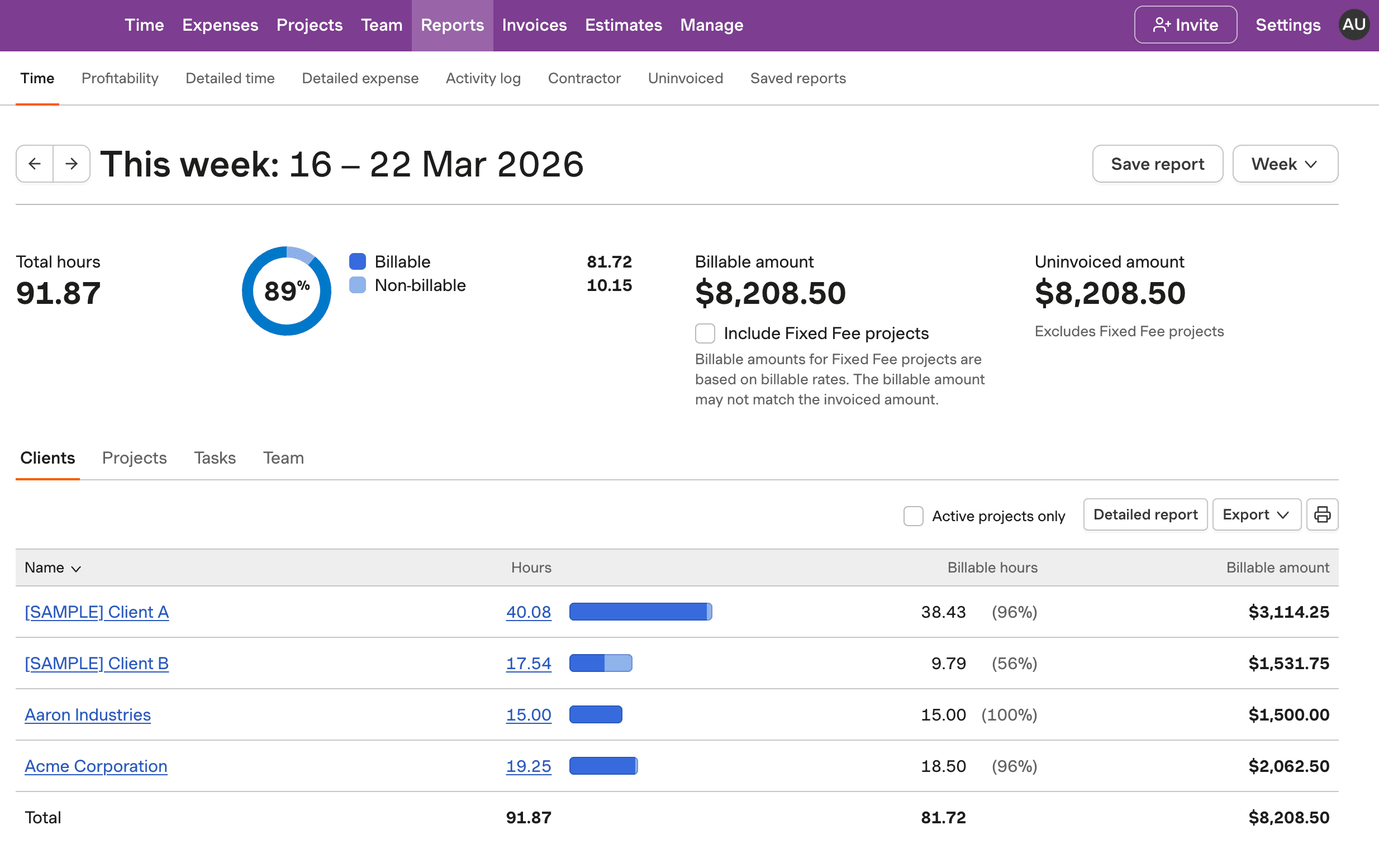
See how Harvest helps you track work hours while navigating Nebraska's break regulations. Focus on your work, not the clock.

Screenshot of Harvest's time tracking interface tailored for Nebraska's break laws.

Break Calculator for Nebraska FAQs

  • If an employer offers short rest breaks (5 to 20 minutes), they must be paid according to federal law. These breaks are counted as work time under the Fair Labor Standards Act.

  • While there are no specific state break rules for minors, those under 16 are often entitled to a 30-minute meal break during an 8-hour shift. Additionally, strict limits are placed on their working hours.

  • Federal law requires employers to provide reasonable break time for nursing mothers to express milk for up to one year after childbirth, along with a private space other than a bathroom.

  • If you believe your employer is violating break laws, you can report this to the Nebraska Department of Labor. Understanding your rights under state and federal laws is important for recourse.

  • Unpaid meal periods are only mandatory in certain industries, such as mechanical establishments, where a 30-minute break is required for 8-hour shifts. Other sectors may not have this requirement.

  • Employers should clearly communicate break policies and ensure they align with both state and federal regulations. Providing training and regular policy reviews can help maintain compliance.